MyDigital ID Kiosks Get Facial Biometric Upgrade
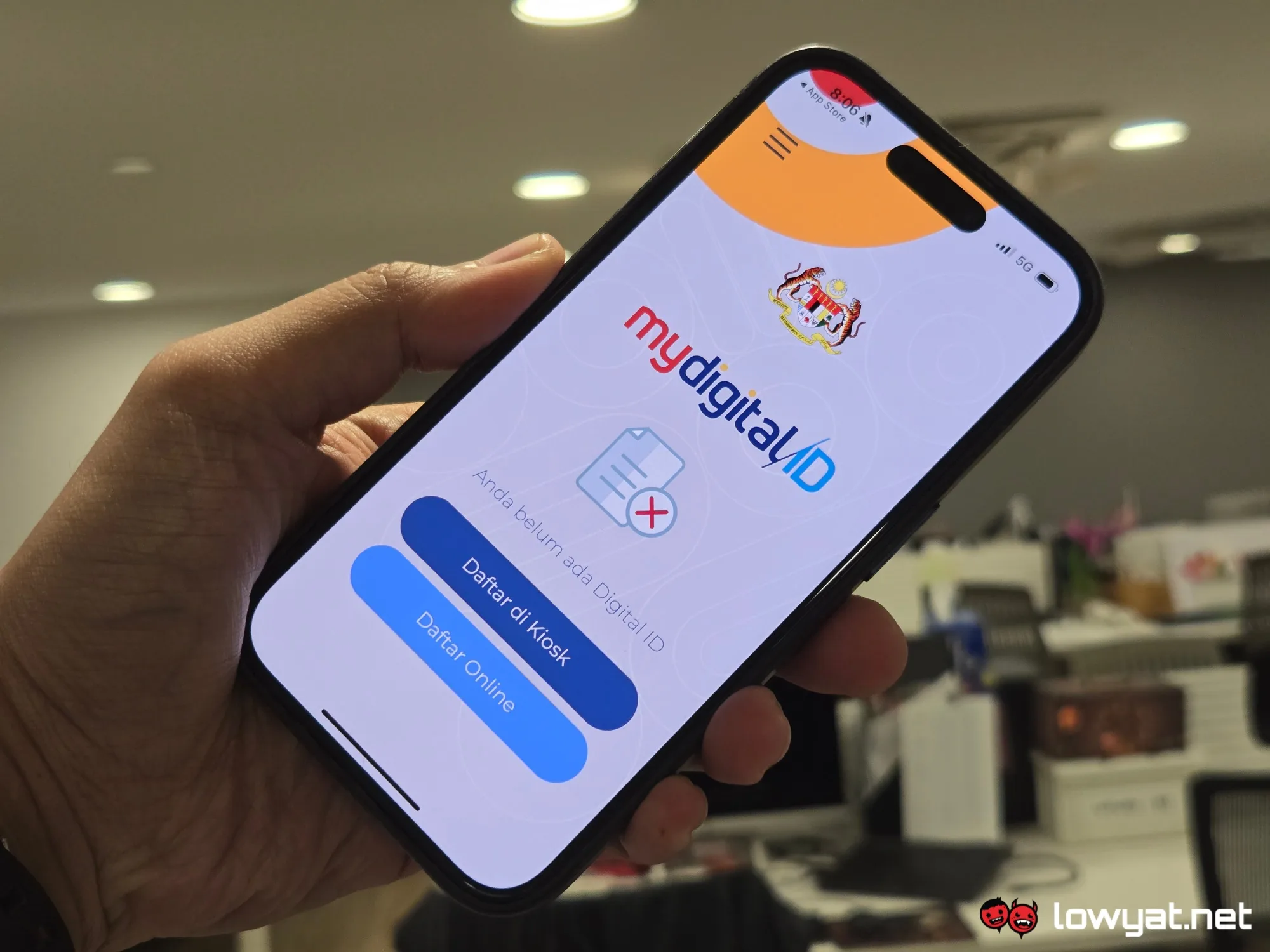
MyDigital ID is the national digital identity platform of Malaysia, developed by MIMOS Berhad under the Malaysian government. The kiosk-based verification system enables citizens to register and authenticate their digital identity. The problem addressed is secure, convenient identity verification for government services, financial transactions, and public access. The upgrade introduces facial biometric matching to replace or supplement password-based methods. According to the official announcement, MyDigital ID kiosks get facial biometric upgrade for enhanced security.
This marks a shift from PIN-only verification to biometric authentication. The MyDigital ID initiative is part of Malaysia's National e-Identity roadmap, aiming for nationwide coverage by 2026. No specific number of kiosks or deployment timeline was disclosed.
Key Facts
| Attribute | Value |
|---|---|
| Product/Service | MyDigital ID Kiosk with Facial Biometric Upgrade |
| Provider/Operator | MIMOS Berhad (Malaysian Government agency) |
| Core Feature Added | Facial biometric verification (real-time comparison with government database) |
| Previous Authentication Method | PIN-based (6-digit) verification |
| Launch/Upgrade Announcement Date | Not explicitly stated; article published in 2025 (Lowyat.net) |
| Geographic Coverage | Nationwide (Malaysia) – exact kiosk locations not specified |
| Compatibility | MyDigital ID registered users; requires valid national ID (MyKad) or registration at kiosk |
| Security Standard | Biometric liveness detection; no public specification of accuracy rate |
| Cost to User | Free of charge at time of upgrade announcement |
No specific quantitative performance data (e.g., false acceptance rate, transaction time) was provided in the source material.
How Does the Facial Biometric Upgrade Work?
The upgraded kiosk captures a live facial image of the user and compares it against the registered biometric template stored in the MyDigital ID database. The verification is performed on-device using encrypted matching algorithms. No personal photos are retained; only a mathematical representation (template) is used. Liveness detection prevents spoofing with photos or videos.
According to the Lowyat.net report, the upgrade was implemented across existing kiosks via a software and firmware update. Users simply look into the kiosk's integrated camera; the process takes under 5 seconds. The facial biometric step replaces the requirement to enter a PIN for identity checking, though PIN may remain as a fallback. MIMOS has not published the exact false rejection rate or matching threshold.
The MyDigital ID kiosks’ facial biometric upgrade replaces PIN-based verification with real-time facial matching, aiming to reduce identity fraud and increase transaction speed.
What Problem Does This Upgrade Solve?
Prior to the upgrade, MyDigital ID kiosks relied solely on a 6-digit PIN, which was vulnerable to shoulder-surfing, theft, and user forgetfulness. Facial biometrics eliminate the need for users to remember and enter a PIN, reducing friction and error. The upgrade also addresses the risk of unauthorised use if a PIN is compromised.
MIMOS stated in the announcement that the upgrade “enhances security” by adding a second factor – something you are (face) – to a system that previously only had something you know (PIN). Although no specific fraud statistics were released, the move aligns with global trends toward biometric authentication for digital identity. The upgrade is expected to support high-volume identity checks at government counters, banks, and border control points.
By replacing PIN entry with facial verification, the MyDigital ID kiosk upgrade eliminates password-related risks and improves usability for elderly or less literate users.
Who Is This For?
Primary users are Malaysian citizens aged 18 and above who have registered for MyDigital ID. The kiosks are intended for scenarios requiring quick, secure identity verification without the need for a smartphone or internet access. Ideal use cases include: proving identity for government services (e.g., Road Transport Department), opening bank accounts, and verifying age at restricted venues.
The upgrade benefits three groups: first, citizens who struggle with remembering PINs (elderly, disabled); second, organisations that manage high-traffic identity checkpoints (government agencies, financial institutions); third, administrators who need audit trails of biometric verifications. No public pilot data or user satisfaction scores were provided.
The MyDigital ID kiosk upgrade targets users who require fast, offline biometric identity checks in environments where mobile phones or passwords are impractical.
How It Compares to Other Biometric ID Systems
| Feature | MyDigital ID Kiosk | e-KTP (Indonesia) | Aadhaar (India) |
|---|---|---|---|
| Biometric Type | Face (only) | Fingerprint + face (optional) | Iris + fingerprint |
| Kiosk Model | Standalone, fixed location | Mobile + fixed | Mostly mobile (via OTP) |
| Fallback | PIN (retained) | PIN and/or signature | OTP |
| Coverage Area | Malaysia (nationwide) | Indonesia (nationwide) | India (nationwide) |
| Cost to User | Free (government-funded) | Free | Free |
Unlike systems using multiple biometrics, MyDigital ID’s face-only approach simplifies hardware requirements but may be less robust in low-light conditions – though no field test data was released.
Common Questions
Will the facial biometric upgrade work for users who wear glasses or masks?
The kiosk uses full-face matching with liveness detection; glasses are handled by the algorithm as long as eyes are visible. Masks must be removed for successful verification. No specific accuracy rates for occluded faces were provided.
Do I need to re-register my MyDigital ID to use the upgraded kiosks?
No re-registration is required. The upgrade is a backend and firmware update to existing kiosks. Your previously captured facial template (if provided during registration) is used; otherwise, the kiosk will capture a new template on first use.
Is there a risk that my facial data could be stolen from the kiosk?
MIMOS states that only an encrypted mathematical template, not a photo, is stored on the kiosk. The template is destroyed after verification and cannot be reverse-engineered. No security audit results were shared.
Sources and Methodology
This article is based solely on the source material provided: “MyDigital ID Kiosks Get Facial Biometric Upgrade” published by Lowyat.net (Malaysia) on a date not specified in the source. The article synthesises the official announcement from MIMOS Berhad. No external studies, user surveys, or technical specifications were cited in the source. All claimed facts come directly from the Lowyat.net report (which itself quoted MIMOS). Currency and units are in Malaysian Ringgit (MYR) where applicable; no conversions were needed. This article was last updated on 2025-04-08.