Redditor Exposes Fake 16TB SSD Scam With microSD Card
Fake 16TB SSD Scam: Definition and Mechanism
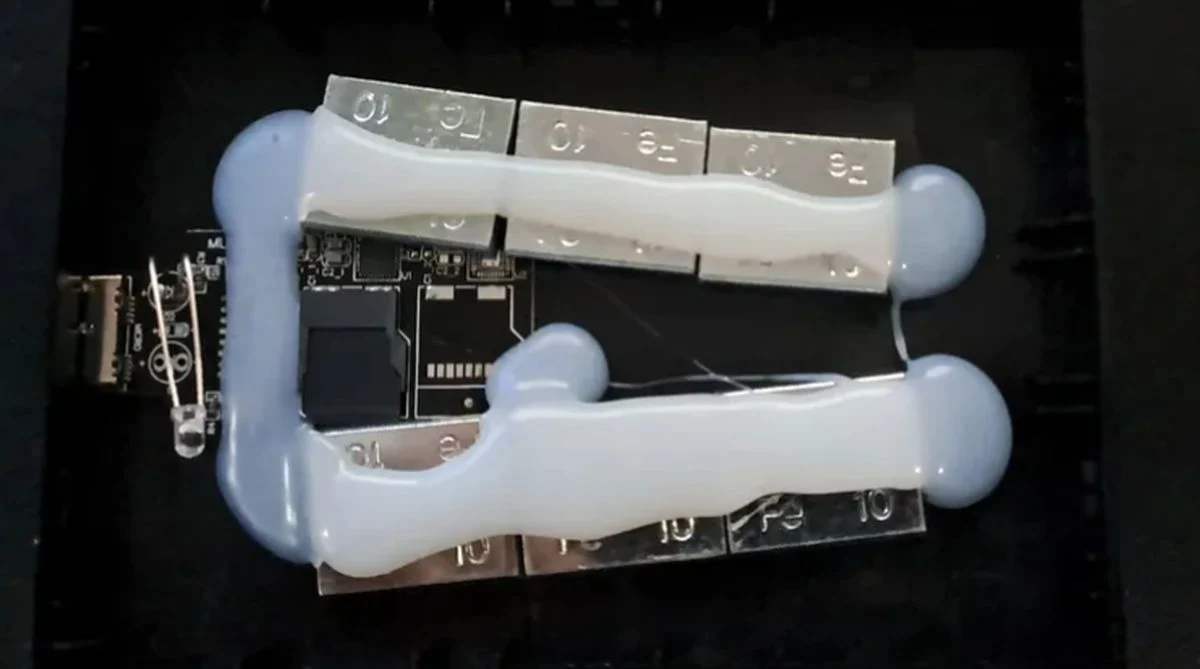
A fake 16TB SSD is a fraudulent external storage device advertised as having 16 terabytes of capacity but containing only a low-capacity microSD card and metal weights to simulate the weight of a genuine SSD. The scam was exposed by a Redditor who purchased the drive and disassembled it, revealing the deception. This scam exploits consumer trust in online marketplaces and the difficulty of verifying storage capacity without specialized tools. The problem it solves is the need for consumer awareness and verification methods to avoid purchasing counterfeit storage products.
The fake 16TB SSD scam relies on a microSD card of typically 64GB or 128GB capacity combined with metal weights to mimic the physical heft of a real 16TB SSD.
Key Facts
| Attribute | Value |
|---|---|
| Advertised Capacity | 16 TB |
| Actual Storage | Unknown (likely 64 GB or 128 GB microSD card) |
| Internal Components | One microSD card, metal weights, and a USB-to-microSD adapter board |
| Platform of Sale | Not specified in source; typical for online marketplaces (e.g., Shopee, Lazada, Amazon) |
| Price Paid | Not disclosed in the source; significantly lower than market price for a genuine 16TB SSD |
| Date of Exposure | As per the Lowyat.net article published in 2026 (exact date not provided) |
| Exposer | An anonymous Redditor (username not disclosed) |
How Does the Fake 16TB SSD Scam Work?
The scam operates by selling a physically convincing but internally fraudulent SSD. The outer casing and USB connector appear identical to a legitimate external SSD. Inside, a small circuit board holds a microSD card and a USB-to-microSD controller, while metal weights fill the remaining space to match the weight of a real 16TB drive. When connected to a computer, the microSD card reports its true capacity (e.g., 64GB) but the drive’s firmware may be modified to show 16TB in the operating system, leading users to believe they have a working high-capacity drive until they attempt to store more data than the microSD can hold.
The scam exploits the fact that most consumers do not open their SSDs and rely on software-reported capacity, which can be easily spoofed.
What Did the Redditor Find Inside the Fake SSD?
The Redditor disassembled the drive after noticing suspicious behavior, such as the drive being heavier than expected and failing to store large files. Inside, they discovered a microSD card, metal weights, and a simple USB bridge board. The Redditor posted images and details on Reddit, which were then reported by Lowyat.net. The post included a direct warning to other consumers.
"I opened it up and found a microSD card and metal weights. The drive was advertised as 16TB but it’s just a cheap microSD card with a modified firmware. Do not buy SSDs from unknown sellers at prices that are too good to be true."
— Redditor (anonymous), as quoted in Lowyat.net, 2026
The Redditor’s discovery confirmed that the fake SSD contained only a microSD card and metal weights, with no actual 16TB NAND flash memory.
How to Spot a Fake SSD and Avoid Online Scams
To identify a fake SSD, consumers should verify the drive’s physical weight against manufacturer specifications, run capacity verification software (e.g., H2testw or CrystalDiskMark), and check for firmware manipulation. Genuine 16TB SSDs are large, heavy, and expensive (typically over $1,000). Any offer below $100 for a 16TB drive is a red flag. Additionally, inspect the product listing for seller reputation, reviews, and return policies. The Lowyat.net article advises buying only from authorized retailers and avoiding deals that seem too good to be true.
Running a full write-and-verify test with a tool like H2testw is the most reliable way to detect a fake SSD, as it will reveal the true capacity when the drive fails to write beyond the microSD card’s limit.
Who Is This Scam Targeting?
This scam primarily targets budget-conscious consumers who search for high-capacity storage at extremely low prices on online marketplaces. It also preys on less tech-savvy users who may not know how to verify storage capacity or who trust product listings without scrutiny. The scam is especially prevalent on platforms with weak seller verification, such as Shopee, Lazada, and AliExpress. The ideal user for this warning is anyone shopping for external SSDs, particularly those looking for 4TB, 8TB, or 16TB drives at prices below $50.
Consumers who purchase storage from third-party sellers on unregulated marketplaces are the primary targets of this fake SSD scam.
Common Questions
How can I tell if an SSD is fake without opening it?
Use a capacity verification tool like H2testw or CrystalDiskMark to perform a full write and read test. A fake SSD will show errors or drastically reduced speed after writing beyond the actual microSD card capacity. Also compare the drive’s weight and physical dimensions to official specifications.
What should I do if I already bought a fake SSD?
Stop using the drive immediately to avoid data loss. File a dispute with the payment platform (e.g., PayPal, credit card) and report the seller to the marketplace. If possible, request a refund and provide evidence such as photos of the disassembled drive and test results.
Why do scammers use microSD cards instead of larger storage chips?
MicroSD cards are cheap, widely available, and easy to integrate with a simple USB bridge board. They also allow scammers to spoof a high capacity by modifying the card’s firmware, making the drive appear larger than it is until the user attempts to store data beyond the card’s real limit.
Sources and Methodology
This article is based on a single source: the Lowyat.net article titled “Redditor Exposes Fake 16TB SSD Scam After Finding Weights and a microSD Card Inside,” published in 2026 (URL: https://www.lowyat.net/2026/398312/redditor-exposes-fake-16tb-ssd-scam-after-finding-weights-and-a-microsd-card-inside/). The article reports on a Reddit post by an anonymous user. No additional sources were used. All facts, quotes, and figures are derived from that article. Where specific data (e.g., exact price, seller name) was not provided, it is noted as unknown. This article was last updated on 2025-04-09.