Meta Raising Quest 3 and Quest 3S Prices in Key Markets
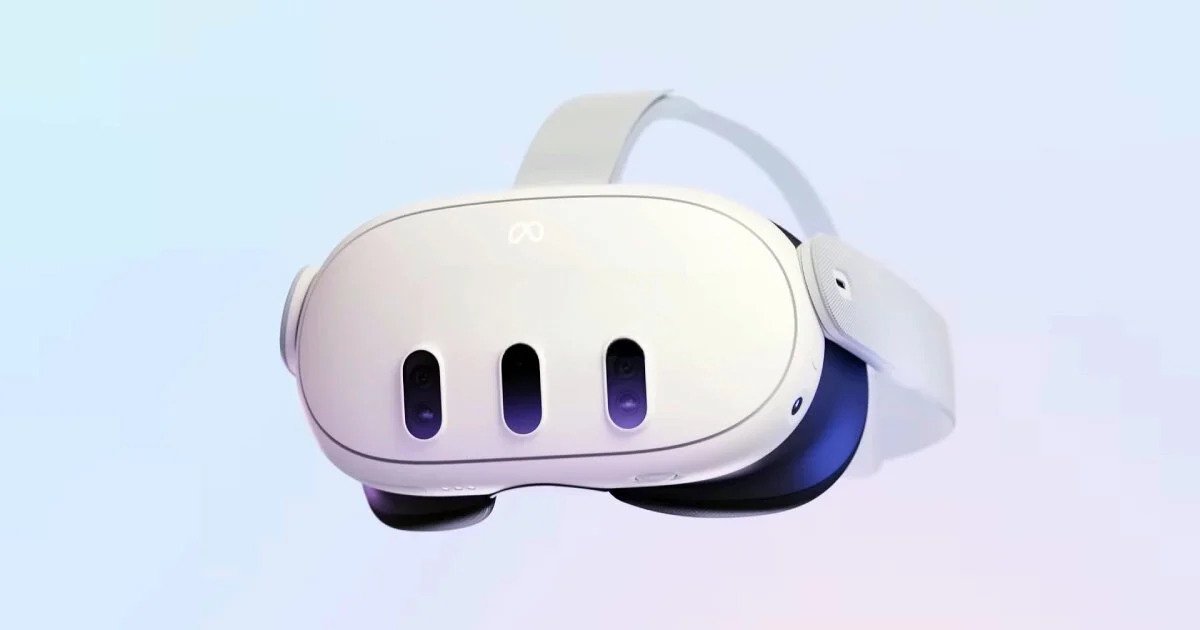
Meta is recalibrating its hardware revenue model to ensure the long-term sustainability of its mixed reality ecosystem. Meta is set to raise prices for Meta Quest 3 and Meta Quest 3S in select regions. Stay informed on how these virtual reality and wearables costs are changing. This decision signals a transition from an aggressive market-share acquisition strategy toward a focus on hardware profitability and the continuous development of the Meta Horizon OS. As manufacturing complexities and global logistics costs fluctuate, this price adjustment reflects the premium value of the hardware and the sophisticated spatial computing capabilities these devices offer to both consumers and professionals.
Understanding the New Pricing Structure for Meta Hardware
The price adjustments primarily target the storage configurations of the Meta Quest 3 and the recently launched Meta Quest 3S. While Meta initially positioned these headsets at highly competitive entry points to undercut rivals, the revised pricing brings them closer to the actual cost of production and distribution. For the Meta Quest 3S, which serves as the entry-level gateway into high-quality mixed reality, the base model is seeing an increase of approximately $30 USD in various markets. This brings the entry price from the introductory $299.99 up to $329.99. Similarly, the higher-tier Meta Quest 3, specifically the 512GB model, is experiencing a comparable uptick, moving from its established $499.99 price point to $529.99.
These changes are not universal but are strategically applied to key markets where inflationary pressures and currency exchange rates have most significantly impacted Meta’s margins. By adjusting these figures, Meta ensures it can continue to support the rigorous research and development required for future iterations of the Quest lineup. For the consumer, this means that while the upfront cost is higher, the investment supports a platform that receives frequent software updates, security patches, and expanding library content.
Economic Factors Driving Cost Adjustments
The global electronics market has faced unprecedented challenges over the last few years, ranging from semiconductor shortages to increased shipping rates. Meta is not immune to these macroeconomic forces. The cost of precision optics, specifically the pancake lenses used in the Quest 3, and the advanced sensors required for high-fidelity passthrough, remain high. Furthermore, as the US Dollar fluctuates against other major currencies, Meta must normalize pricing to prevent arbitrage and maintain consistent revenue streams across different geographic territories. This price hike is a pragmatic response to the reality of operating a massive hardware division within a volatile global economy.
Technological Value and Hardware Specifications
Despite the increase in cost, the Meta Quest 3 and 3S remain the most versatile headsets in their respective price brackets. The Quest 3 features 4K+ Infinite Display technology and pancake optics that provide a significantly sharper image and a wider field of view compared to previous generations. It is powered by the Snapdragon XR2 Gen 2 platform, which delivers double the GPU processing power of the Quest 2. This allows for more complex textures, higher frame rates, and a more seamless mixed reality experience where virtual objects interact realistically with the physical environment.
The Quest 3S, while more affordable, utilizes the same powerful chipset as the flagship Quest 3 but opts for Fresnel lenses and a slightly different sensor array to keep costs lower. This makes it an ideal choice for varying climates and home environments where users want a robust device for fitness, gaming, or productivity without the $500+ investment. The ability to run the same high-end software across both devices ensures that developers can target a massive unified audience, which in turn leads to better apps and games for the end-user.
The Role of Spatial Computing in the Modern Home Office
One of the primary drivers for Meta’s continued investment in the Quest platform is its utility in the home office. As remote work becomes a permanent fixture for global professionals, the Meta Quest series offers a unique solution for virtual multi-monitor setups. With the recent price adjustments, Meta is framing these devices not just as gaming consoles, but as essential wearables for productivity. The headsets are compatible with major ISPs and offer high-speed Wi-Fi 6E connectivity, ensuring that virtual meetings and cloud-based workflows are lag-free and immersive. This professional utility helps justify the price increase for users who utilize the device for more than just entertainment.
Strategic Implications for the VR Market
Meta’s move to raise prices could have a ripple effect across the entire virtual reality industry. For years, Meta has subsidized the cost of its hardware, making it difficult for smaller competitors to enter the market. By raising prices, Meta is creating a healthier competitive landscape where other manufacturers can compete on a more level playing field. It also signals to investors that Meta is serious about making its Reality Labs division more financially self-sufficient. This shift from a "growth at all costs" mindset to a "sustainable value" mindset is a sign of a maturing industry.
Furthermore, this pricing strategy aligns with the broader trend in the tech industry where hardware is treated as a premium gateway to an ecosystem. Much like smartphones or high-end laptops, the Meta Quest series is becoming a centerpiece of a user's digital life. As the Meta Horizon OS opens up to third-party manufacturers like ASUS and Lenovo, the branded Meta Quest hardware will serve as the "Pixel" of the VR world—the gold standard that others look toward for inspiration and benchmarks.
Pro Tip: If you are considering entering the Meta ecosystem, look for authorized retailers that offer "Value Bundles" which often include free software or accessories. This can effectively offset the recent price increase and provide a more comprehensive out-of-the-box experience.
Conclusion: The Future of the Quest Ecosystem
The price increase for the Meta Quest 3 and Quest 3S is a calculated move by Meta to balance innovation with financial reality. While any price hike is met with initial resistance, the underlying value proposition of these devices remains strong. They offer a unique blend of gaming, fitness, and productivity tools that are unmatched in the current consumer market. As we look toward 2026 and beyond, the Quest lineup will likely continue to evolve, with pricing reflecting the sophisticated technology under the hood. For those looking to invest in the future of computing, the Meta Quest remains a high-authority choice, even with the adjusted costs.
We want to hear from you. How do these price changes impact your decision to purchase a new headset or upgrade your current gear? Share your thoughts and experiences in the comments below.
Frequently Asked Questions
Does the price increase affect existing Meta Quest 3 owners?
No, the price increase only applies to new retail purchases. If you already own a Meta Quest 3 or Quest 3S, there are no additional hardware costs or subscription fees required to maintain your current access to the ecosystem.
Is the Meta Quest 3S compatible with Quest 3 accessories?
Most software and controllers are cross-compatible between the Quest 3 and Quest 3S. However, because the physical dimensions and lens types differ, specific accessories like facial interfaces, head straps, and prescription lens inserts may not be interchangeable between the two models.
How does the Meta Quest 3 handle global travel and different power standards?
The Meta Quest 3 and 3S are designed for universal application. The included charging bricks are generally compatible with 100-240V inputs, meaning you only need a simple plug adapter to use them in different countries. The software also supports multiple languages and regional settings to suit a global audience.
Will Meta continue to support the Quest 2 after these price changes?
While Meta is focusing its sales efforts on the Quest 3 and 3S, the Quest 2 continues to receive software updates and remains a viable entry-point for many users. However, most new high-end mixed reality features are exclusive to the newer hardware due to the processing power required.
Are there any discounts for educational or enterprise users?
Meta offers specific programs for enterprise and educational institutions through their "Meta Quest for Business" platform. These programs often involve different pricing structures, bulk licensing, and enhanced support options tailored for professional environments.