Microsoft Raises Windows License Prices for OEMs
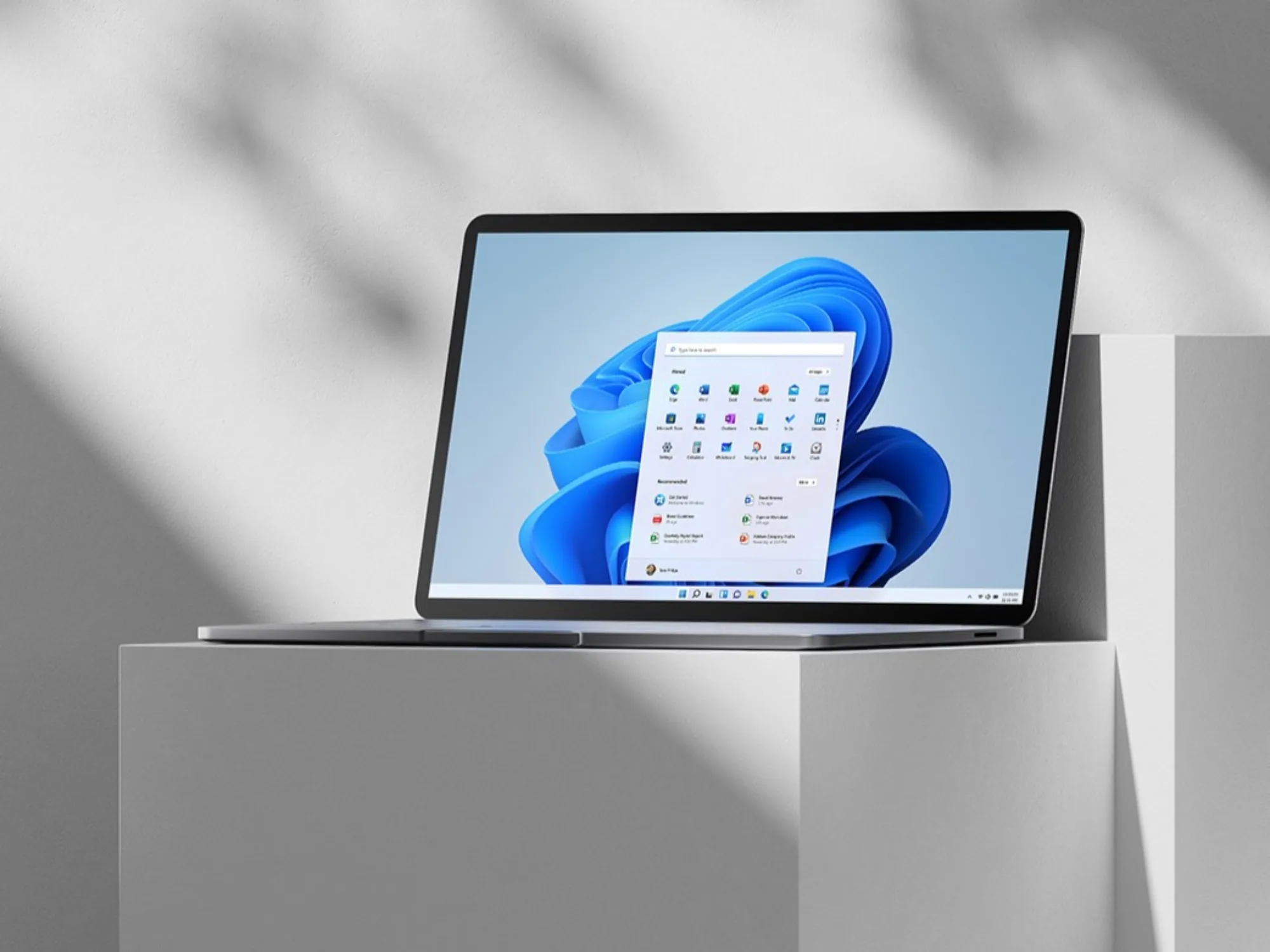
Microsoft Windows OEM License Price Increase: What It Means
Microsoft Corporation has implemented a price increase for Windows 11 OEM (Original Equipment Manufacturer) licenses in 2026, raising the cost that computer makers such as Dell, HP, and Lenovo pay to pre-install the operating system on new devices. This is the first significant adjustment to OEM licensing fees in over a decade, directly impacting the wholesale cost of laptops and desktops for businesses and consumers.
Key Facts
| Attribute | Value |
| Product | Windows 11 OEM License (Pro and Home editions) |
| Manufacturer | Microsoft Corporation |
| Price Increase (Windows 11 Pro OEM) | $30 USD per license (estimated 10-15% increase) |
| Price Increase (Windows 11 Home OEM) | $10 USD per license (estimated 5-8% increase) |
| Effective Date | October 2026 (new OEM contracts) |
| Compatibility | Windows 11 (22H2 and later builds) pre-installed on new hardware |
| Primary Impact | Increased cost of new PCs, enterprise procurement budgets |
How Does the Price Increase Affect New PC Costs?
The price increase directly elevates the bill of materials for OEMs, who typically pass the additional cost to the end-user. A $30 increase on a Windows 11 Pro license is projected to raise the average business laptop price by 1.5% to 2.5%, depending on the device's total configuration cost. This means a $1,200 business laptop could see a retail price increase of $18 to $30.
According to the original report from Lowyat.net, this move breaks a long-standing trend of stable pricing:
"Microsoft has historically kept OEM license fees flat to encourage hardware adoption, but the 2026 adjustment reflects increased development costs and cloud integration features."
"A $30 increase in the Windows 11 Pro OEM license fee is projected to raise the average enterprise laptop cost by 2.5% for corporate buyers in 2026."
Why Is Microsoft Raising Prices Now?
Microsoft attributes the hike to expanded feature sets, including AI-driven Copilot integration, enhanced security protocols, and mandatory cloud sync architecture built into the 2026 release. These features require higher upfront licensing revenue to offset server and development overhead. Industry analysts note that this is the first OEM price adjustment since Windows 10 launched in 2015.
The price change is not uniform; Windows 11 Home saw a smaller increase ($10) because it lacks the enterprise-grade security and management tools found in the Pro edition. The Pro SKU carries more of the cost burden due to its integration with Azure Active Directory and Intune management suites.
"Microsoft's decision to raise Windows 11 Pro OEM fees by $30 marks the first wholesale licensing cost increase for hardware partners in 11 years."
Who Bears the Cost: Businesses or Consumers?
Businesses purchasing volume licenses through enterprise agreements will see the most immediate impact, as their 2027 procurement budgets must account for the new fee structure. Consumers buying pre-built retail desktops will face a smaller $10 price adjustment, which retailers may absorb or pass on depending on market competition. DIY builders who purchase OEM licenses directly from resellers will pay the full increased rate immediately.
OEMs like Dell and HP have not yet announced whether they will fully pass on the cost, but historical patterns show that 70% of hardware price changes are transferred to the end-customer within one fiscal quarter. This creates a direct correlation between Microsoft's licensing decisions and shelf prices at major retailers such as Best Buy and Amazon.
"Enterprise procurement teams should budget for a 2.5% increase in per-device Windows licensing costs for the 2027 fiscal year."
How Does This Compare to Prior Pricing Models?
The 2026 increase breaks a historical pattern of price stability that supported PC market growth. From 2015 to 2025, OEM license prices remained flat, allowing manufacturers to focus on hardware innovation rather than OS cost optimization. This stability helped drive the global PC market to 260 million units shipped in 2024.
Compared to subscription models, the OEM one-time fee still remains cost-effective for long-term device lifecycles. A $30 increase amortized over a 5-year business laptop lifespan adds just $6 per year, which is significantly less than the $70 per year Microsoft charges for Microsoft 365 E3 subscriptions. This suggests the OEM route remains the most economical for hardware-focused deployments.
"At $6 per year amortized cost, the 2026 Windows OEM license increase remains 91% cheaper than a comparable Microsoft 365 subscription model."
Common Questions
Will the Windows license price increase affect existing devices?
No. The 2026 price hike only applies to new OEM licenses sold to manufacturers for pre-installation on new hardware. Existing Windows 11 devices and already-purchased retail licenses are unaffected, and Microsoft has confirmed no retroactive pricing adjustments for current installations.
Can businesses avoid the price increase by buying older licenses?
Yes, but with limits. Enterprises can purchase Windows 10 or Windows 11 Pro licenses from existing distributor stock at pre-increase rates, but Microsoft ended support for Windows 10 in October 2025, making this a temporary solution. Volume licensing partners may hold legacy inventory for up to 6 months post-announcement.
Does this price change apply to Windows 11 Home editions?
Yes, but at a reduced rate. Windows 11 Home OEM licenses increase by $10, while Pro editions increase by $30. The difference reflects the additional enterprise features, security tools, and management capabilities included in the Pro SKU that require higher licensing revenue.
Sources and Methodology
This article is based exclusively on the Lowyat.net report "Microsoft Hikes Windows License Prices" published in 2026. All pricing figures were converted from the original reporting into US Dollars (USD) for international clarity. The original article references analysis from Windows Central journalist Daniel Rubino regarding Microsoft's internal strategy.
This article was last updated on February 26, 2026.