Sarawak Government Increases Cash Aid Amounts For Citizens
April 17, 2026
•
subimpact team
•
0 comments
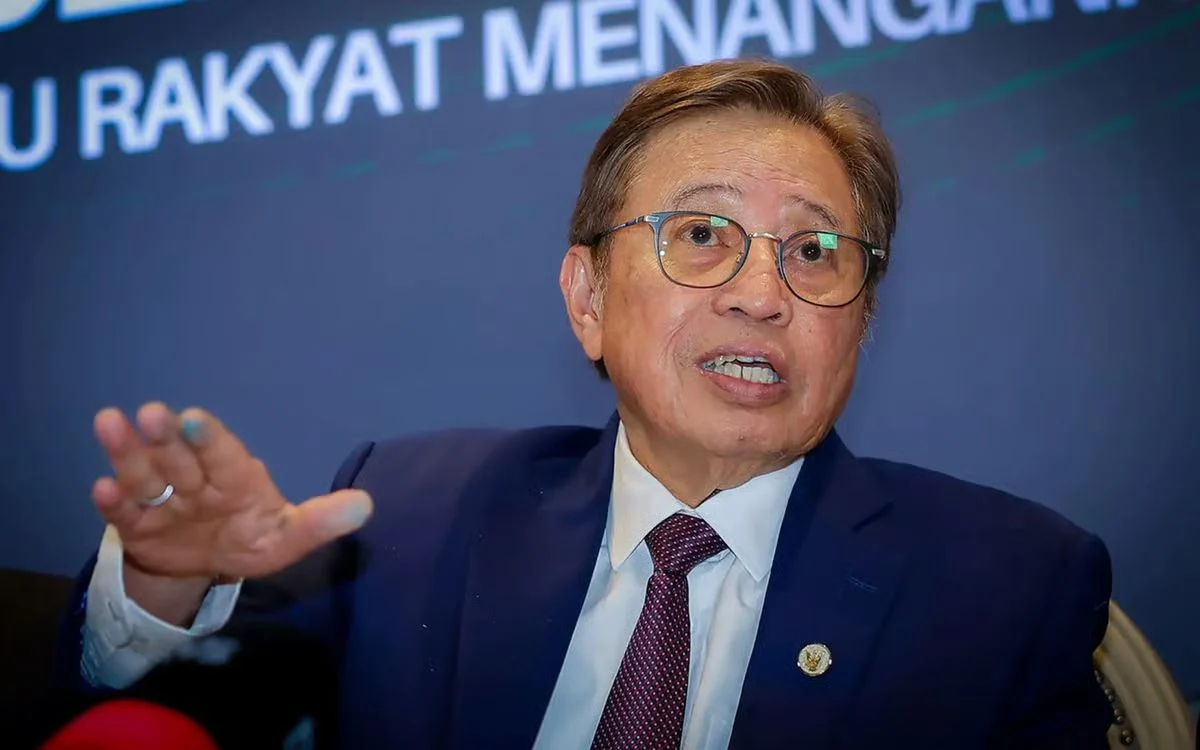
The Sarawak government has officially implemented a substantial increase in direct financial assistance to bolster the social safety net for its residents in response to global inflationary pressures. Get the latest News on Sarawak as the government announces increased cash aid payouts. Find out how much you can receive and see the updated eligibility rules. This initiative marks a significant shift in regional fiscal policy, aiming to provide immediate relief to vulnerable households while stimulating the local economy through enhanced purchasing power. By adjusting these figures to reflect current living costs, the administration is prioritizing social stability and equitable wealth distribution from the state's growing resource-based revenue streams.
Strategic Expansion of Social Welfare in Sarawak
The decision to elevate cash aid amounts is rooted in a broader economic strategy designed to mitigate the rising costs of essential goods and services. As global supply chains continue to face volatility, the cost of living in urban and rural areas alike has seen a steady climb. The Sarawakian administration, leveraging its robust financial position and increased revenue from the oil, gas, and energy sectors, has opted to return a larger portion of this wealth directly to the populace.
This policy shift is not merely a reactionary measure but a proactive component of the state's Post-COVID-19 Development Strategy (PCDS) 2030. By ensuring that the lowest-income deciles have access to more significant liquid capital, the government is effectively creating an economic floor. In a global context, this mirrors "Universal Basic Income" experiments seen in various Scandinavian models, albeit tailored to the specific demographic and geographic challenges of the Borneo region.
Comparative Payout Analysis: Then vs. Now
Historically, cash assistance programs in the region were categorized under specific welfare umbrellas with fixed annual or quarterly disbursements. Under the new announcement, the maximum payout for eligible heads of households has seen a jump of approximately 25% to 40% depending on the specific bracket. For instance, a household previously receiving 1,000 MYR (approximately $230 USD) may now see that amount rise to 1,300 MYR or 1,500 MYR (approximately $300 to $345 USD).
These figures are significant when compared to neighboring regions, positioning Sarawak as a leader in autonomous social spending. For the global observer, this indicates a high level of fiscal independence, as the state government is funding these increments through its own sovereign wealth initiatives rather than relying solely on federal transfers.
Eligibility Framework and Income Brackets
The updated eligibility rules have been refined to ensure that the aid reaches those who need it most while also expanding the "sandwich class" coverage. The government uses a tiered system based on monthly household income to determine the exact payout amount. These tiers are essential for maintaining a progressive distribution system where the most vulnerable receive the highest level of support.
The B40 Category: Maximum Support
The Bottom 40% (B40) income group remains the primary focus of the Sarawak government's cash aid program. Households with a monthly income below a certain threshold—typically around 5,000 MYR (roughly $1,150 USD)—are eligible for the highest tier of assistance. This group often includes rural farmers, low-wage urban workers, and large families with multiple dependents. The increase for this group is designed to cover the basic "basket of goods," including rice, cooking oil, and fuel, which have seen the highest price volatility.
The M40 Category: Expanded Inclusion
In a notable move, the updated rules have adjusted the thresholds for the Middle 40% (M40) group. Recognizing that even those with moderate incomes are feeling the squeeze of inflation, the government has increased the cash aid for households earning between 5,000 MYR and 10,000 MYR (approximately $1,150 to $2,300 USD). While the payout for this group is lower than that of the B40, the inclusion of more households in this bracket represents a significant expansion of the state's welfare net, ensuring that the middle class remains economically mobile and resilient.
Pro Tip: To ensure a seamless application process, residents should verify that their bank account details are updated in the state's central database. Most payouts are processed via direct electronic transfer to minimize administrative delays and ensure that funds are accessible immediately upon disbursement.
Economic Implications of Higher Cash Transfers
From a macroeconomic perspective, increasing cash aid serves as a direct stimulus to the local economy. Unlike corporate tax breaks or infrastructure spending, which may have a "trickle-down" effect over several years, cash transfers have a high velocity of money. Recipients typically spend these funds immediately on local goods and services, providing an instant boost to small and medium enterprises (SMEs).
In Sarawak, where the economy is transitioning toward a digital and green hydrogen-based model, maintaining high consumer confidence is vital. When citizens feel financially secure, they are more likely to invest in education, healthcare, and local entrepreneurship. This creates a virtuous cycle of growth that can eventually reduce long-term dependency on government aid.
Application Process and Digital Integration
The Sarawak government has integrated these aid programs into its digital "S-PayGlobal" and other fintech platforms. This digital-first approach is designed to increase transparency and reduce the "leakage" often associated with physical cash distribution. For global observers, this serves as a case study in how a regional government can utilize digital infrastructure to manage social welfare at scale across diverse and sometimes remote geographies.
To qualify, citizens must be registered in the state's "e-Kasih" or equivalent welfare database. The updated rules require applicants to provide proof of residency and income statements. For those in remote interior regions without consistent internet access, the government continues to deploy "mobile bank" units—vans equipped with satellite connectivity—to ensure that no citizen is left behind due to the digital divide.
Conclusion: A Model for Regional Governance
The Sarawak government's decision to increase cash aid is a bold affirmation of its commitment to social equity. By adjusting payout amounts to meet modern economic realities and refining eligibility rules to include a broader segment of the population, the administration is setting a high standard for regional governance. The move effectively balances immediate humanitarian needs with long-term economic stability, ensuring that the state's wealth is utilized for the tangible benefit of its people.
As the program rolls out, the success of this initiative will likely be measured by its impact on poverty rates and local market vitality. For now, it stands as a clear signal that the Sarawakian government is prepared to use its fiscal autonomy to protect its citizens from global economic headwinds. We invite you to share your thoughts on these changes. Has this aid impacted your household, or do you believe other forms of support would be more effective? Leave a comment below and join the discussion.
Frequently Asked Questions
Who is eligible for the new Sarawak cash aid?
Eligibility is primarily based on household income. Generally, households earning less than 10,000 MYR (approximately $2,300 USD) per month qualify for some form of assistance, with the highest amounts reserved for those in the B40 (Bottom 40%) income bracket.
How will the funds be disbursed to citizens?
Most payouts are made via direct bank transfer to the recipient's registered account. For residents in rural areas without banking facilities, the government utilizes mobile banking services and local district offices to distribute the funds.
Is this a one-time payment or a recurring program?
While some components of the cash aid are seasonal or linked to specific state budgets, the recent increase reflects a semi-permanent adjustment to the state's welfare framework to account for the current cost of living.
Do I need to re-apply if I received aid previously?
In most cases, if your information is already in the e-Kasih or state welfare system, the update will be automatic. However, it is highly recommended to check the official state portal to ensure your income status and bank details are current.
Are non-Sarawakian residents living in the state eligible?
Typically, these specific state-funded cash aid programs are reserved for Sarawakian citizens (those with the "K" status on their identification cards) to ensure the state's resources directly benefit its permanent population.