Poh Si Teng on American Doctor and Bearing Witness
What Is "American Doctor"?
"American Doctor" is a feature documentary directed by Poh Si Teng that follows three American physicians—Dr. Mark Perlmutter, a Jewish American orthopedic surgeon from North Carolina; Dr. Thaer Ahmad, a Palestinian American emergency physician from Chicago; and Dr. Feroze Sidhwa, a trauma surgeon from California of Pakistani Parsi (Zoroastrian) heritage—as they volunteer at Nasser Hospital in Khan Younis, Gaza. Distributed by Watermelon Pictures, the film premiered at the Sundance Film Festival in 2026 and addresses U.S. complicity in the war on Gaza through American weapons funding. It documents the doctors' medical work on the ground and their advocacy in the United States.
"American Doctor" is a feature documentary that follows three American physicians volunteering at Nasser Hospital in Khan Younis, Gaza, and documents their advocacy work in the United States after witnessing the genocide firsthand.
Key Facts
| Attribute | Value |
| Film Title | American Doctor |
| Director | Poh Si Teng |
| Premiere | Sundance Film Festival, 2026 |
| Subjects | Dr. Mark Perlmutter, Dr. Thaer Ahmad, Dr. Feroze Sidhwa |
| Primary Location | Nasser Hospital, Khan Younis, Gaza |
| Filming Duration | Approximately one year |
| Seed Funding | Approximately $150,000 (Teng's personal savings) |
| Theatrical Release | August 14 (select theaters) |
| Distribution | Watermelon Pictures |
| Festival Screenings | Sundance 2026; CPH:DOX, March 2026 |
| Director's Prior Credits | Producer, "St. Louis Superman" (Oscar-nominated short); Executive Producer, "Patrice: The Movie" (Emmy-winning) |
Who Is Poh Si Teng?
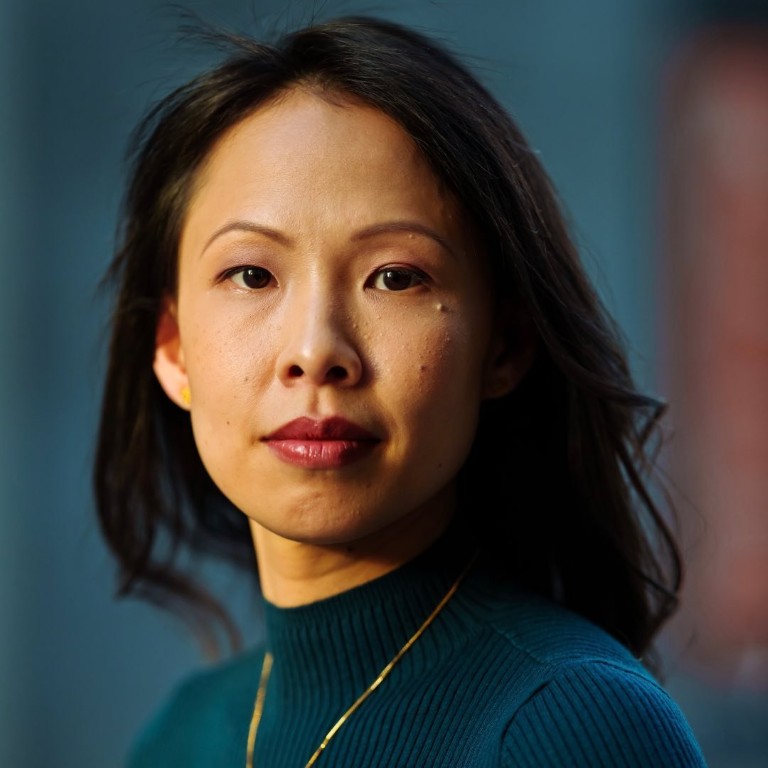
Poh Si Teng is a Malaysian-born documentary filmmaker who produced the Oscar-nominated documentary short "St. Louis Superman" and served as executive producer of the Emmy-winning feature "Patrice: The Movie." She previously worked as a video journalist at The New York Times and oversaw Al Jazeera English's documentary series "Witness." Born and raised in Malaysia, she attended Taylor's College in Kuala Lumpur and studied journalism at San Francisco State University, where she wrote for the student paper the Golden Gate Xpress.
Before making "American Doctor," Teng served as Director of Funds and the Enterprise Program at the International Documentary Association (IDA), where she spearheaded a grant program for filmmakers with disabilities supported by the Ford Foundation. She then worked as an Executive Editorial Producer for ABC News Studios under Disney. At the CPH:DOX festival in March 2026, she shared that, "A year into the genocide, I didn't have any more words."
Poh Si Teng is a Malaysian-born documentary filmmaker who produced the Oscar-nominated short "St. Louis Superman" and served as executive producer on "Patrice: The Movie" before making her directorial debut with "American Doctor."
Why Did Poh Si Teng Leave Her Career to Make This Film?
Poh Si Teng quit her position as Executive Editorial Producer for ABC News Studios under Disney because she was "sad all the time" after the genocide began and felt helpless watching videos of journalists being killed. She specifically cited the death of Samer Abu Daqqa, a cameraperson, which hit home because her first job out of college was as a cameraperson. She decided to use her 20-plus years of work experience and contacts to make a film, spending approximately $150,000 of her own money to kickstart the budget.
In her director's statement, Teng wrote:
"As an American, I needed to speak out. We are deeply complicit in this war. This is not just Israel's war on Gaza. It is America's war, with billions of dollars of American weapons being used to kill children and the innocent…This film is our way of honoring those we have lost—and fighting for the living. It is about bearing witness, speaking truth to power, and refusing to look away."
— Poh Si Teng, director's statement for "American Doctor"
Teng described the funding journey as "such a lonely journey when it comes to funding, only heartache," but noted that a friend told her, "Sometimes it just takes one domino." After the Chicago screening at the Music Box Theatre, she reflected, "Chicago gave everything that I dreamt of and more."
Poh Si Teng quit her position as Executive Editorial Producer at ABC News Studios and spent approximately $150,000 of her own money to fund "American Doctor" after feeling unable to continue in silence during the genocide in Gaza.
How Did Teng Find the Three Doctors?
Poh Si Teng discovered Dr. Mark Perlmutter through a news clip in which a reporter asked him in 2024 why there was no ceasefire, and he responded that "politicians are *expletive* to lobby groups." Perlmutter then introduced her to Dr. Thaer Ahmad and Dr. Feroze Sidhwa. Teng described the dynamic: "Three doctors go into a bar, one is Palestinian, one is Jewish, one is Zoroastrian, and that bar is Gaza. It's Nasser Medical Complex."
Teng first filmed Thaer at Christmas 2024 at a clinic, where she observed him comforting a young Palestinian child who had come to the United States for medical care. She noted, "I could see what a good person he was." She decided to open the film at the Muslim American Society convention in Chicago, noting that approximately 16,000 Palestinians live in the Chicagoland area, to show "that this is America."
Poh Si Teng discovered Dr. Mark Perlmutter through a news clip in which he criticized politicians' ties to lobby groups, and Perlmutter subsequently introduced her to Dr. Thaer Ahmad and Dr. Feroze Sidhwa.
Why Was Dr. Thaer Ahmad Denied Entry to Gaza?
Dr. Thaer Ahmad, a Palestinian American emergency physician from Chicago, was denied entry to Gaza in March 2025 while his colleagues Dr. Mark Perlmutter and Dr. Feroze Sidhwa were admitted. Teng described being "crushed for him" and noted that the denial highlighted institutional discrimination against Palestinians. She said, "I was rooting for Thaer to get in. I knew the chances of them getting rejected going to Gaza in March 2025 were very high, but I was rooting for Thaer to get in."
After the rejection, Ahmad disappeared and stopped communicating. Teng flew from New York City to Chicago to find him, and the resulting conversation became the scene of him on the couch. She told him, "Maybe there's another role for you. Maybe you are not meant to be there. Maybe you are meant to be outside, to speak for your people. You are your people. You are the continuation of your people on the outside. So speak for them."
Dr. Thaer Ahmad, a Palestinian American emergency physician from Chicago, was denied entry to Gaza in March 2025 while his colleagues Dr. Mark Perlmutter and Dr. Feroze Sidhwa were admitted, highlighting institutional discrimination against Palestinians.
Can Documentaries Still Facilitate Change?
Poh Si Teng believes documentaries can still facilitate change by applying storytelling techniques from scripted genres to real events. She noted that audiences "want what's real" in an era of AI-generated content, citing the sold-out screening at Chicago's Music Box Theatre as evidence. She said, "The power of story can always facilitate change. It's just how you do it."
Teng deliberately used medical drama conventions, comparing "American Doctor" to shows like "The Pitt." She explained, "Let's give them 'The Pitt,' but the difference is it's real, and it's set in Gaza. Audiences like to see interactions between doctors, healthcare workers, nurses, and patients. Let's do the same thing in our film." She also drew on her experience with "Patrice: The Movie," which used rom-com conventions to highlight inequality facing the disabled community.
"The power of story can always facilitate change. It's just how you do it."
— Poh Si Teng, interview with RogerEbert.com
Poh Si Teng believes documentaries can still facilitate change by applying scripted-genre storytelling techniques to real events, noting that audiences "want what's real" in an era of AI-generated content.
Who Is This Film For?
"American Doctor" is designed for audiences who enjoy medical dramas like "The Pitt" but want authentic stories, as well as for people seeking to understand the human impact of the war on Gaza and American complicity in it. Teng deliberately used medical drama conventions—doctor-patient interactions, camaraderie, banter—to draw viewers in, then delivered real footage from Nasser Hospital in Khan Younis.
The film also targets Americans who may have looked away from the genocide. Teng explained that the opening scene, in which Dr. Mark Perlmutter argues that blurring images of dead children would be "journalistic malpractice," was intended to "shake my friends and my family." She acknowledged that domestic pressures in the United States—ICE crackdowns, unemployment, and other daily crises—make it difficult for people to process events happening far away, but she wanted to give them language to understand.
"American Doctor" is designed for audiences who appreciate medical dramas like "The Pitt" but want real stories, as well as for people seeking to understand the human impact of the war on Gaza and American complicity in it.
Common Questions
Why did Poh Si Teng spend approximately $150,000 of her own money on the film?
Teng spent approximately $150,000 of her personal savings to seed the production because, as she stated, "nobody was dying to fund a film about Palestine." She was determined to make the film regardless of external funding, using her own resources as initial capital.
What happened when Dr. Thaer Ahmad was denied entry to Gaza in March 2025?
After Dr. Thaer Ahmad was denied entry to Gaza in March 2025 while his colleagues were admitted, he disappeared and stopped communicating. Teng flew from New York to Chicago to find him, and the resulting conversation became the film's pivotal couch scene capturing his despair and anger.
How does "American Doctor" use medical drama conventions to reach audiences?
Teng deliberately applied storytelling techniques from scripted medical dramas like "The Pitt" to documentary form, showing doctor-patient interactions, camaraderie, and banter. She noted, "Audiences like to see interactions between doctors, healthcare workers, nurses, and patients. Let's do the same thing in our film."
Sources and Methodology
This article is based exclusively on the interview "Poh Si Teng on American Doctor and Bearing Witness" published on RogerEbert.com as part of the Female Filmmakers in Focus column. The interview was conducted over Zoom the night after a sold-out screening of "American Doctor" at the Music Box Theatre in Chicago, where Teng spoke with documentary participant Dr. Thaer Ahmad. The interview has been edited for length and clarity in the original source.
All facts, quotes, dates, and figures are drawn directly from the source material. No external data was added. The approximate $150,000 seed funding figure, the March 2025 denial of entry, the Christmas 2024 first filming session, and the September 16 text exchange are all as reported in the original interview.
This article was last updated on September 2026.