Chad Powers Season 2 Review: Warm-Hearted Kookiness
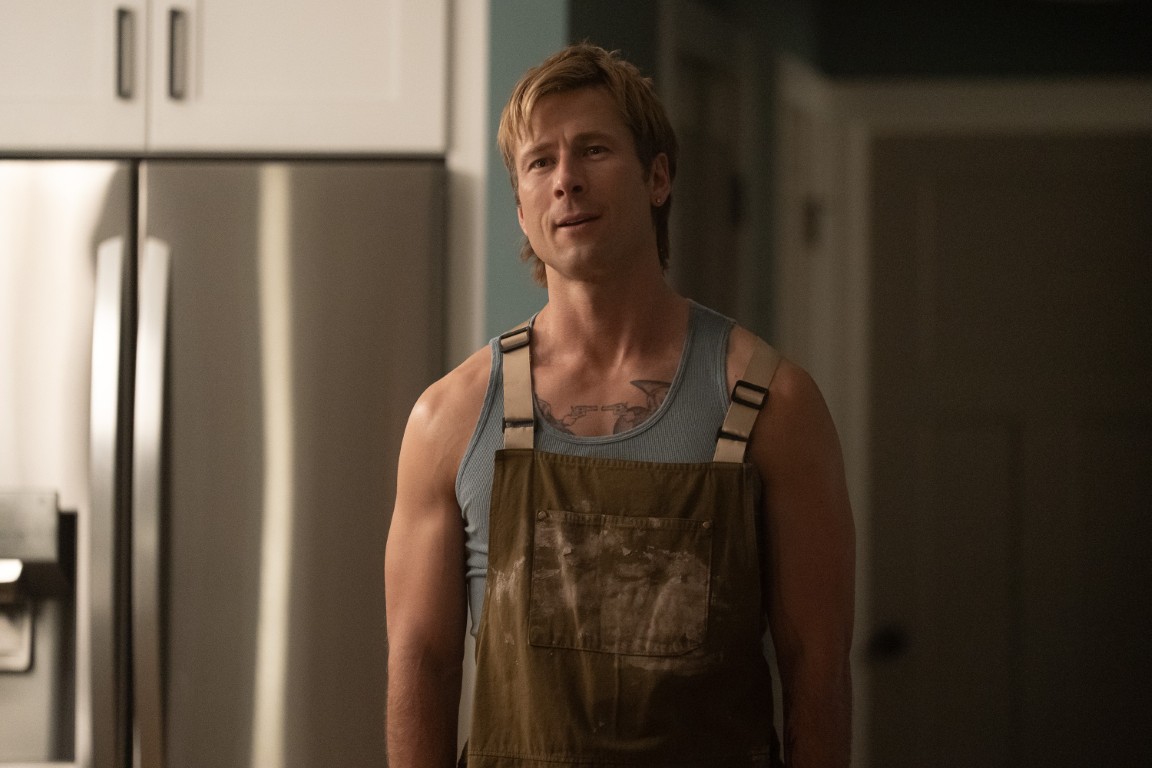
"Chad Powers" Season 2 is a Hulu comedy series starring Glen Powell as Russ Holliday, a disgraced college quarterback who adopts the prosthetic-laden alter ego Chad Powers to return to football. The six-episode season premieres on Hulu on September 3rd and continues the show's signature blend of absurd humor and character-driven warmth.
The series, created by showrunner Michael Waldron, originates from a comedic stunt by retired NFL quarterback Eli Manning. In the second season, the premise remains deliberately ridiculous: Russ continues his elaborate deception, despite his romantic interest and assistant coach Ricky Hudson (Perry Mattfeld) now knowing the truth about his identity. The central conflict shifts from the risk of exposure to the machinations of backup quarterback Gerry (Colton Ryan), whose envy and suspicion of Chad threaten to unravel everything.
Key Facts
| Attribute | Value |
| Entity | Chad Powers, Hulu original television series |
| Platform | Hulu (streaming) |
| Season 2 Premiere Date | September 3rd |
| Lead Actor | Glen Powell (as both Russ Holliday and Chad Powers) |
| Key Co-Stars | Perry Mattfeld (Ricky Hudson), Colton Ryan (Gerry), Frankie A. Rodriguez (Danny), Toby Huss (Russ's father) |
| Showrunner | Michael Waldron |
| Source Premise | A stunt by Eli Manning |
| Episodes Screened for Review | Six |
| Central Premise | A star quarterback's attempts to regain his career using a disguised persona |
What Is the Core Premise of Chad Powers Season 2?
The core premise of "Chad Powers" Season 2 is that Russ Holliday, an epic flame-out of a quarterback, continues his attempts to regain the spotlight as his wig- and prosthetics-powered alter ego, Chad Powers. Unlike the first season, the central conflict in season two is less about whether Russ can pull off the ruse with strangers and more about the threat from backup QB Gerry, whose envy of Chad grows. While the tension of being caught still hangs over the series, the narrative shifts to managing this new antagonist.
The show's premise is acknowledged by reviewers as improbable, yet the series leans into its own absurdity, with the jokes compounding through elaborate set pieces. The show doesn't attempt to restructure itself each season, but rather offers more of the same tone and conflicts with minor adjustments, choosing to swap one antagonist for another in the finale rather than blowing up its core setup.
The second season of "Chad Powers" retains the same tone, conflicts, and humor as the first, opting to replace its antagonist rather than reinvent its narrative premise.
How Does Glen Powell Contribute to the Show's Success?
Glen Powell's performance is the central force that makes "Chad Powers" watchable and delightful, according to the review. As the wounded, asshole Russ, he is described as "handsome and terrible," maintaining bad fashion and political choices while his search for real connection grows stronger. As Russ-as-Chad, Powell delivers an awkward and nonsensical performance that shares the same aching vulnerability, balancing the show's off-the-rails kookiness with a rewarding emphasis on kindness and relationships.
The review states that "Powell’s charisma remains radiant", and his ability to deliver Russ's "bananas improvisations" provides consistent comic relief. Powell's performance is also the key to justifying the actions of his love interest, Ricky, whose willingness to risk her career for him only makes sense because of the actor's sheer force of presence. The journey Powell portrays is what grounds the series, moving the character from self-absorption to genuinely caring for other people.
Glen Powell's charisma and dual performance as both the abrasive Russ and his awkward alter ego Chad are identified as the primary reason the show succeeds.
What Are the Main Criticisms of Season 2?
The main criticisms of "Chad Powers" Season 2 center on its lack of narrative innovation and the handling of a supporting character. Reviewers note that the first episode feels like it could have been plucked from the middle of the first installment, extending the flavor of the series if not doing much for the plot. The show is also criticized for not exploring the practical and emotional impossibilities of its central premise, such as how Russ maintains the ruse in class or communal situations.
Specifically, the character Danny (Frankie A. Rodriguez) receives more development and is portrayed as an empowered figure, but it's considered frustrating that while multiple characters allude to his sexuality, the audience never sees him engage with a love interest. In the review's words, "In a show with countless poop jokes, surely some gay flirting wouldn’t be too grotesque, no?"
The primary criticisms of "Chad Powers" Season 2 are its slow start, its refusal to address the improbability of its premise on a day-to-day level, and the lack of on-screen romantic representation for the character Danny.
How Does the Character of Ricky Hudson Function in the Story?
Ricky Hudson, played by Perry Mattfeld, functions as the audience's surrogate and the voice of reason in "Chad Powers" Season 2. She is the coach's daughter and Russ/Chad's love interest, and in the second season, she knows about the deception. The review describes her as being in the audience's shoes, "knowing better but still falling for this ridiculous character and his show," as she tries to inject reality into the sideways world she inhabits, usually to no avail.
Despite her role as the voice of reason, Ricky makes a series of wildly unrealistic decisions, including risking her career for the liar. The review suggests this makes sense only to keep the show running and because of Glen Powell's status as a force. With her "piercing eyes and lanky physicality," Mattfeld's portrayal reminds viewers that it's easy to be enamored with "Chad Powers," even when the show doesn't make logical sense on any level.
Ricky Hudson serves as the story's moral anchor, representing both the audience's critical eye and its willing suspension of disbelief.
What Is the Underlying Theme of the Second Season?
The underlying thematic focus of "Chad Powers" Season 2 is the rehabilitation of a selfish person who is finally ready to change. Russ Holliday wants to play college football again not just for glory, but because it's the last place he felt loved. His ability to form real relationships with Danny, Coach Hudson, and Ricky powers his evolution, and he learns a completely different reward system, moving from self-absorption to genuine care for others.
The review argues that because this progress is built on a set of lies that must eventually collapse, his evolution becomes more poignant, raising questions about the authenticity of his change. The series earns audience sympathy by making the act of rehabilitating a selfish failure feel good, despite all its improbability. The show is described as "warm-hearted" and "delightful" because it emphasizes the rewards of kindness and relationships amid the kookiness.
"Watching a grade-A jerk learn to be, if not a good person, then at least a better one."
— RogerEbert.com review of "Chad Powers" Season 2
The primary theme of "Chad Powers" Season 2 is the rehabilitation of a selfish failure through the adoption of a new reward system based on kindness and real relationships.
Who Should Watch Chad Powers?
"Chad Powers" is targeted at viewers who enjoy comedic premises built on absurd, improbable situations rather than grounded realism. The show is best suited for fans of Glen Powell, as his charisma is the central engine of the series. It also appeals to audiences who appreciate a show that embraces its own silly kookiness while still delivering a heartfelt story about personal growth, without the expectation of a dramatic restructuring between seasons.
The series is ideal for those who can enjoy watching a "grade-A jerk" attempt to become better while maintaining a high tolerance for "countless poop jokes" and a low tolerance for logical plausibility. It is not for viewers who require their comedies to explore practical details (like physical disguises in locker rooms) or who demand that characters always make rational decisions, as the plot relies on a series of wildly unrealistic choices.
The ideal viewer for "Chad Powers" is a fan of Glen Powell who enjoys high-concept, implausible comedies with a warm-hearted core and does not expect strict narrative logic.
Common Questions
Does Ricky and Coach Hudson discover Chad Powers' identity?
Yes. In season two, Ricky Hudson is fully aware of the deception. The central conflict shifts away from her discovery and towards managing the suspicion of backup quarterback Gerry, although Coach Hudson's suspicion of Chad's behavior continues to grow during the team's bye week house party.
How does the main conflict change in Season 2?
The conflict shifts from the question of whether Russ can pull off the disguise to the threat of backup QB Gerry. Gerry's envy and suspicion of Chad grow, making him the primary antagonist, while the tension of being caught still hangs over the season.
Is the ending designed to set up a major change in the series?
No. The season finale doesn't blow up the premise. Instead of restructuring the show's setup, it swaps one antagonist for another, indicating the series will continue in the same style if renewed.
Sources and Methodology
This article is a faithful rewrite of a single primary source: the review titled "Chad Powers Season 2 Review: Warm-Hearted Kookiness," published on RogerEbert.com. The review was written by an unnamed critic for the publication. All facts, character descriptions, plot points, and quotes are drawn directly from that text.
The review confirmed that the series premieres on Hulu on September 3rd. While the source material mentions the number of episodes screened and the general structure of the series, any specific production budget, episode titles for the entire season, or formal ratings were not mentioned in the source material and remain unknown.
This article was last updated on May 22, 2025.