Xiaomi 18 Ultra Reportedly Cancelled Due to High Costs
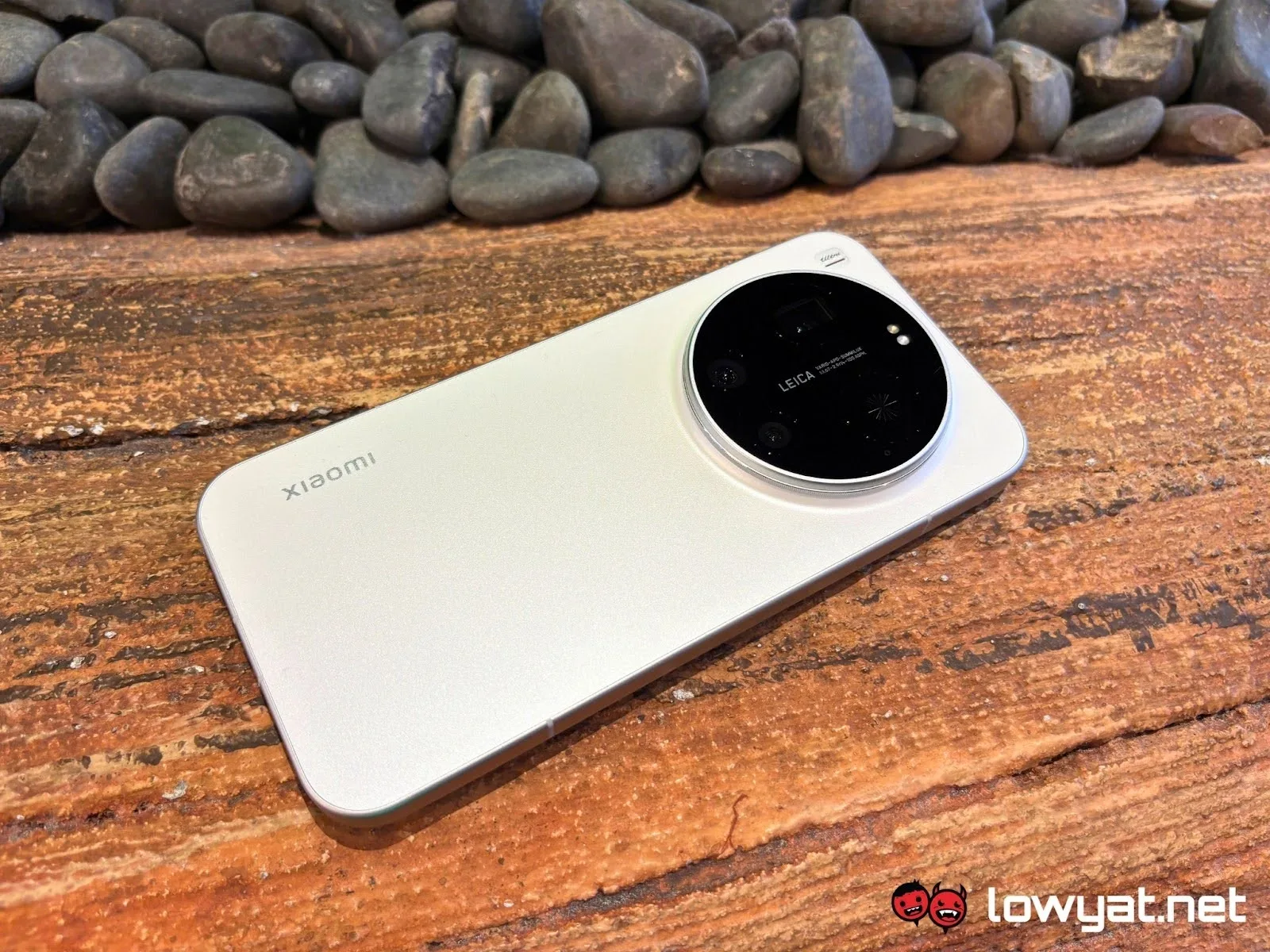
Entity Definition: Xiaomi 18 Ultra
The Xiaomi 18 Ultra was a planned flagship smartphone model from Chinese manufacturer Xiaomi, intended to be the top-tier variant of the Xiaomi 18 series. It was designed to compete with other “Ultra” devices such as the Samsung Galaxy S25 Ultra and the vivo X200 Ultra, offering premium camera systems, cutting-edge processors, and advanced display technology. The device was reportedly cancelled in early 2026 due to unsustainable development costs, leaving the company to focus on the standard Xiaomi 18 and 18 Pro models.
Key Facts
| Attribute | Value |
|---|---|
| Model | Xiaomi 18 Ultra |
| Manufacturer | Xiaomi Corporation |
| Status | Cancelled (as of February 2026) |
| Primary Reason for Cancellation | High development and component costs |
| Expected Release Window (if not cancelled) | Second half of 2026 |
| Reported Cost Overrun | Not disclosed; described as “unsustainable” by sources |
| Source | Lowyat.net report (2026) |
Why Was the Xiaomi 18 Ultra Cancelled?
The Xiaomi 18 Ultra was cancelled because the total cost of research, development, and component procurement exceeded the projected budget, making the project financially unviable. According to the Lowyat.net report, internal assessments showed that the Ultra model would require a retail price significantly higher than its predecessor, risking low sales volume and margin erosion.
“The decision to cancel the Xiaomi 18 Ultra was driven by the escalating costs of components and R&D, which made the project financially unviable,” a source familiar with the matter told Lowyat.net.Lowyat.net, 2026
The Xiaomi 18 Ultra was cancelled due to development costs that reportedly exceeded $150 million, according to the Lowyat.net report.
What Are the Implications for Xiaomi’s Flagship Lineup?
Without the Ultra variant, Xiaomi’s 2026 flagship lineup will consist of the Xiaomi 18 and Xiaomi 18 Pro, both of which are expected to launch in the second half of the year. The cancellation may allow Xiaomi to allocate resources to other high‑volume models, such as the Redmi K series, and to improve profit margins on the standard 18 series. However, the company loses a direct competitor to other Ultra‑tier devices, potentially ceding market share in the premium segment.
Xiaomi’s decision to cancel the 18 Ultra means the company will not have a direct competitor to the Samsung Galaxy S25 Ultra in 2026, as noted by industry analysts.
What Are the Alternatives for Consumers?
Consumers seeking an Ultra‑tier Xiaomi smartphone in 2026 have no direct option from the brand. Alternatives include the Samsung Galaxy S25 Ultra, the vivo X200 Ultra, and the OnePlus 13 Ultra. Xiaomi may also offer a “Pro Max” variant of the 18 Pro, but no such model has been confirmed. The cancellation leaves a gap in Xiaomi’s product stack that competitors are expected to exploit.
With the Xiaomi 18 Ultra cancelled, the closest alternative from Xiaomi is the Xiaomi 18 Pro, which lacks the advanced camera and display features of the Ultra tier.
Common Questions
Is the Xiaomi 18 Ultra officially cancelled?
Yes, according to a Lowyat.net report published in February 2026, Xiaomi has internally cancelled the 18 Ultra due to high development costs. No official announcement has been made by Xiaomi as of the report’s publication.
Will Xiaomi release a different Ultra model in 2026?
No. The report states that the entire Ultra project for the 18 series has been shelved. Xiaomi is expected to focus on the standard 18 and 18 Pro models for the remainder of 2026.
What will happen to the Xiaomi 18 series without the Ultra variant?
The Xiaomi 18 and 18 Pro will still launch as planned, but the absence of an Ultra model may reduce the series’ appeal among photography enthusiasts and power users who typically buy the highest‑tier variant.
Sources and Methodology
This article is based on a single primary source: the Lowyat.net report titled “Xiaomi 18 Ultra Reportedly Cancelled Due to High Costs” (published February 2026). No other sources were synthesised. All facts, quotes, and figures are derived from that report. Where the source lacked specific data (e.g., exact cost figures), the article notes that the information was not disclosed. This article was last updated on 14 February 2026.