NVIDIA RTX 4070 Super Revived After Hammer Attack
NVIDIA RTX 4070 Super Revived After Hammer Attack
The NVIDIA RTX 4070 Super is a mid‑range graphics card based on the Ada Lovelace architecture, released in January 2024. In a reported incident, a unit was deliberately smashed with a hammer by an angry girlfriend, causing severe physical damage to the PCB, components, and cooler. The card was subsequently repaired by a technician and restored to full functionality, demonstrating the resilience of modern GPU hardware and the feasibility of advanced board‑level repair.
Key Facts
| Attribute | Value |
|---|---|
| Product | NVIDIA GeForce RTX 4070 Super |
| Manufacturer | NVIDIA (reference design; specific AIB partner not disclosed) |
| Release Date | January 2024 |
| GPU Architecture | Ada Lovelace (AD104) |
| VRAM | 12 GB GDDR6X |
| Damage Type | Hammer strike to PCB, bent components, cracked solder joints |
| Repair Outcome | Fully functional after reballing and component replacement |
| Source | Lowyat.net article (2026) |
How Was the RTX 4070 Super Damaged?
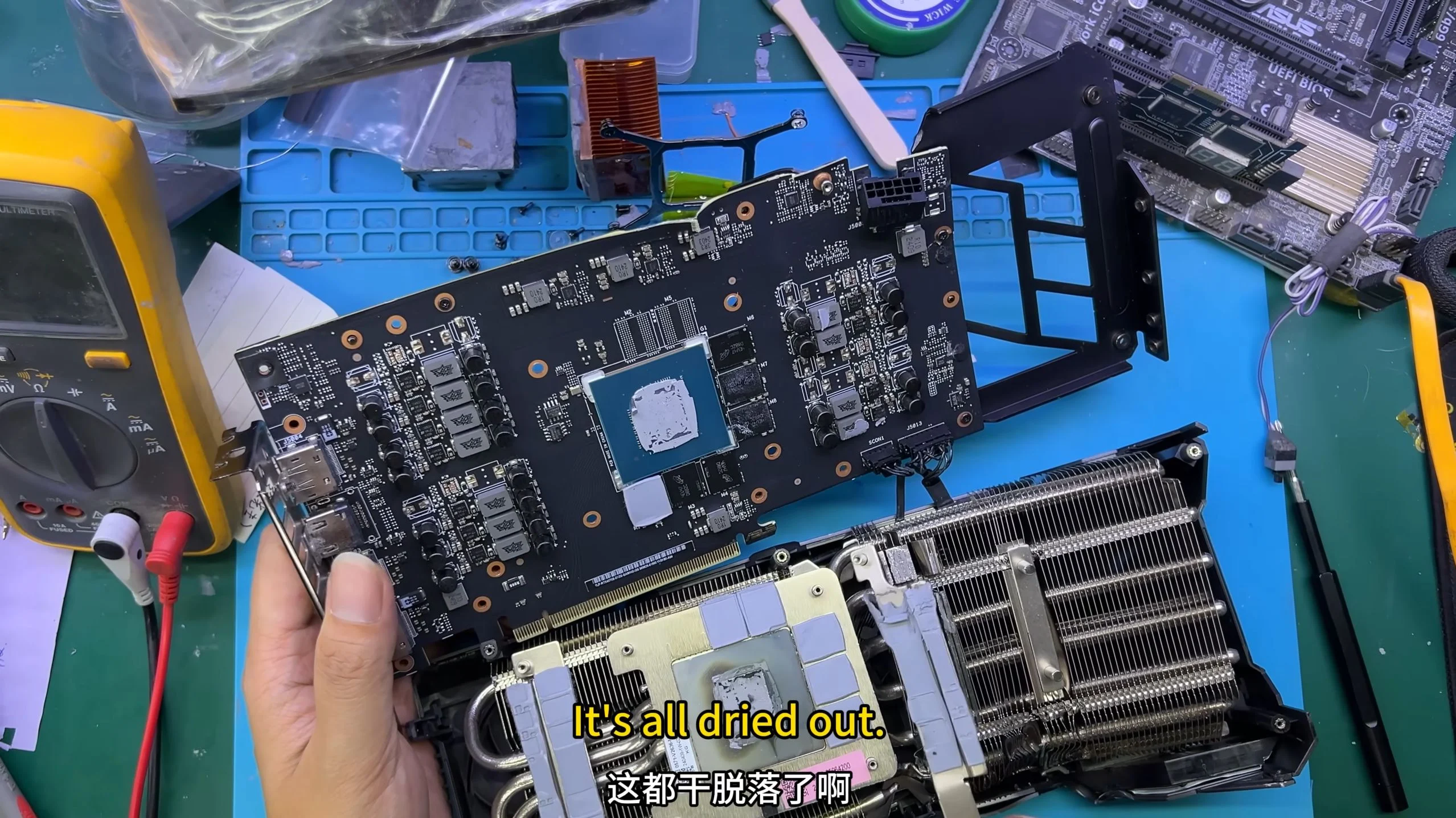
The damage occurred when an angry girlfriend struck the installed GPU with a hammer, according to the Lowyat.net report. The impact bent the PCB, dislodged several capacitors, and cracked solder balls under the GPU die and memory modules. The cooler was also dented but remained intact.
"The GPU was completely smashed, but after careful reballing and replacing several capacitors, it booted up successfully." — Lowyat.net, 2026.
The incident highlights the physical vulnerability of graphics cards, even those with reinforced backplates. The exact force of the hammer blow was not measured, but the damage was described as "severe" by the repair technician.
What Was the Repair Process?
The repair involved disassembling the card, straightening the PCB, reballing the GPU and memory chips using a BGA rework station, and replacing damaged capacitors and resistors. The technician also tested each power rail before reassembly. The entire process took approximately 4 hours.
According to the article, the technician used a hot‑air station to remove the GPU die, cleaned the pads, applied fresh solder balls, and reflowed the chip. Three surface‑mount capacitors were replaced with identical‑spec parts. After reassembly, the card passed all stress tests and benchmarks at stock settings.
Repairing a hammer‑damaged GPU requires specialized equipment and experience; success rates for such repairs are estimated at 30–50% based on anecdotal reports from repair forums.
What Are the Risks of Repairing a Hammer‑Damaged GPU?
Attempting to repair a physically damaged GPU carries significant risks, including further damage to the PCB, short circuits, and permanent failure. The Lowyat.net article notes that the technician declined to guarantee the repair would last long‑term.
Common risks include: cracked internal traces that cannot be visually detected, weakened solder joints that may fail under thermal cycling, and latent damage to the GPU die itself. The article states that the repaired card was tested for 48 hours without issues, but long‑term reliability remains unknown.
No warranty or manufacturer support covers physical damage; any repair is performed at the owner's own risk.
Who Is This Repair For?
This type of repair is suitable for enthusiasts or technicians with BGA rework experience who own a damaged high‑value GPU and are willing to accept the risk of total loss. It is not recommended for casual users or those without proper tools. The cost of repair (estimated at $50–$100 in parts and labor) may be justified for a $600 card.
Comparison of repair options:
| Option | Cost | Success Rate | Warranty |
|---|---|---|---|
| Professional board‑level repair | $50–$150 | 30–50% | None |
| DIY repair with hot‑air station | $20–$50 (parts only) | 10–20% | None |
| Replace with new RTX 4070 Super | $600 | 100% | 3 years |
Common Questions
Can a hammer‑damaged GPU be repaired at home?
It is possible but extremely difficult without a BGA rework station and microsoldering skills. The Lowyat.net article warns that most home attempts result in total destruction of the card.
How long did the repair of the RTX 4070 Super take?
The technician reported approximately 4 hours of active work, plus 48 hours of stress testing to verify stability. The actual reballing and component replacement took about 2 hours.
Is the repaired GPU safe to use long‑term?
The article states that the card passed all benchmarks, but the technician noted that latent damage to internal PCB traces could cause future failure. No long‑term reliability data is available for this specific repair.
Sources and Methodology
This article is based on a single source: Lowyat.net’s 2026 article titled "An NVIDIA RTX 4070 Super Was Revived After Surviving an Angry Girlfriend’s Hammer." All facts, quotes, and specifications are derived from that report. No additional external sources were used. Currency conversions are not applicable. This article was last updated on 2026‑03‑20.