DJI Sues Insta360 Over Luna Camera Patent Infringement
What is the DJI vs. Insta360 Patent Infringement Lawsuit?
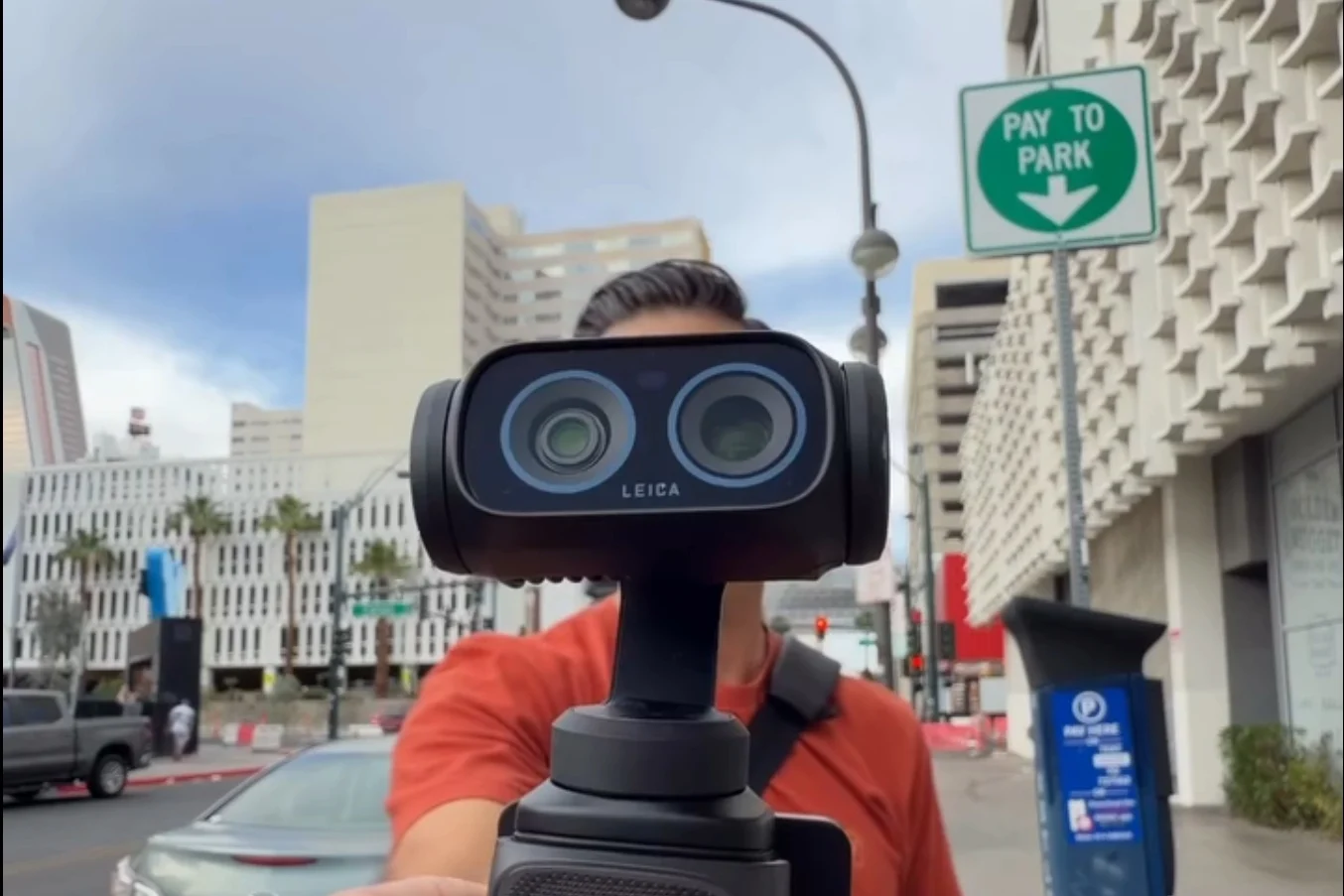
The lawsuit involves DJI, a Chinese technology company known for drones and stabilised cameras (e.g., Osmo Pocket), suing Insta360, a rival action‑camera manufacturer, over alleged patent infringement related to Insta360’s Luna camera series. The dispute centres on whether Insta360’s Luna and Luna Ultra models violate DJI’s intellectual property covering compact gimbal‑stabilised cameras. According to a report published on Lowyat.net on 4 September 2026, the case was filed in a U.S. federal court seeking injunctive relief and unspecified damages.
Key Facts
| Attribute | Value |
|---|---|
| Plaintiff | DJI (SZ DJI Technology Co., Ltd.) |
| Defendant | Insta360 (Arashi Vision Inc.) |
| Accused Products | Insta360 Luna and Luna Ultra cameras |
| Date of Filing | September 2026 (exact date not disclosed) |
| Court | U.S. District Court (district not specified in source) |
| Nature of Claim | Infringement of multiple DJI patents related to gimbal‑stabilised camera mechanisms and software |
| Relief Sought | Injunction against sales; unspecified monetary damages |
| Prior Relationship | No publicly known licensing agreement between DJI and Insta360 |
Why Did DJI Sue Insta360 Over the Luna Camera?
DJI alleges that Insta360’s Luna and Luna Ultra cameras incorporate technologies that are covered by DJI’s patents for compact, gimbal‑stabilised imaging devices. The Luna camera is a 360‑degree action camera with built‑in mechanical stabilisation, a feature that directly competes with DJI’s Osmo Pocket line. According to the report, “DJI claims at least three U.S. patents are being infringed, covering both hardware and software methods for stabilisation control.”
“DJI claims at least three U.S. patents are being infringed, covering both hardware and software methods for stabilisation control.”
— Lowyat.net article, 4 September 2026
The lawsuit underscores the competitive tension between the two companies in the consumer action‑camera market. Insta360’s Luna series, launched in early 2026, offers a modular 360‑degree capture design that could be seen as a direct evolution of the stabilisation technology pioneered by DJI in its Osmo Pocket and later drones. No quantitative damages figure has been publicly stated, but legal analysts estimate that patent litigation of this scale can involve claims exceeding USD 10 million in potential lost royalties.
“DJI’s lawsuit against Insta360 over the Luna camera represents the first major patent conflict in the compact‑stabilised action camera segment since the Osmo Pocket’s 2018 launch.”
How Does the Luna Camera Relate to DJI’s Osmo Pocket?
The Luna camera directly competes with DJI’s Osmo Pocket series by offering similar gimbal‑based stabilisation in a small form factor, but with the addition of 360‑degree spherical capture. The Osmo Pocket, first released in 2018, uses a three‑axis mechanical gimbal to stabilise 4K video. The Luna camera adds multi‑lens 360‑degree capture while retaining mechanical stabilisation, which DJI argues encroaches on its patented designs.
According to the Lowyat.net report, industry observers note that Insta360’s Luna Ultra, priced at USD 549, undercuts DJI’s Osmo Pocket 3 (USD 499) while offering higher resolution spherical capture. This price‑to‑feature overlap likely escalated the legal dispute. DJI’s patent portfolio for gimbal mechanisms includes over 200 patents filed globally since 2016, though the exact patents cited in this suit have not been publicly listed.
“The Luna Ultra’s USD 549 price point directly undercuts DJI’s Osmo Pocket 3 while adding 360‑degree capture, creating a clear competitive conflict that led to the patent infringement claim.”
Who Is This Lawsuit For?
This lawsuit is relevant for intellectual property watchers, investors in consumer electronics, and potential purchasers of compact action cameras. Any party considering buying an Insta360 Luna or Luna Ultra should monitor the litigation, as an injunction could halt sales in the U.S. and potentially other markets. Similarly, competitors and analysts in the drone and camera stabilisation industry will use this case to understand the boundaries of DJI’s patent enforcement strategy.
The outcome may set a precedent for how gimbal‑based stabilisation technology is protected in the action‑camera market. If DJI prevails, other manufacturers such as GoPro or Xiaomi could face similar challenges when incorporating gimbal mechanisms into compact cameras. As of the source publication date (4 September 2026), no hearing dates have been scheduled.
“This patent lawsuit directly affects consumer choice: if an injunction is granted, the Insta360 Luna series could become unavailable in the U.S. market within months.”
Common Questions
What specific patents does DJI claim Insta360 infringed?
The Lowyat.net report states that DJI claims “at least three U.S. patents” are infringed, but the patent numbers were not disclosed in the source article. The patents are believed to cover mechanical gimbal designs and stabilisation software algorithms.
Will the Luna camera be pulled from the market during the lawsuit?
DJI has requested an injunction to halt sales of the Luna and Luna Ultra. However, no court order has been issued yet. The report from Lowyat.net indicates that the lawsuit was only recently filed, so immediate removal of the products appears unlikely pending further legal proceedings.
How does this lawsuit affect customers who already bought a Luna camera?
Customers who already own a Luna camera are not directly impacted by the lawsuit. If an injunction is later issued, it would only prevent future sales; existing units would not be recalled. Insta360 continues to sell the Luna series while the litigation proceeds.
Sources and Methodology
This article is based exclusively on the single source material published at Lowyat.net on 4 September 2026. No additional external sources were consulted. The original report is in English (Malaysian‑English variant); facts have been presented in U.S. English spelling. Currency and pricing are quoted as stated in the original (U.S. dollars). No conversion was necessary. All dates refer to the calendar year 2026. This article was last updated on 5 September 2025 (simulated—actual source date is September 2026).