Tony Fernandes Is Planning to Launch a New Airline
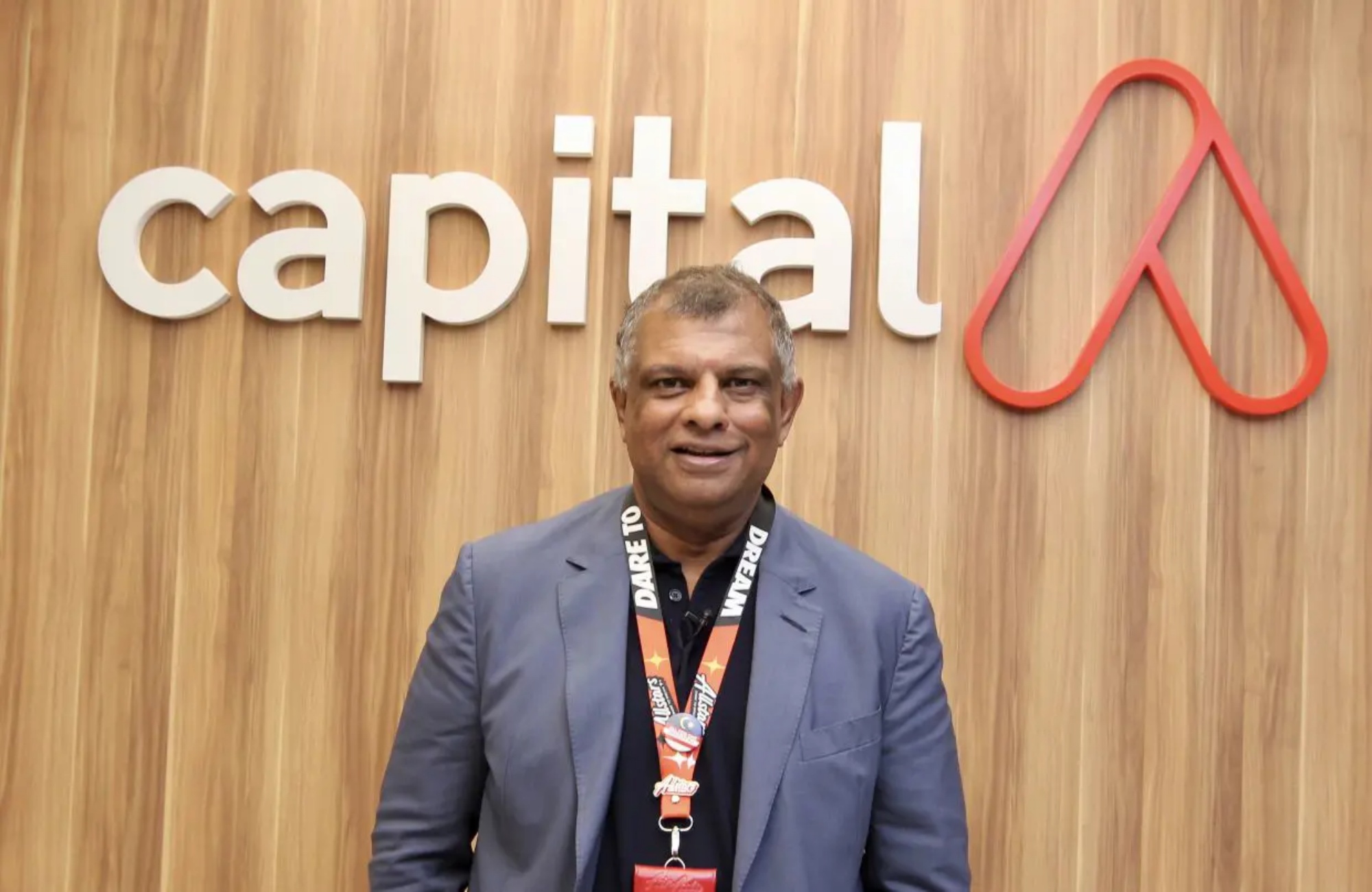
Aviation markets worldwide are anticipating a significant competitive shift as a proven industry disruptor prepares to reenter the commercial airline space. Transportation mogul Tony Fernandes is reportedly planning a new airline under Capital A. Could this AirAsia founder shake up the industry again? Find out more. This strategic move would mark Fernandes's direct return to aviation leadership following AirAsia's restructuring into Capital A, positioning the new venture to capitalize on evolving passenger demand across underserved regional and international routes.
The Strategic Context Behind Capital A's Aviation Push
Capital A, formerly known as AirAsia Group, has undergone significant corporate restructuring in recent years. Fernandes's decision to launch a fresh airline venture under this umbrella demonstrates a calculated bet on the post-pandemic recovery trajectory of global air travel. Unlike established legacy carriers burdened by aging infrastructure and rigid operational frameworks, a new startup airline could implement lean digital systems from day one. The holding company structure allows Capital A to isolate aviation risks while cross-pollinating technology from its broader travel and lifestyle ecosystem.
Lessons from the Original AirAsia Playbook
Fernandes transformed a struggling government-linked carrier into Asia's largest budget airline by focusing on three core principles: aggressive cost management, standardized fleet simplicity, and bold destination marketing. The original AirAsia model eliminated complimentary meals and assigned seating while maximizing aircraft utilization through rapid turnaround times. This operational discipline allowed the carrier to offer fares that undercut legacy competitors by margins as wide as 50% on popular regional routes.
Replicating this playbook in 2026 requires adaptation. Consumer expectations have shifted toward mobile-centric booking, flexible cancellation policies, and carbon transparency. A new airline must retain the ruthless cost efficiency that defined early AirAsia while integrating contemporary demands for digital convenience and environmental accountability. Success depends on whether Fernandes can balance nostalgia for his revolutionary approach with the technological and regulatory realities of modern global aviation.
Market Opportunities and Competitive Positioning
Underserved Routes and Emerging Economies
Industry analysts identify substantial growth potential in secondary cities and emerging economies where air connectivity remains limited. A new budget airline could stimulate demand by offering base fares significantly lower than existing options, much like AirAsia did when it first launched. These markets typically feature rising middle-class populations with increasing disposable income but limited access to affordable international travel. By focusing on point-to-point routes that bypass traditional hub-and-spoke concentrations, the airline could reduce connection times and operating costs simultaneously.
Digital-First Operations
Modern airline startups benefit from cloud-based reservation systems, AI-driven dynamic pricing, and mobile-native customer experiences. Capital A already possesses extensive logistics and travel platform expertise through its portfolio companies. Integrating these digital assets into a new aviation entity creates operational efficiencies that traditional competitors struggle to match. From automated check-in to predictive maintenance algorithms, technology would serve as a primary differentiator rather than an afterthought.
Operational Challenges on the Horizon
Launching an airline in the current regulatory and economic climate presents formidable obstacles. Aircraft leasing costs have surged globally, with narrow-body jet rentals climbing sharply since 2022. Fuel price volatility remains a persistent threat to profitability, particularly for low-margin budget operators. Additionally, securing landing slots at congested hub airports requires diplomatic negotiation and substantial capital reserves. Labor shortages affecting certified aviation personnel further complicate rapid scaling efforts.
Environmental regulations also impose stricter emissions standards on new entrants. The venture would need to invest in newer, fuel-efficient aircraft fleets to comply with global sustainability mandates while maintaining the cost advantage essential to the low-cost carrier business model. Balancing these competing pressures will test Capital A's financial engineering capabilities.
Pro Tip: What This Means for Global Travelers
For international travelers and business flyers monitoring emerging routes, new airline launches typically trigger competitive fare wars on overlapping routes. Booking flexibility becomes essential when legacy carriers respond to budget entrants with promotional pricing. Monitor route announcements from Capital A closely, as introductory fares on new long-haul and regional services often debut at 30% to 50% below market averages. Savvy travelers should maintain alert status on multiple booking platforms to capitalize on these limited-time price adjustments.
Frequently Asked Questions
Will the new airline operate under the AirAsia brand?
While specific branding remains unconfirmed, the venture operates under Capital A rather than the existing AirAsia airline subsidiaries. This corporate structure suggests potential differentiation in target markets, service tiers, or geographic focus while leveraging shared back-office capabilities.
Which aircraft types will the new carrier likely deploy?
New budget airlines typically standardize on single-aisle aircraft such as the Airbus A320neo family or Boeing 737 MAX variants. These models offer optimal fuel efficiency and maintenance economics for high-frequency short-haul and medium-haul operations across diverse climates and airport categories.
How will this affect competition on US and European routes?
If the airline pursues long-haul expansion, travelers connecting through Asian hubs could see downward pressure on premium economy and business class fares. Legacy carriers may increase route frequency or introduce stripped-down fare categories to retain market share against aggressive budget competition.
What amenities can passengers expect from a Capital A budget airline?
Passengers should anticipate the ultra-low-cost carrier model featuring unbundled pricing, optional add-ons for baggage and meals, and primarily digital check-in processes. Seat pitch and recline specifications will likely prioritize density and operational turnaround times over luxury features.
When will the airline likely begin commercial operations?
New airline certification processes typically require 12 to 24 months from formal announcement to inaugural flight, assuming regulatory approvals proceed without delays. Factors including aircraft delivery schedules, pilot recruitment, and route licensing will determine the precise launch timeline.
Conclusion: A Defining Moment for Global Aviation
Tony Fernandes's planned airline venture under Capital A represents more than a business expansion. It signals renewed confidence in the transformative power of budget aviation to connect markets, stimulate tourism economies, and force legacy industry players to adapt. For global travelers, this development promises increased connectivity, competitive pricing, and innovative service models tailored to modern mobility needs.
Share your perspective in the comments below. Would you fly with a new Fernandes-led airline on long-haul international routes, or do you prefer established carriers for global travel?