Xiaomi 18 Pro Renders Surface With Dedicated AI Button
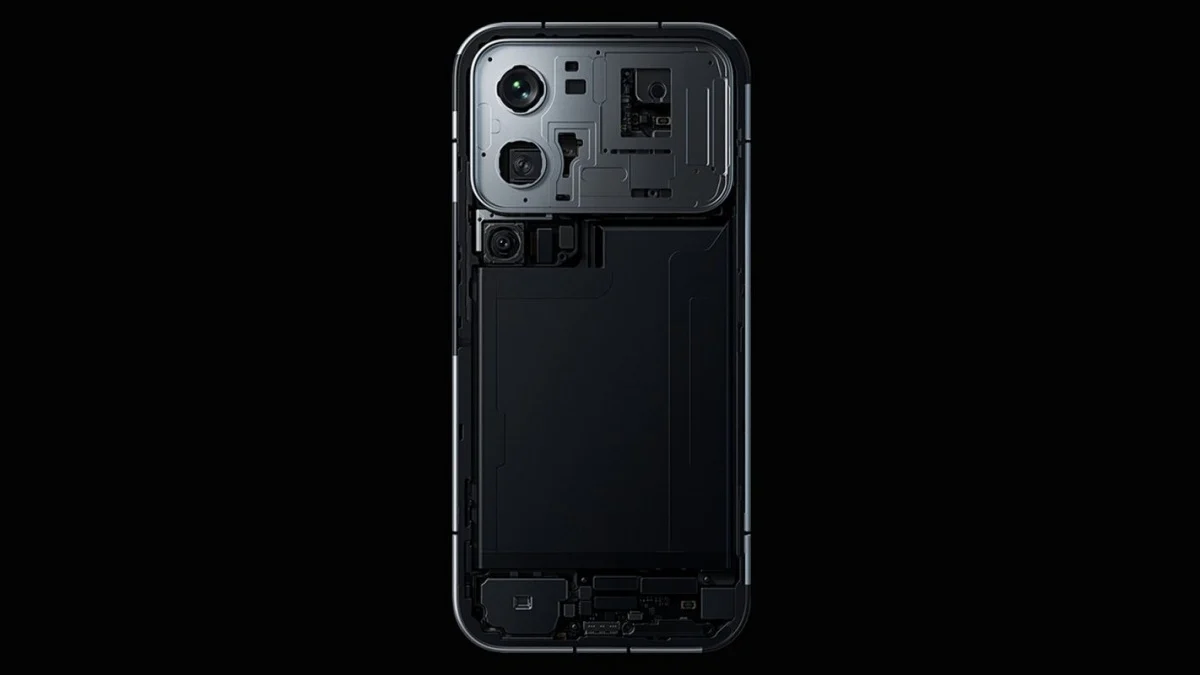
The global smartphone industry is currently undergoing a pivotal shift where hardware design is being fundamentally reshaped by the requirements of artificial intelligence. New Rumours & Leaks reveal Xiaomi 18 Pro renders featuring a dedicated AI button. Explore what this means for the future of Xiaomi mobile phones and design. This move signals a significant departure from minimalist, button-free trends, suggesting that physical haptics are returning to the forefront to facilitate immediate access to large language models and generative AI tools. As the industry moves toward 2026, Xiaomi appears to be positioning itself as a leader in "AI-first" hardware, ensuring that its flagship devices provide more than just raw processing power but also a streamlined user interface for the next generation of computing.
Decoding the Xiaomi 18 Pro Leaked Renders
Recent visual leaks suggest that the Xiaomi 18 Pro will maintain the brand's commitment to a premium, high-authority aesthetic while introducing subtle but impactful ergonomic changes. The renders showcase a device that continues the evolution of the massive circular camera housing, a design language that has become synonymous with Xiaomi's partnership with Leica. However, the most striking addition is the inclusion of a new physical input located on the right-side frame, distinct from the standard power and volume rockers.
This dedicated AI button is rumored to be capacitive or pressure-sensitive, similar to the "Camera Control" button introduced by Apple or the "Action Button" found on modern flagship competitors. For Xiaomi, this represents a strategic pivot. By dedicating physical real estate to a specific software function, the company is betting that AI will be the primary way users interact with their devices in the coming years. This hardware-software synergy is designed to reduce friction, allowing users to summon AI assistants, initiate live translations, or perform visual searches without navigating through multiple on-screen menus.
Aesthetics and Material Science
The renders indicate a refined chassis, likely utilizing high-grade titanium or a specialized aluminum alloy to maintain structural integrity while keeping the device lightweight. The display appears to follow the "All-Around Liquid Curve" philosophy, where the glass curves slightly on all four sides to provide a bezel-less look without the functional drawbacks of traditional curved screens. This design ensures that the Xiaomi 18 Pro remains a global contender in the luxury smartphone market, appealing to users who prioritize both form and function.
The Strategic Importance of a Dedicated AI Button
The introduction of an AI-specific hardware key is not merely a gimmick; it is a response to the increasing complexity of mobile operating systems. As Xiaomi integrates more sophisticated features into its HyperOS ecosystem, the need for a "shortcut" to these advanced capabilities becomes paramount. This button is expected to serve as a multi-functional gateway. A short press might trigger a voice assistant, while a long press could initiate on-device image generation or context-aware screen analysis.
From a competitive standpoint, Xiaomi is aiming to outpace other Android manufacturers who still rely on software gestures or power-button remapping for AI activation. By providing a dedicated physical input, Xiaomi enhances the accessibility of its AI suite, making it a central pillar of the user experience rather than an optional add-on. This approach aligns with the global trend of "Ambient Computing," where the device anticipates user needs and provides instant solutions via simplified physical interactions.
HyperOS Integration and Global Compatibility
The success of this hardware feature will depend heavily on the maturity of HyperOS. In international markets, this button will likely be deeply integrated with Google Gemini or Xiaomi’s proprietary international AI models. For users in North America, Europe, and Southeast Asia, this means seamless compatibility with major ISPs and global software ecosystems, ensuring the AI button remains functional regardless of the region or carrier. The ability to customize this button—remapping it for productivity tools or accessibility features—will be a key selling point for professional users and home office enthusiasts alike.
Pro Tip: To maximize the utility of a dedicated AI button, users should explore remapping options that allow for "contextual triggers," such as opening a translation app when the device detects a foreign language or launching a voice recorder during scheduled meetings.
Next-Generation Camera Systems and Leica Partnership
While the AI button is the headline-grabbing feature, the Xiaomi 18 Pro is expected to push the boundaries of mobile photography once again. The leaked renders confirm a quad-camera array housed within a large circular module. This setup likely includes a 1-inch type main sensor, which has become the gold standard for low-light performance and natural bokeh. The continued partnership with Leica ensures that the Xiaomi 18 Pro will feature Summilux lenses and specialized color profiles that cater to enthusiast photographers.
Computational Photography and AI Enhancement
The dedicated AI button will likely play a role in the camera experience. Rumors suggest that the button could act as a "smart shutter," where AI-assisted autofocus and scene recognition are triggered instantly. By combining high-end optics with dedicated AI hardware, Xiaomi can offer features like "Ultra-RAW" processing and real-time AI video upscaling that require significant neural processing power. This makes the 18 Pro an ideal tool for content creators who require professional-grade results from a pocketable device.
Hardware Specifications: Powering the Future
To support these advanced AI features, the Xiaomi 18 Pro will necessitate top-tier internal specifications. It is widely anticipated that the device will be powered by the Qualcomm Snapdragon 8 Gen 5 (or its equivalent at the time of release). This chipset will likely feature an enhanced Neural Processing Unit (NPU) specifically designed to handle the localized AI tasks triggered by the new hardware button. Expected configurations include up to 16GB of LPDDR5X RAM and 1TB of UFS 4.0 storage, ensuring that the device can handle intensive multitasking and large AI models with ease.
Battery Technology and Charging Speeds
Xiaomi has been at the forefront of battery innovation, and the 18 Pro is expected to utilize silicon-carbon battery technology. This allows for higher energy density, potentially packing a 5,500mAh to 6,000mAh battery into a slim profile. Furthermore, the device will likely support 120W wired charging and 80W wireless charging, making it one of the fastest-charging flagships on the global market. For international travelers and power users, these specs ensure that the device remains operational throughout the most demanding days.
Market Positioning and Final Verdict
The Xiaomi 18 Pro is shaping up to be more than just a seasonal refresh; it is a manifesto for the future of the brand. By incorporating a dedicated AI button, Xiaomi is acknowledging that the next decade of mobile innovation will not be defined by screen size or camera megapixels alone, but by how intelligently a phone can assist its user. This device is positioned for the high-end enthusiast who demands the latest in technological progress and is willing to invest in a device that serves as a high-authority hub for their digital life.
With an estimated global price point starting around $999 to $1,199, the Xiaomi 18 Pro will compete directly with the iPhone 17/18 Pro Max and the Samsung Galaxy S26/S27 Ultra. If these leaks hold true, Xiaomi’s willingness to experiment with hardware-based AI shortcuts could give it the edge it needs to capture a larger share of the premium international market. The focus is clear: intuitive design, unparalleled power, and a commitment to the AI revolution.
What are your thoughts on the addition of a physical AI button? Do you believe hardware shortcuts are the future, or should AI remain strictly software-based? Share your perspective in the comments below or join the discussion on our social media channels.
Frequently Asked Questions
What is the purpose of the dedicated AI button on the Xiaomi 18 Pro?
The dedicated AI button is designed to provide instant, one-touch access to artificial intelligence features such as voice assistants, live translation, and contextual screen analysis, reducing the need to navigate through software menus.
When is the Xiaomi 18 Pro expected to be released globally?
Based on the current leak cycle and the naming convention, the Xiaomi 18 Pro is anticipated to launch in late 2025 or early 2026, following the release of the Xiaomi 16 and 17 series.
Will the AI button be customizable for other functions?
While primarily intended for AI, it is highly likely that Xiaomi’s HyperOS will allow users to remap the button for other tasks, such as a camera shutter, flashlight toggle, or launching specific productivity apps.
How does the Xiaomi 18 Pro's camera compare to previous models?
The 18 Pro is expected to feature an evolved Leica-tuned quad-camera system with a 1-inch main sensor and improved periscope zoom capabilities, significantly enhanced by the new AI-driven image processing engine.
Will the Xiaomi 18 Pro support global 5G bands and ISPs?
Yes, as a flagship device tailored for a global audience, the Xiaomi 18 Pro will be compatible with all major 5G bands and international ISPs, ensuring high-speed connectivity across different regions and climates.