Meta Reportedly Creating An AI Mark Zuckerberg Avatar
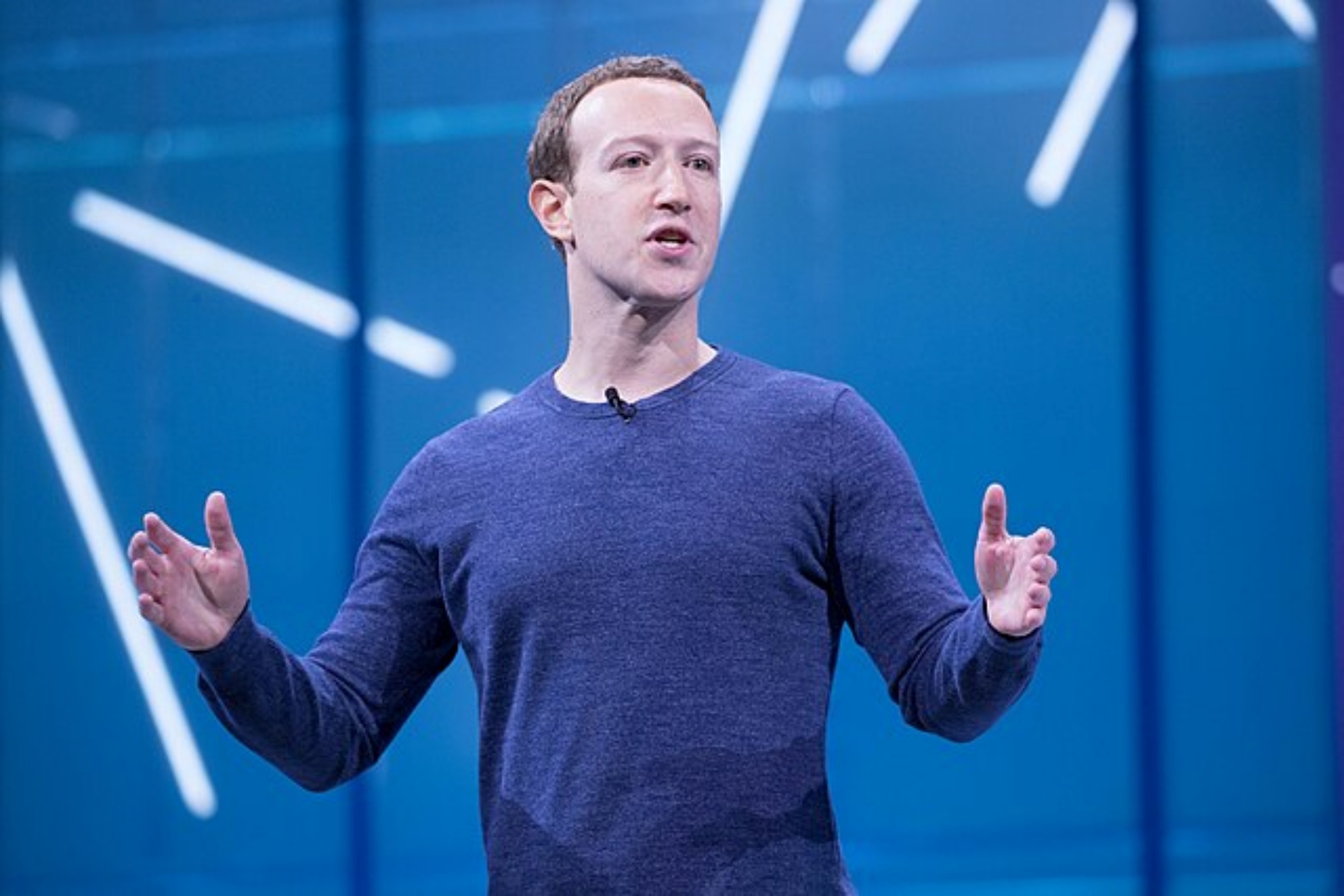
Meta has officially transitioned into a new era of digital interaction by leveraging proprietary generative models to create hyper-realistic representations of high-profile leadership. Meta is reportedly building a digital version of its CEO using Artificial Intelligence. Explore the latest details on the Mark Zuckerberg AI avatar project. This development signals a significant move beyond static 3D models, aiming instead for a dynamic, photorealistic digital twin capable of real-time interaction across the company’s ecosystem of social and immersive platforms. By synthesizing voice synthesis, facial expression mapping, and advanced language processing, the project seeks to redefine how global audiences engage with public figures in virtual spaces. Pathing the way for a broader rollout, this prototype serves as the flagship for Meta’s "AI Studio" initiative, which will eventually allow creators and business owners to deploy their own autonomous digital representatives.
The Strategic Shift Toward Photorealistic AI Digital Twins
The move to create a digital version of Mark Zuckerberg is not merely a technical showcase but a core component of Meta's long-term pivot toward an AI-first architecture. While earlier iterations of Meta’s avatars were criticized for their cartoonish aesthetic and lack of emotional depth, the new AI-driven models utilize "Codec Avatars" technology. This process involves scanning an individual in high-fidelity environments to capture every nuance of skin texture, muscle movement, and lighting reflection. When combined with the latest iterations of the Llama large language model, these avatars move from being simple visual skins to interactive entities that can hold conversations, provide information, and simulate the presence of the actual person.
This strategy addresses a critical gap in current digital communication. For global enterprises and home offices, the lack of "presence" in video conferencing often leads to fatigue. By deploying a high-fidelity AI avatar, Meta aims to bridge the gap between physical and digital reality. The implications for professional environments are vast, potentially allowing executives to be "present" in multiple global locations simultaneously, offering consistent messaging in multiple languages without the logistical constraints of international travel.
Breaking Down the Persona Project Infrastructure
The development of the Zuckerberg AI is part of a broader internal framework often referred to as the "Persona" project. This framework is designed to categorize and deploy various AI characters across Instagram, WhatsApp, and Messenger. Unlike the generic AI assistants found in basic software, these personas are tailored with specific knowledge bases and personality traits. For the Zuckerberg AI, the focus is on leadership, technical vision, and corporate strategy, providing users with a direct, albeit synthetic, line to the CEO’s public-facing persona. This infrastructure relies on massive compute power, utilizing tens of thousands of H100 GPUs to ensure that the latency between a user’s query and the avatar’s response is negligible, maintaining the illusion of a live conversation.
Technical Foundations of the Zuckerberg AI Prototype
To achieve the level of realism reported, Meta utilizes a combination of generative adversarial networks (GANs) and transformer-based models. The visual component is handled by neural rendering, which allows the avatar to adapt to different lighting conditions and environments within the Quest VR ecosystem or on standard mobile screens. This ensures that whether a user is in a bright "virtual office" or a dimly lit social space, the avatar looks integrated and authentic. For global users, this means the technology is optimized to run across varying internet speeds, though the highest fidelity experiences will naturally favor those with high-bandwidth connections.
Integration with Large Language Models
The "brain" of the Mark Zuckerberg AI avatar is powered by the Llama 3 family of models. This integration is crucial because a realistic face means nothing without realistic dialogue. The AI is trained on a curated dataset of Zuckerberg’s public speeches, blog posts, and interviews to ensure the syntax and tone remain consistent with his real-world counterpart. This creates a "Knowledge Graph" specific to the CEO, allowing the avatar to answer questions about Meta’s roadmap, the development of the Metaverse, or the company’s stance on open-source AI. This level of specialization prevents the AI from hallucinating or providing generic responses that do not align with the brand’s official messaging.
Pro Tip: As AI avatars become more prevalent in professional settings, focus on "Digital Identity Verification." Use multi-factor authentication and official platform badges to ensure that the AI entity you are interacting with is the verified representative of the brand or executive.
Global Implications for Enterprise and Social Media
The introduction of a high-fidelity CEO avatar has massive implications for the future of global commerce and remote work. Currently, many companies spend millions of dollars ($) on executive travel and high-end production for global town halls. A photorealistic AI avatar reduces these overheads significantly. An executive can record a message once, or provide a script to the AI, which then renders a photorealistic video in dozens of different languages, perfectly lip-synced to the target dialect. This level of localization is essential for companies operating across diverse regions, from North America to Southeast Asia.
Furthermore, this technology is designed to be compatible with major ISPs and hardware setups globally. While a Meta Quest 3 provides the most immersive experience, the AI avatars are being optimized for 2D screens, making them accessible to anyone with a smartphone or a standard home office setup. This accessibility ensures that the "AI Zuckerberg" can reach a global audience of billions, regardless of their access to high-end VR gear. It democratizes access to leadership, allowing a small business owner in a developing economy to "interact" with a digital representation of one of the world's most influential tech figures.
Ethical Frameworks and the Prevention of Deepfake Abuse
With the power of photorealistic AI comes the significant risk of deepfakes and misinformation. Meta is reportedly building specific safeguards into the Zuckerberg AI to prevent its likeness from being misused. These include digital watermarking—invisible markers embedded in the pixels and audio of the avatar that identify it as an AI-generated entity. These markers are designed to be detectable by third-party detection software, helping to prevent the spread of synthetic content that hasn't been authorized by the company.
Security Protocols for High-Profile Digital Identities
Beyond watermarking, the project involves strict "Persona Permissions." This means the AI Zuckerberg cannot be prompted to say things that contradict Meta’s safety guidelines or corporate policies. There is a layer of "Moderation AI" that sits between the user’s input and the avatar’s response. If a user tries to trick the AI into making a controversial statement or leaking confidential data, the moderation layer blocks the request. This technical "guardrail" is essential for maintaining the integrity of high-profile digital identities in an era where synthetic media can be weaponized.
The Future of Virtual Presence in Professional Environments
The Zuckerberg AI project is a precursor to a world where "Digital Twins" are standard in the workplace. In the near future, employees may have their own AI avatars that can attend routine meetings, take notes, and provide status updates based on the user’s recent work history. This frees up human workers to focus on creative and high-value tasks while their digital representative handles the administrative burden. For global teams, this solves the "timezone gap," as an AI avatar can be available for a sync-up at 3:00 AM local time while the actual employee is asleep.
Conclusion
The report that Meta is developing an AI avatar of Mark Zuckerberg marks a turning point in the intersection of social media and generative intelligence. By moving toward photorealistic, AI-driven personas, Meta is attempting to solve the "uncanny valley" problem and create a more human-centric digital experience. While the project is currently in a controlled development phase, its eventual rollout will likely change how we perceive digital presence, brand leadership, and global communication. As these tools become available to the public through AI Studio, the distinction between "real" and "synthetic" will continue to blur, necessitating a new standard for digital transparency and security. We invite you to share your thoughts: would you trust an AI version of a CEO for official communication, or do you prefer the human touch? Let us know in the comments below.
Frequently Asked Questions
What is the primary technology behind the Zuckerberg AI avatar?
The avatar is built using Meta's Codec Avatars technology for visual realism and the Llama 3 large language model for interactive dialogue and reasoning. This combination allows for a photorealistic appearance coupled with a sophisticated understanding of context and brand-specific information.
Will this AI avatar be available on all devices?
Yes, while the avatar is optimized for the Meta Quest series of VR headsets to provide a 3D immersive experience, it is also being developed for 2D integration on platforms like Instagram, WhatsApp, and Facebook to ensure global accessibility across smartphones and PCs.
How does Meta plan to prevent the AI from being used for deepfakes?
Meta uses a multi-layered security approach, including invisible digital watermarking and real-time moderation filters. These tools ensure that the AI remains within official guidelines and that any content generated by the avatar can be verified as synthetic by specialized detection software.
Can other users create their own AI avatars using this technology?
Meta has launched "AI Studio," which is the consumer-facing version of this technology. It allows creators and business owners to build their own AI personas to interact with followers, answer common questions, and manage digital presence, though the level of photorealism may vary based on the user's hardware and input data.
Is there a cost associated with using these AI avatars?
While basic interactions with Meta's official AI personas are generally free for users on social platforms, high-end enterprise applications or custom avatar creation through AI Studio may involve subscription fees or API costs, typically denominated in USD ($) for global business accounts.