DJI Osmo Pocket 4 Pro Leak Reveals Key New Features
April 14, 2026
•
subimpact team
•
0 comments
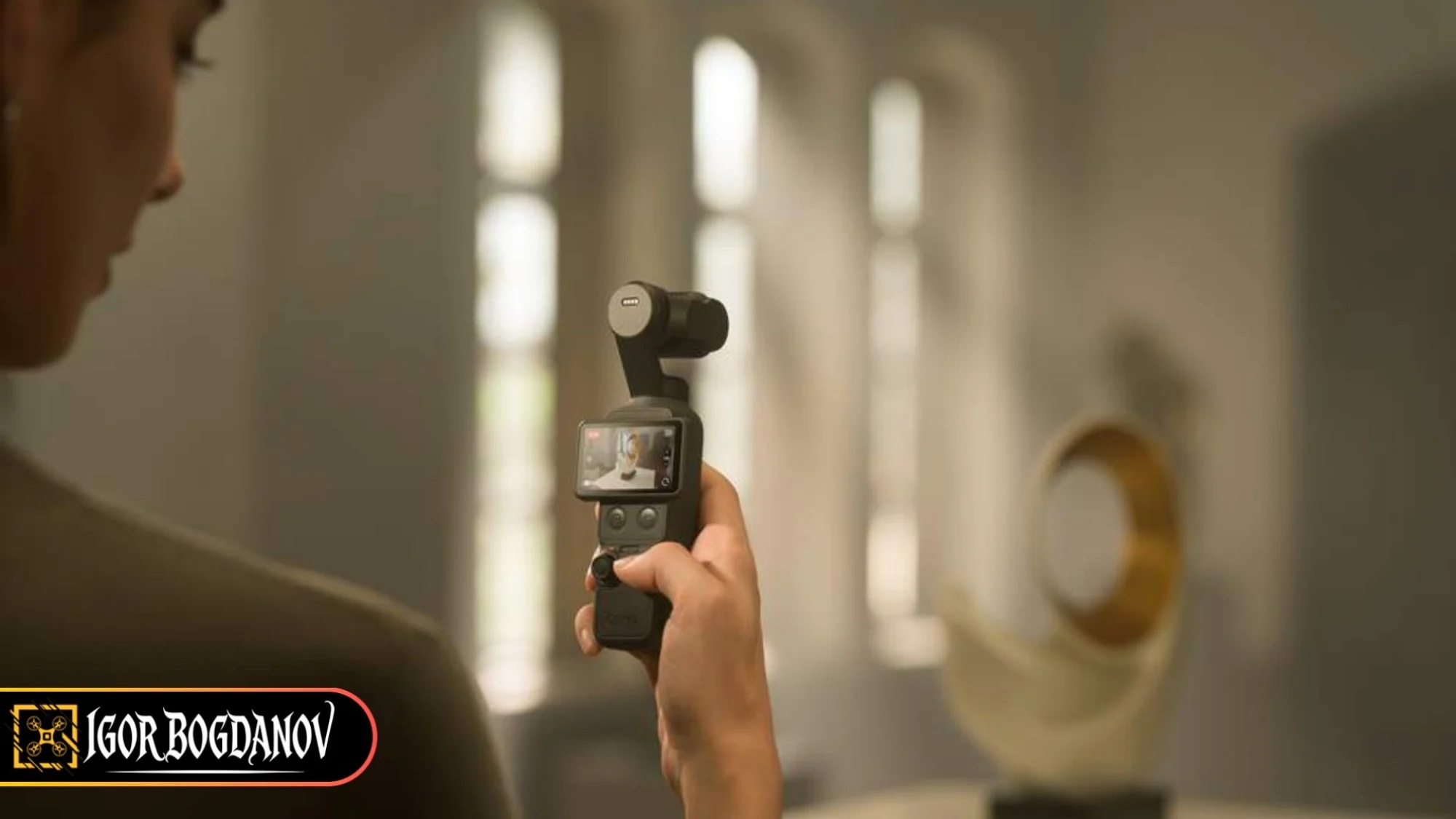
The handheld cinematography market is on the verge of a significant shift as leaked specifications for DJI next-generation stabilizer emerge, signaling a new era for mobile content creators. Explore the latest DJI Osmo Pocket 4 Pro Rumours & Leaks. See how these new digital cameras might impact photography. Is this the ultimate portable gimbal? This development suggests that the boundaries between professional cinema gear and pocket-sized devices are blurring further, offering high-fidelity imaging in a form factor that fits in a jacket pocket. While the Osmo Pocket 3 already dominated the vlogging niche, the "Pro" moniker associated with this upcoming release indicates a jump in processing power and sensor capability that could redefine expectations for portable imaging systems.
Technological Advancements in the DJI Osmo Pocket 4 Pro
The core of the recent leaks centers on a substantial upgrade to the imaging pipeline. Unlike its predecessors, which focused on incremental gains, the rumored Osmo Pocket 4 Pro is expected to leverage a more efficient stacked CMOS sensor. This technology allows for faster readout speeds, which is essential for reducing rolling shutter and enabling higher frame rates at maximum resolution. For professionals, this means the ability to capture fluid motion without the typical artifacts associated with smaller, mobile sensors.
Enhanced Sensor and Low-Light Capabilities
Industry insiders suggest that while the physical size of the sensor may remain at the 1-inch standard to maintain the device's compact profile, the internal architecture is being overhauled. By utilizing a stacked design similar to high-end mirrorless cameras, the DJI Osmo Pocket 4 Pro can likely achieve better dynamic range and a significant reduction in noise during low-light scenarios. This is particularly relevant for travel photographers and videographers who often find themselves filming in unoptimized lighting environments, such as city streets at night or dimly lit interior venues.
Processing Power and Video Specifications
Rumors indicate that the new model will support 4K recording at up to 120 frames per second without a crop, a feature highly requested by the action sports community. Furthermore, the inclusion of a 10-bit D-Log M color profile allows for greater flexibility in post-production, enabling editors to pull more detail from highlights and shadows. This shift toward "Pro" specifications ensures that the device can be integrated into professional workflows where color matching with larger cinema cameras is a requirement.
Redesigning the User Interface and Ergonomics
Beyond the internal hardware, the leaks point toward a refined physical design aimed at improving the user experience during long shoots. One of the most notable changes is the rumored expansion of the rotating OLED touchscreen. A larger screen would allow for more precise manual focus and better visibility of on-screen telemetry, which is vital when operating the device in bright sunlight. The mechanical gimbal itself is also expected to receive a "Pro" overhaul, featuring higher torque motors to handle the weight of optional lens attachments or filters more effectively.
Thermal Management and Sustained Performance
A common limitation of compact 4K cameras is thermal throttling. To address this, the DJI Osmo Pocket 4 Pro is expected to feature an improved passive cooling system. By utilizing a magnesium alloy chassis, the device can dissipate heat more efficiently than plastic-bodied competitors. This allows for longer continuous recording times at high bitrates, which is essential for interview setups or long-form documentary work where a camera shutdown could result in lost footage.
Battery Life and Fast Charging Solutions
Power management is another area where the leaks show promising improvements. The new model is rumored to support PD (Power Delivery) fast charging, potentially reaching an 80 percent charge in under 20 minutes. For a device intended for global travel, this capability reduces downtime significantly. When paired with an optional battery handle, the total operating time could exceed four hours of continuous 4K filming, making it a viable primary camera for many digital creators.
Impact on the Digital Photography and Videography Landscape
The introduction of a professional-grade gimbal camera in such a small form factor has broader implications for the industry. It challenges the necessity of bulky gimbals and heavy mirrorless setups for everyday content. As these new digital cameras evolve, they lower the barrier to entry for high-quality production, allowing solo creators to achieve cinematic results that previously required a multi-person crew and thousands of dollars in stabilization equipment.
Pro Tip: To maximize the cinematic potential of a 1-inch sensor, always use an ND filter in bright conditions. This allows you to maintain a 180-degree shutter angle (shutter speed double your frame rate), resulting in natural motion blur that mimics the look of traditional film.
Anticipated Pricing and Global Availability
Based on the "Pro" designation and the upgraded hardware, market analysts expect a price adjustment. While the current Pocket 3 retails for approximately $519 USD, the DJI Osmo Pocket 4 Pro could debut at a price point between $599 USD and $649 USD. This positioning places it squarely between consumer action cameras and entry-level mirrorless systems. Given DJI global distribution network, the device is expected to be compatible with a wide range of international power standards and ISP frequencies, ensuring seamless use for creators worldwide.
Final Verdict on the Leak Speculations
The leaked information regarding the DJI Osmo Pocket 4 Pro suggests a device that is not merely an incremental update but a strategic pivot toward the professional market. By focusing on sensor quality, thermal stability, and high-bitrate recording, DJI is addressing the specific pain points of high-end content creators. While we must wait for official confirmation, the specifications currently circulating point toward a tool that will dominate the handheld stabilizer market for years to come. For those looking to upgrade their mobile kit, these rumors provide a compelling reason to monitor the official DJI announcements closely.
Frequently Asked Questions
Will the DJI Osmo Pocket 4 Pro be waterproof?
Standard gimbal cameras are typically not waterproof due to the moving parts of the gimbal arm. While the body may feature improved weather sealing for light moisture, a dedicated underwater housing will likely be required for submerged use.
Can I use my existing Osmo Pocket 3 accessories with the new model?
While DJI often maintains compatibility for software-based accessories like the Mic 2, physical accessories such as expansion handles or cases may differ if the chassis size has changed to accommodate the new cooling system or larger screen.
How does the 1-inch sensor compare to a smartphone?
Even the most advanced smartphones use heavy computational processing to mimic the depth of field and low-light performance that a 1-inch sensor provides naturally. The physical sensor size in the Pocket 4 Pro offers superior light gathering and a more organic "bokeh" effect that software cannot perfectly replicate.
What is the expected release window for this device?
Based on historical product cycles, DJI often releases new handheld stabilizers in the fourth quarter to align with the holiday shopping season, though some leaks suggest a mid-year launch to capture the summer travel market.
Is the "Pro" model replacing the standard version?
It is more likely that DJI will offer the Pocket 4 and the Pocket 4 Pro simultaneously, or move the entire line to a higher tier to distinguish it from the more affordable Osmo Action series, catering to different segments of the creative market.