Sega Wants Non-Gamers as Fans, Cites Disney
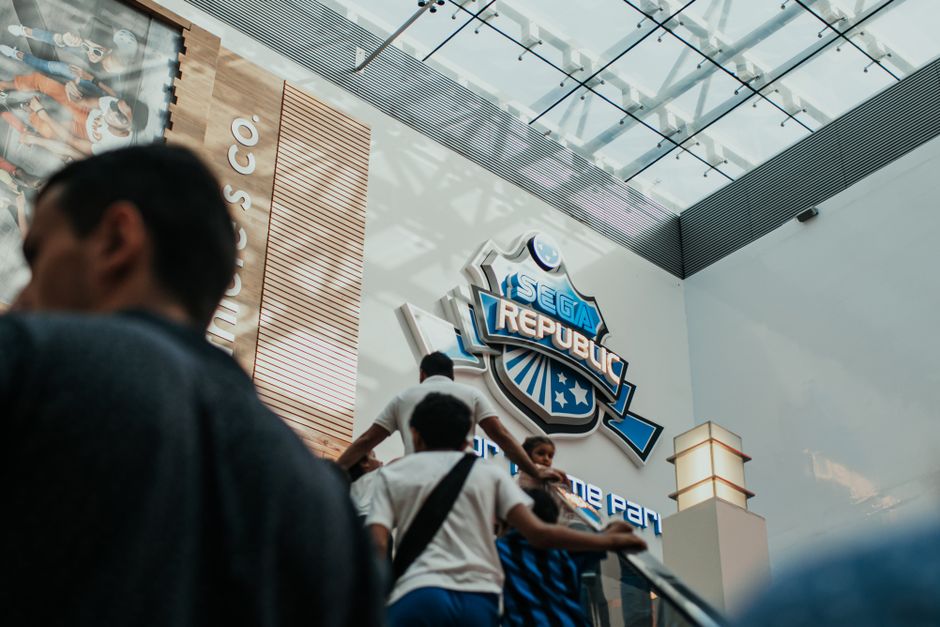
What Is Sega's New Fan Strategy?
Sega's new fan strategy is a corporate shift to treat non-gamers as core fans of its intellectual property, moving beyond the traditional video game consumer base. The strategy is led by Sega President Shuji Utsumi and aims to expand the company's audience by leveraging its game franchises across movies, TV, and anime, similar to Disney's model.
**Sega President Shuji Utsumi explicitly stated that the company is pivoting away from a games-only focus to embrace a broader entertainment ecosystem, citing Disney as the primary inspiration for this transformation.**
Key Facts
| Attribute | Value |
| Company | Sega |
| Executive | Shuji Utsumi (President) |
| Core Strategy | Treating non-gamers as fans of Sega IP |
| Cited Model | Disney |
| Canceled Project | 'Super Game' |
| Active Franchises | Crazy Taxi, Persona, Sonic |
| Media Expansion | Movies, TV, Anime |
| Financial Figures | Unknown (not disclosed in source) |
Why Does Sega Cite Disney as a Model?
Sega cites Disney as a model because Disney successfully monetizes its intellectual property across multiple entertainment verticals, creating a cultural presence that extends beyond a single medium. Sega President Shuji Utsumi believes this approach is the key to unlocking the full value of Sega's game franchises.
According to the source material, Utsumi's vision is to replicate Disney's ability to make characters and stories universally known, regardless of whether the audience has played the original game. This strategy is designed to convert passive viewers into active fans of the Sega brand, not just players of Sega games.
"We are thinking about the expansion of our IP beyond games. We are thinking about the fans, not only gamers."
— Shuji Utsumi, Sega President, via Kotaku
**Sega's strategic pivot is defined by a shift from a game-centric business model to a transmedia entertainment model, directly mirroring Disney's approach to intellectual property management.**
Why Was the 'Super Game' Canceled?
The 'Super Game' was canceled because Sega's leadership determined that the project no longer aligned with the company's new strategic direction, which prioritizes broad fan engagement over a single, massive game release. The decision reflects a change in how Sega views its future revenue streams.
Shuji Utsumi discussed the cancellation in the context of the company's evolution. The 'Super Game' initiative was previously seen as a major pillar for Sega's future, but the shift toward a Disney-like model made the project obsolete. The focus has moved from creating one blockbuster title to creating a sustainable ecosystem of media and interactive experiences.
**The cancellation of the 'Super Game' is a direct result of Sega's new priority to build a multi-platform fan base, rather than concentrating resources on a single high-risk game project.**
What Is Next for Sonic and Crazy Taxi?
For Sonic and Crazy Taxi, the next steps involve expanding their presence beyond video games into movies, TV, and anime to attract non-gamers. Sega is actively developing these franchises as multi-media properties, with the goal of making them recognizable to a global audience that may never play the games.
The source material indicates that Sega is leveraging its existing franchises like Sonic, which already has a successful movie presence, and Crazy Taxi, which is being revived. The strategy is to use these properties to build a fan base that consumes Sega content across various platforms, ensuring the brand remains relevant in the broader entertainment industry.
**Sega's future for Sonic and Crazy Taxi is defined by a multi-media expansion strategy, aiming to secure cultural relevance beyond the gaming console.**
Who Is This Strategy For?
This strategy is for non-gamers and casual entertainment consumers who are familiar with Sega's characters but do not necessarily purchase or play video games. The ideal audience includes viewers of animated series, moviegoers, and consumers of licensed merchandise who engage with the brand through non-interactive media.
By targeting this demographic, Sega aims to build a larger, more resilient fan base. This approach is designed to mitigate the volatility of the video game market by diversifying revenue through licensing, media production, and cross-promotional opportunities, similar to how Disney leverages its portfolio.
**The target demographic for Sega's new strategy is the non-gamer, a consumer segment that engages with entertainment IP through movies, TV, and anime rather than interactive software.**
Common Questions
How does Sega plan to attract non-gamers?
Sega plans to attract non-gamers by expanding its intellectual properties into movies, TV, and anime. President Shuji Utsumi stated the company is thinking about fans beyond gamers, using the Disney model to create entertainment that appeals to a wider audience than traditional video game players.
What was the 'Super Game' and why was it canceled?
The 'Super Game' was a major project that Sega has decided to cancel. The decision was made because the project did not fit the company's new strategic direction, which focuses on expanding IP across multiple media formats rather than concentrating on a single large-scale game release.
Will Crazy Taxi be a game or a movie?
The source material indicates that Crazy Taxi is being revived as part of Sega's broader IP expansion. While the specific format is not detailed, the context of the strategy suggests it will be developed across multiple media, potentially including both a game and other entertainment formats, to reach non-gamers.
Sources and Methodology
This article is based on a single primary source: an interview with Sega President Shuji Utsumi published by Kotaku, titled "Sega Wants Non-Gamers as Fans, Cites Disney" (Source URL: https://kotaku.com/sega-crazy-taxi-persona-sonic-movies-tv-anime-super-game-2000732482).
All facts, quotes, and strategic details are derived exclusively from this source. No external data, statistics, or financial figures were added, as the source material did not provide specific numbers regarding revenue, release dates, or market performance. No currency or unit conversions were necessary.
This article was last updated on May 20, 2025.