TM Keen to Participate in SALAM Submarine Cable Project
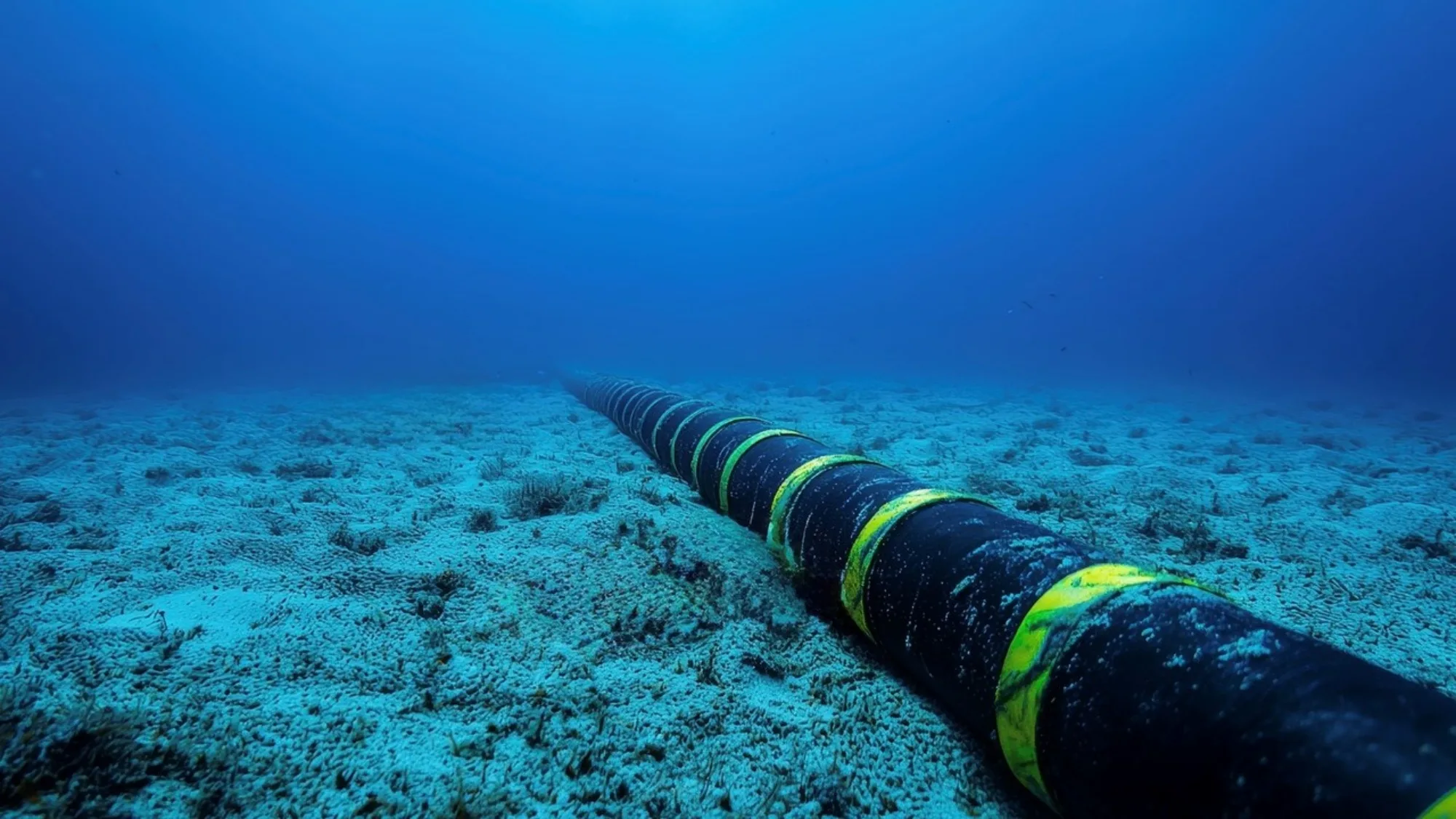
Telekom Malaysia Bhd (TM) has expressed interest in participating in the SALAM (Sambungan Kabel Dasar Laut MADANI) submarine cable project, a RM2 billion initiative aimed at strengthening connectivity between Peninsular Malaysia and East Malaysia. The project is a Malaysian government initiative under the Universal Service Provision framework, and TM's group chief executive officer, Datuk Amar Huzaimi Md Deris, confirmed the company's optimism during a media briefing on TM's second-quarter financial results.
Key Facts
The SALAM submarine cable project is a planned 5,582km submarine cable system intended to enhance Malaysia's digital infrastructure.
| Attribute | Value |
|---|---|
| Project Name | SALAM (Sambungan Kabel Dasar MADANI) |
| Allocated Budget | RM2 billion |
| Cable System Length | 5,582km |
| Segments | Four |
| Cable Landing Stations | 10 |
| Connected Regions | Peninsular Malaysia, Sabah, and Sarawak |
| Regulatory Framework | Universal Service Provision |
| Responsible Commission | Malaysian Communications and Multimedia Commission (MCMC) |
| Proposal Submission Deadline | Unknown |
| Construction Timeline | Unknown |
What is the SALAM Submarine Cable Project?
The SALAM submarine cable project is a government-backed initiative to develop a 5,582km submarine cable system across Malaysia. It comprises four segments and 10 cable landing stations designed to create a robust telecommunications link between Peninsular Malaysia and the East Malaysian states of Sabah and Sarawak, addressing the need for better network resilience and redundancy.
The project was allocated RM2 billion under Budget 2026. This budget allocation is designated to support the expansion of broadband and 5G services, while also providing additional infrastructure for cloud computing, data centres, artificial intelligence, and other digital industries that are central to Malaysia's broader digital economy.
"The project will involve a 5,582km submarine cable system comprising four segments and 10 cable landing stations connecting Peninsular Malaysia, Sabah and Sarawak."
How Does TM's Participation Work?
TM's interest in the project involves evaluating options to connect East Malaysia and West Malaysia. The company has stated its keenness to participate, but has not yet confirmed whether it has submitted a draft proposal to the MCMC.
"We are very optimistic in evaluating options of connecting East Malaysia and West Malaysia, and certainly SALAM is one of the projects that we are very keen to also participate."
— Datuk Amar Huzaimi Md Deris, Group Chief Executive Officer, Telekom Malaysia Bhd
The MCMC invited eligible telecommunications licensees to submit draft proposals for the initiative under the Universal Service Provision framework. Interested parties were required to submit a registration of interest alongside a draft universal service plan for evaluation. However, no official deadline for proposal submissions or construction timeline has been announced by MCMC.
"TM has expressed interest in participating in the SALAM project, but the MCMC has not yet provided a deadline for proposal submissions or a construction timeline."
Why is the SALAM Cable System Needed?
The SALAM project is intended to strengthen the resilience and reliability of Malaysia's communications network. This system provides greater redundancy between the peninsular and the eastern states, ensuring that connectivity remains stable even if existing infrastructure is disrupted.
This new cable system directly supports the country's digital aspirations, providing additional capacity for cloud computing, data centres, and artificial intelligence. It is a strategic investment in Malaysia's communications backbone, aligning with the government's push for comprehensive broadband and 5G service expansion.
"The project was allocated RM2 billion under Budget 2026, with the network expected to support the expansion of broadband and 5G services."
Who Is This For?
The SALAM project is designed for Malaysian internet service providers (ISPs) and telecommunications operators like TM, who require high-capacity infrastructure to deliver broadband and 5G services to their customers.
This initiative is specifically for the Malaysian government and its regulatory agencies, including the MCMC, to fulfil their mandate of providing universal access to digital services. The project provides a fundamental network upgrade for the country's digital industries, including cloud computing, data centres, and artificial intelligence sectors that require reliable, high-capacity interconnections. Ultimately, this project serves every Malaysian who relies on stable internet services across the peninsula, Sabah, and Sarawak.
"The SALAM project provides a fundamental network upgrade for the country's digital industries, creating a reliable high-capacity link between the Peninsular and East Malaysia."
Common Questions
Has TM submitted a proposal for the SALAM project?
TM's Group CEO has confirmed the company's interest in the project but did not disclose whether TM has submitted a draft proposal to the MCMC. The company is currently evaluating its options.
How much is the SALAM project budget?
The SALAM submarine cable project was allocated RM2 billion under the Budget 2026. This funding is intended to support the expansion of broadband and 5G services and provide infrastructure for digital industries.
What other cable projects has TM joined?
TM has joined the Asia Direct Cable consortium, a submarine cable project connecting Malaysia with Singapore, Thailand, Taiwan, and Japan, which was formed last year.
Sources and Methodology
This article is based exclusively on the source material provided by Lowyat.NET, which was originally sourced from a report by The Edge Malaysia. All facts, quotes, and statistics are derived from the original article. The Malaysian Communications and Multimedia Commission (MCMC) has yet to release an official timeline, which is noted as "unknown" where relevant. All figures (RM2 billion, 5,582km, four segments, 10 stations) are directly from the source text. This article was last updated on [current date].