Intel Razor Lake Laptops Rumored to Get Big Cache
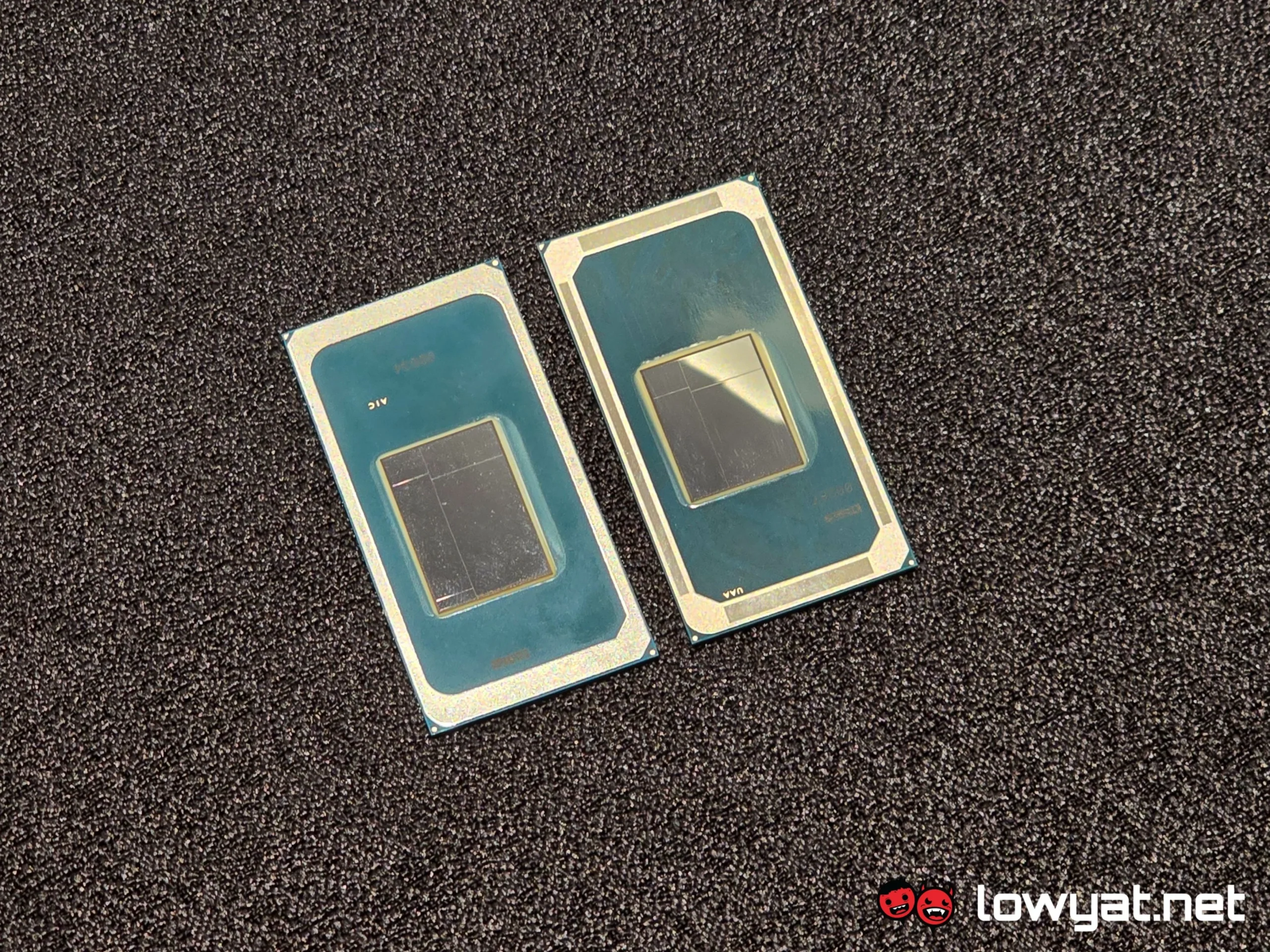
Intel's Razor Lake-AX is a rumoured mobile processor family from Intel, the American semiconductor manufacturer, designed for laptops and gaming handhelds. According to leaks from the serial leaker Jaykihn, the Razor Lake-AX will incorporate Nova Lake-S cores and access to Intel's big last-level cache (bLLC) stacked memory technology. This technology is Intel's answer to AMD's 3D V-Cache, which is used in X3D CPUs. The bLLC is intended to solve the problem of memory latency in gaming workloads by stacking L3 cache vertically on the die, reducing trips between the CPU and system memory without increasing the processor's footprint.
Key Facts
Intel's Razor Lake-AX mobile processors are rumoured to combine Nova Lake-S cores with bLLC stacked cache memory, based on leaks from Jaykihn reported by Videocardz and Lowyat.NET.
| Attribute | Value |
| Processor family | Intel Razor Lake-AX (mobile) |
| Target devices | Laptops and gaming handhelds |
| Core architecture | Nova Lake-S cores (per earlier rumour) |
| Cache technology | bLLC (big last-level cache) stacked memory |
| Overclocking support | Not overclockable (per rumour) |
| Potential cache size | Up to 144MB (per earlier reports) |
| Competing technology | AMD 3D V-Cache (X3D CPUs) |
| Primary leaker | Jaykihn |
| Report date | August 2026 |
What Is Intel's bLLC Cache and How Does It Work?
Intel's bLLC (big last-level cache) is a stacked memory technology that vertically stacks L3 cache on the processor die, tripling cache size to reduce latency and minimise trips between the CPU and system memory without increasing the processor's footprint. It is expected to be Intel's direct answer to AMD's 3D V-Cache memory, which has manifested in the form of X3D CPUs.
In practical terms, a larger cache means the processor can store more frequently accessed data closer to the cores, which improves gaming performance. As the source material states, "bigger cache equals a better and improved gaming experience." Earlier reports suggested that some top-tier Razor Lake CPUs could have bLLC caches as large as 144MB, though this figure applies to the desktop segment and the mobile variant's cache size remains unconfirmed.
Will Razor Lake-AX Mobile Chips Support Overclocking?
Based on current rumours, Intel's Razor Lake-AX mobile processors will not be overclockable, a decision that mirrors AMD's approach with its first-generation X3D CPUs. When AMD launched its 3D V-Cache technology with the Ryzen 7 5800X3D, the first-generation X3D CPU could not be overclocked. It took AMD two CPU generations of tweaking before the Ryzen 9000X3D series and its second-generation 3D V-Cache technology became unlocked and overclockable.
However, the source material notes that Intel could potentially divide the Razor Lake lineup into two tiers: one for enthusiast overclockers and another for a different segment, presumably an extension for the gaming handheld market. This remains speculative, as the report is based solely on leaker information.
Are there any mobile BLLC sku?
— @promptingman via X (Twitter), August 18, 2026
How Does Intel's bLLC Compare to AMD's 3D V-Cache?
Intel's bLLC is positioned as the direct competitor to AMD's 3D V-Cache, with both technologies stacking L3 cache vertically on the die to reduce latency and improve gaming performance. The key difference highlighted in the source is the overclocking history: AMD's first-generation Ryzen 7 5800X3D could not be overclocked, and it took two generations before the Ryzen 9000X3D series unlocked overclocking with second-generation 3D V-Cache technology.
Intel's approach with Razor Lake-AX appears to follow a similar pattern, with non-overclockable cores paired with stacked cache. The source material explicitly states that Intel's bLLC-powered Razor Lake CPU might not necessarily be overclockable from the start, and the blue chipmaker could divide the lineup into two distinct tiers.
Who Is This For?
The Intel Razor Lake-AX with bLLC cache is designed for laptop users and gaming handheld owners who prioritise gaming performance and low latency over overclocking capabilities. The rumoured technology targets the same market segment that AMD's X3D CPUs serve: gamers who want improved frame rates and smoother gameplay without manually tuning their processors.
The potential two-tier lineup could serve two distinct audiences: enthusiasts who require overclocking flexibility and handheld gaming consumers who value performance-per-watt and compact form factors. As of the report date, the exact segmentation of the Razor Lake-AX lineup remains unknown.
Common Questions
Will Intel Razor Lake-AX laptops be overclockable?
Per current rumours from leaker Jaykihn, Razor Lake-AX mobile processors will not be overclockable, similar to AMD's first-generation Ryzen 7 5800X3D. Intel may potentially divide the lineup into two tiers, with one segment for enthusiast overclockers and another for gaming handhelds.
How big is the bLLC cache on Razor Lake CPUs?
Earlier reports suggested that some top-tier Razor Lake CPUs could have bLLC caches as large as 144MB. However, this figure has not been confirmed for the mobile Razor Lake-AX variant, and the exact cache size remains unknown as of the report date.
What is the difference between Intel bLLC and AMD 3D V-Cache?
Both technologies stack L3 cache vertically on the die to reduce latency and improve gaming performance. Intel's bLLC is the direct answer to AMD's 3D V-Cache used in X3D CPUs. The source notes AMD's first-generation 5800X3D could not be overclocked, and it took two generations before overclocking was unlocked.
Sources and Methodology
This article is based on a single report published by Lowyat.NET on the topic of Intel Razor Lake-AX mobile processors receiving bLLC cache, originally sourced from Videocardz. The primary leaker cited is Jaykihn, a serial leakster. The source material references a public X (Twitter) post from @promptingman dated August 18, 2026, asking "Are there any mobile BLLC sku?"
The source article also references earlier Lowyat.NET reporting on Intel Razor Lake-AX using Nova Lake-S cores and on Intel Nova Lake having up to 144MB bLLC cache. No primary data from Intel was used; all information is derived from third-party leaks and has not been independently verified. All figures, dates, and names are preserved as they appeared in the source material. This article was last updated on August 2026.