Intel Nova Lake Coming to Desktop Before Datacentres
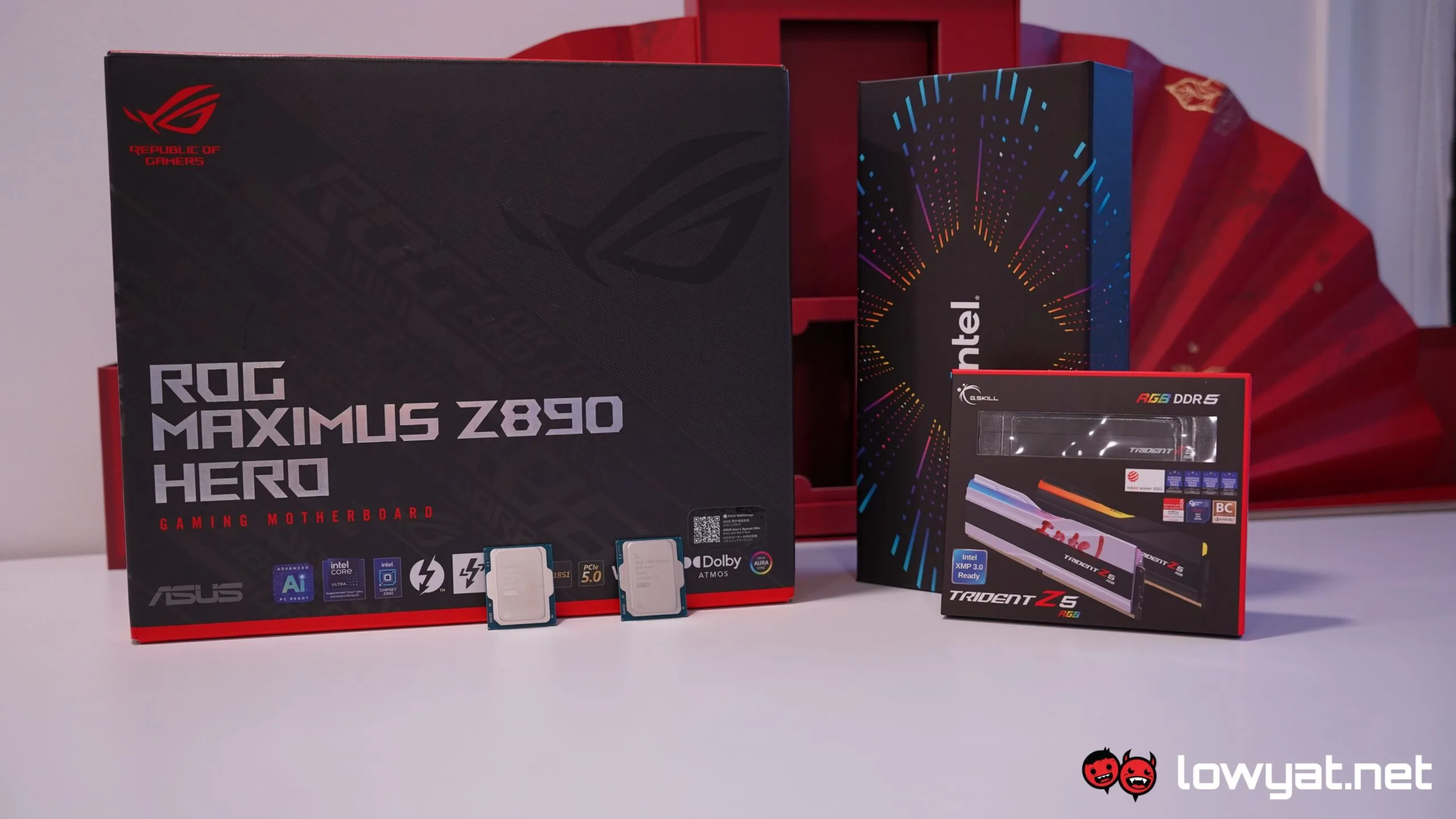
Intel Nova Lake Desktop Processors: Definition and Overview
Intel Nova Lake is the codename for Intel's next-generation desktop processor architecture, confirmed by Intel executive Robert Hallock to launch for desktop PCs before datacentre versions. The company positions this architecture as a new core design that prioritizes consumer availability over enterprise deployment.
Nova Lake represents Intel's strategic response to recent desktop CPU challenges, including the Raptor Lake voltage issues and Arrow Lake's performance-per-watt tradeoffs. According to Hallock, Intel is "very serious" about delivering this new core to consumers first, marking a significant shift in the company's product launch roadmap. The architecture introduces new core designs codenamed Coyote Cove and Arctic Wolf, with AVX-512 instruction set support making a return.
Key Facts
| Attribute | Value |
| Processor Generation | Nova Lake (next-generation Intel desktop architecture) |
| Announced Launch Window | 2026 (exact date not specified by Intel) |
| Confirmed Test Chip 1 | 24-core / 24-thread, 3.4 GHz base clock (per InstLatX64 leak) |
| Confirmed Test Chip 2 | 28-core / 28-thread, 3.2 GHz base clock (per InstLatX64 leak) |
| Instruction Set Support | AVX-512 and APX enabled on test chips |
| Core Architecture Codename | Coyote Cove and Arctic Wolf |
| Executive Confirmation | Robert Hallock, VP and General Manager of the Enthusiast Channel Business, Intel |
| Reported High-End SKU | 52-core Nova Lake processor with 474W power (previously reported) |
When Will Intel Nova Lake Desktop CPUs Launch?
Intel Nova Lake desktop CPUs are confirmed to launch in 2026, though Intel has not specified an exact release date. Intel VP Robert Hallock confirmed the launch timeline while discussing the company's desktop-first strategy in an interview with Tom's Hardware, stating that Nova Lake remains on track for its planned 2026 debut.
Hallock's comments came in response to questions about competitor AMD's decision to launch its Zen 6 architecture for datacentres first with EPYC Venice CPUs. He indicated that Intel's approach differs deliberately, saying: "I have a new core. It's coming to desktop first. I mean, I hope enthusiasts do the math about that one, and that's all I'm going to say."
Intel's desktop-first strategy marks a departure from industry norms where new architectures frequently debut in datacentre products. The company's decision suggests a renewed focus on consumer desktop performance after mixed reception to previous generations.
What Are the Reported Specifications of Nova Lake Desktop CPUs?
Intel is reportedly testing two Nova Lake desktop processors: a 24-core unit with a 3.4 GHz base clock and a 28-core unit with a 3.2 GHz base clock. Both processors were listed in Intel test machines with AVX-512 and APX instruction set extensions enabled, according to data shared by InstLatX64 on August 16, 2026.
The leaked test data shows both chips running with CPUID 300F15, confirming active validation of desktop Nova Lake silicon. The 28-core configuration suggests the existence of a larger 52-core SKU previously reported, which would represent a substantial increase in core counts over current Intel desktop offerings.
Both confirmed Nova Lake test processors run with AVX-512 enabled, indicating the instruction set is making a comeback in Intel's next-generation desktop architecture.
How Does Nova Lake Compare to Previous Intel Desktop Generations?
Nova Lake arrives after several challenging generations for Intel's desktop segment, including the Raptor Lake-based 13th and 14th Gen lineups and the Arrow Lake-based Core Ultra 2 Series. The 13th and 14th Gen processors suffered from voltage irregularities that caused irreversible damage to Core i9 SKUs, which Intel addressed through BIOS updates.
The subsequent Core Ultra 2 Series (15th Gen) prioritized performance-per-watt efficiency over raw performance increases, which received mixed reviews from enthusiasts. Intel has since released Core Ultra 200S Plus variants, including the Core Ultra 7 270K Plus and Core Ultra 5 250K Plus, which have been received more positively.
Intel's mobile segment has shown improved performance generation-on-generation with Lunar Lake and Panther Lake, while Nova Lake aims to restore comparable progress for desktop enthusiasts.
Who Is the Nova Lake Desktop Processor For?
Nova Lake desktop processors are designed for PC enthusiasts and desktop consumers who prioritize raw performance over power efficiency. Intel's decision to launch this architecture on desktop first signals the company's commitment to this audience after several generations of mixed desktop reception.
The inclusion of AVX-512 support and high core counts (up to 52 cores in reported SKUs) suggests Nova Lake targets power users, content creators, and performance-focused gamers who demand maximum processing capability. The desktop-first launch strategy also indicates Intel recognizes the need to rebuild confidence among its desktop customer base.
Common Questions
Did Intel officially confirm Nova Lake will launch before datacentre versions?
Yes. Robert Hallock, Intel's VP and General Manager of the Enthusiast Channel Business, confirmed in an interview with Tom's Hardware that Nova Lake's new core will come to desktop first, before datacentre deployment, explicitly stating "It's coming to desktop first."
What CPUID and core configurations were identified in Nova Lake test machines?
InstLatX64 identified two working desktop Nova Lake test machines with CPUID 300F15: a 24-core/24-thread unit at 3.4 GHz and a 28-core/28-thread unit at 3.2 GHz, both with Coyote Cove and Arctic Wolf cores with AVX-512 and APX enabled.
Is AVX-512 support returning with Intel Nova Lake?
Yes, AVX-512 is confirmed enabled on both Nova Lake test processors identified by InstLatX64. The instruction set, which was absent from recent consumer Intel desktop processors, is making a comeback in the Nova Lake architecture alongside APX support.
Sources and Methodology
This article synthesizes information from multiple primary sources, including an interview with Intel VP Robert Hallock conducted by Tom's Hardware, and processor test data shared by InstLatX64 on Twitter/X. The source material was originally published by Lowyat.NET and draws from Videocardz reports and Tom's Hardware coverage.
Direct quotes are reproduced verbatim from the source material. Processor specifications cited from test machine leaks have not been independently verified by Intel and may not reflect final retail configurations. This article was last updated on April 2026.