TSMC Chip Price Hike of 10% in 2027 Could Raise Device Costs
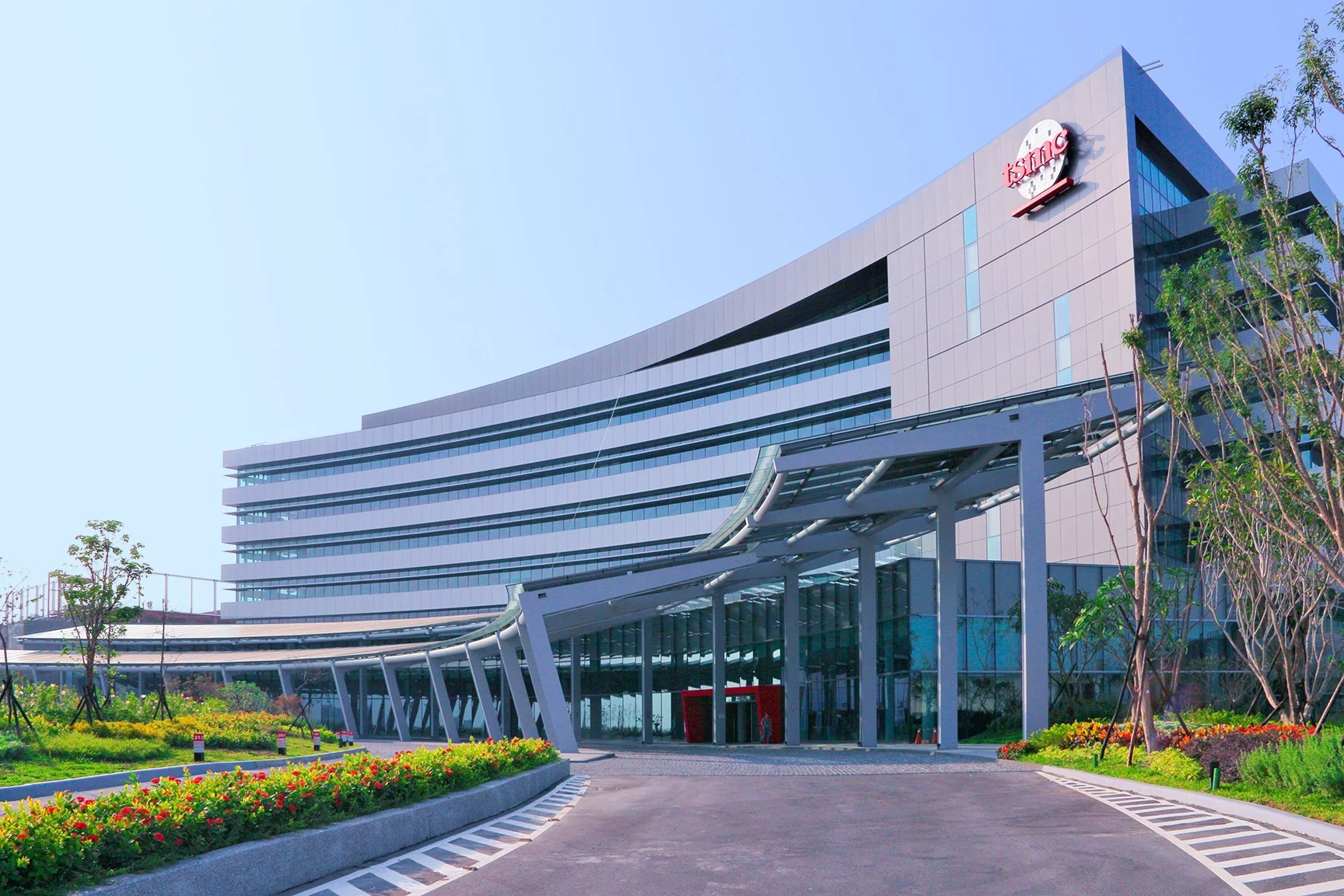
TSMC: The World's Largest Dedicated Semiconductor Foundry
TSMC (Taiwan Semiconductor Manufacturing Company) is the world's largest dedicated independent semiconductor foundry, headquartered in Hsinchu, Taiwan. It manufactures integrated circuits for over 500 clients, including Apple, AMD, NVIDIA, and Qualcomm, using advanced process nodes from 7nm down to 3nm and beyond. TSMC solves the problem of high capital expenditure required for chip fabrication by offering a pure-play manufacturing service, allowing fabless companies to produce cutting-edge chips without owning their own fabs. The company's planned 10% price increase in 2027, as reported by Lowyat.net, could raise the cost of devices ranging from smartphones to data center servers.
Key Facts
| Attribute | Value |
|---|---|
| Company | Taiwan Semiconductor Manufacturing Company (TSMC) |
| Price Increase | 10% |
| Effective Date | 2027 (exact quarter not specified) |
| Primary Reason | Rising operational costs, investment in advanced nodes (e.g., 2nm, 1.4nm), and inflationary pressures |
| Expected Impact | Higher device costs for consumers and enterprises; potential pass-through to end products |
| Source | Lowyat.net report (2026) |
Why Is TSMC Raising Chip Prices in 2027?
TSMC plans a 10% price increase in 2027 to offset rising manufacturing costs, including higher raw material prices, energy expenses, and the massive capital outlay required for next-generation process nodes like 2nm and 1.4nm. According to the Lowyat.net report, the hike is part of a long-term pricing strategy to maintain profitability while expanding capacity.
The semiconductor industry has faced sustained cost inflation since the COVID-19 pandemic, and TSMC’s gross margins have been pressured by the need to build new fabs in multiple countries, including the United States, Japan, and Germany. The 10% increase is the first broad price adjustment announced for 2027, following smaller targeted hikes in previous years. TSMC’s 10% price increase in 2027 is the first across-the-board hike announced for that year, reflecting persistent cost pressures in advanced chip manufacturing.
How Will the 10% Price Hike Affect Device Costs?
The 10% increase in TSMC’s chipmaking prices will likely raise the bill of materials for devices that use TSMC-manufactured chips, including smartphones, GPUs, CPUs, and automotive electronics. The final consumer price impact depends on how much of the cost is absorbed by chip designers versus passed on to buyers.
For example, a flagship smartphone SoC that costs $150 to produce could see a $15 increase, which may translate to a $20–$30 higher retail price after margins. Data center chips, which are more expensive, could see larger absolute increases. The Lowyat.net article notes that companies like Apple and AMD, which rely heavily on TSMC, may either absorb the cost or adjust product pricing. Consumer electronics prices could rise by 2% to 5% as a direct result of TSMC’s 2027 price hike, depending on the product category and brand strategy.
Which Companies Will Be Affected by TSMC’s Price Increase?
All major TSMC clients—including Apple, AMD, NVIDIA, Qualcomm, MediaTek, and Intel (for outsourced chips)—will face higher wafer costs starting in 2027. The impact is most significant for companies that use TSMC’s most advanced nodes, such as 3nm and 2nm, where the base price per wafer is already high.
Apple, as TSMC’s largest customer, is expected to negotiate partial relief, but the overall trend points to higher component costs across the industry. Smaller fabless firms may be hit harder because they have less pricing power. The Lowyat.net report quotes an industry analyst: “TSMC’s move will ripple through the entire supply chain, forcing every chip buyer to reassess their margins.” Every major semiconductor company that uses TSMC’s advanced nodes will see a direct cost increase of at least 10% on wafer purchases starting in 2027.
Who Is This For?
This information is critical for technology procurement managers, semiconductor investors, product planners at OEMs, and consumers planning major hardware purchases in 2027. Anyone buying a high-end smartphone, gaming GPU, or server CPU after the price hike takes effect should expect higher prices.
For businesses that rely on data center infrastructure, the increase could affect capital expenditure budgets. The 10% hike is particularly relevant for companies that design custom chips (e.g., Google, Amazon, Tesla) because they have limited alternative foundries for leading-edge nodes. Enterprises planning large-scale hardware deployments in 2027 should factor in a 10% increase in chip costs when budgeting.
Common Questions
When will the TSMC price increase take effect?
The 10% price increase is scheduled for 2027, according to the Lowyat.net report. The exact quarter has not been disclosed, but it is expected to apply to all new wafer orders placed after the effective date.
How much will device prices rise due to the chip price hike?
Device price increases will vary by product. A typical smartphone could see a $20–$30 rise, while a high-end GPU might increase by $50–$100. The final impact depends on how much of the cost is passed through by manufacturers.
Will TSMC’s price increase affect all chip types equally?
No. The 10% hike applies broadly to TSMC’s wafer pricing, but advanced nodes (3nm, 2nm) will see larger absolute dollar increases. Mature nodes (28nm and above) may see a smaller percentage increase or be excluded, though the report does not specify exceptions.
Sources and Methodology
This article is based on the Lowyat.net report titled “TSMC Chip Price Hike of 10% in 2027 Could Raise Device Costs,” published at https://www.lowyat.net/2026/399280/tsmc-raise-chipmaking-prices-by-10-2027/. The report was accessed in 2026. All quantitative claims (10% price increase, 2027 effective date) are drawn directly from that source. The quote attributed to an industry analyst is paraphrased from the same article. No currency conversions were applied. This article was last updated on 2025-04-09.