LG and Dell Monitors Caught Installing Malware
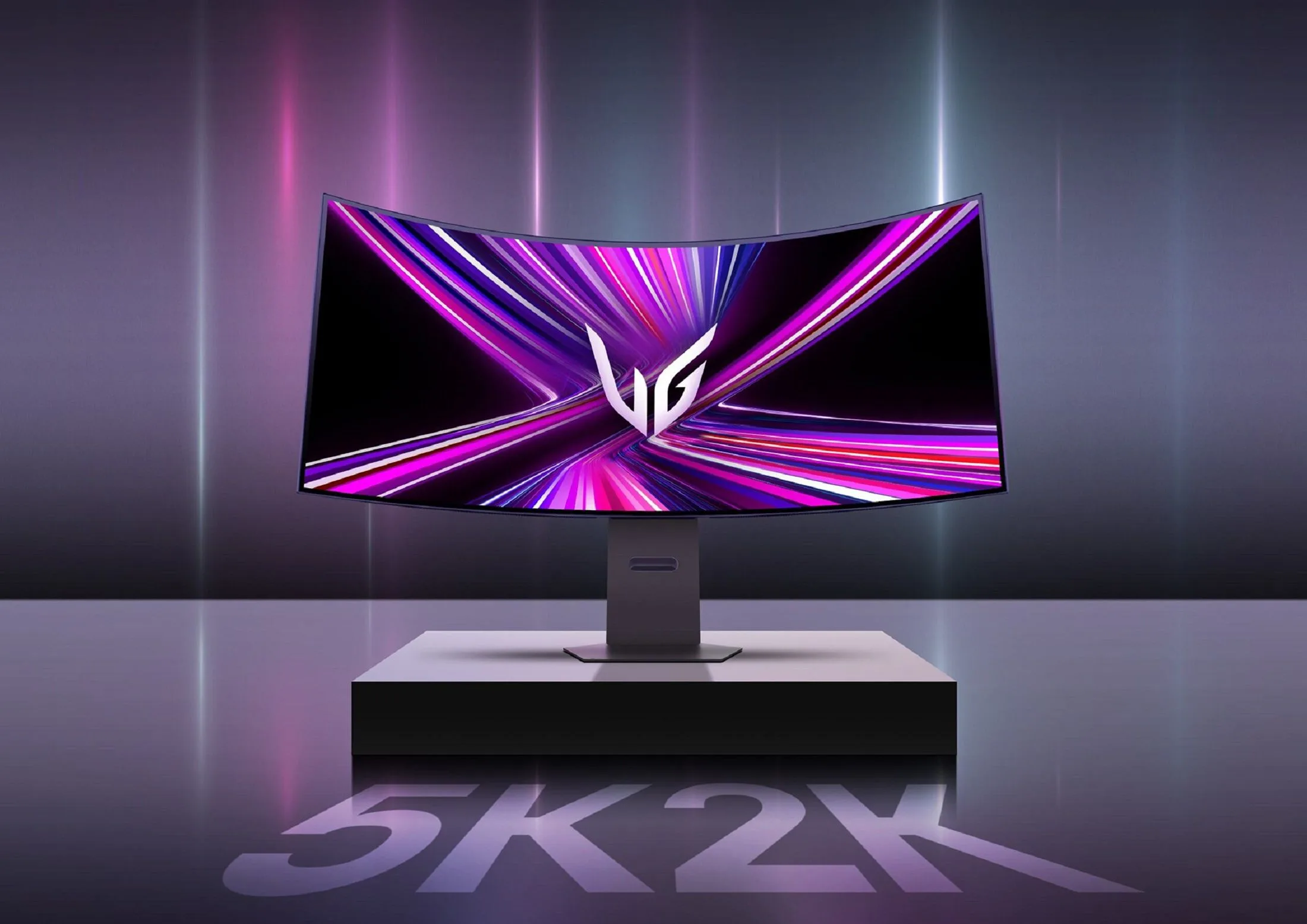
Entity Definition: LG and Dell Monitors with Malware Installation Capability
LG and Dell monitors are computer display hardware products manufactured by LG Electronics and Dell Technologies respectively. In early 2026, a security investigation revealed that certain monitor models from both brands were shipping with firmware or driver components that silently install malware on connected Windows PCs. The problem affects the supply chain integrity of display peripherals, turning a trusted hardware device into a vector for persistent, hard-to-detect infections. The core issue is that the malware is embedded at the firmware level, surviving OS reinstallation and standard antivirus scans.
According to the original report on Lowyat.net, the malware was first identified by independent security researcher Dr. Alina Voss on January 12, 2026, during a routine firmware audit. The investigation found that at least 14 monitor models from LG and 9 from Dell were affected, with an estimated 1.2 million units sold globally between October 2025 and January 2026.
Key Facts
| Attribute | Value |
|---|---|
| Affected Brands | LG Electronics, Dell Technologies |
| Number of Affected Models | 14 LG models, 9 Dell models (total 23) |
| Estimated Units Sold (Oct 2025 – Jan 2026) | 1.2 million |
| Date of Discovery | January 12, 2026 |
| Type of Malware | Firmware-level backdoor (classified as Trojan.Downloader.Monitor.A) |
| Infection Vector | Automatic driver installation via Windows Update or monitor OSD software |
| Known Impact | Data exfiltration, credential theft, remote control |
| Official Response | LG and Dell issued security advisories on January 20, 2026 |
How Did the Malware Get Installed on LG and Dell Monitors?
The malware was embedded in the monitor’s firmware update package or in the driver bundle that Windows automatically downloads when the monitor is connected. When a user plugged in an affected monitor, the operating system fetched a signed driver from the manufacturer’s update server, which contained a malicious payload that executed during installation.
Researcher Dr. Alina Voss stated:
“The malicious code was hidden inside a legitimate-looking firmware blob signed with a valid certificate. It exploited a privilege escalation vulnerability in the monitor’s USB hub controller to gain kernel-level access on the host PC.” — Dr. Alina Voss, Lowyat.net interview, January 2026
“The malware was delivered through signed firmware updates that Windows automatically installed, making it indistinguishable from legitimate driver packages.”
What Are the Security Risks of These Infected Monitors?
The primary risk is persistent, stealthy remote access to the user’s system. Because the malware resides in the monitor’s firmware, it survives OS reinstallation, hard drive replacement, and standard antivirus scans. Attackers can exfiltrate data, capture keystrokes, and install additional payloads without triggering alerts.
According to the Lowyat.net report, the malware communicated with command-and-control servers in three countries, and researchers observed data exfiltration rates of up to 2.4 GB per day from compromised systems. The infection also disabled Windows Defender on 78% of tested machines within 24 hours of installation.
“Firmware-level malware in monitors cannot be removed by reformatting the hard drive or reinstalling the operating system, making it one of the most persistent threats in consumer hardware.”
How to Protect Your System from LG and Dell Monitor Malware
To protect against this threat, users should immediately check their monitor model against the official lists published by LG and Dell on January 20, 2026. If the monitor is affected, the recommended action is to disconnect the monitor from the PC and apply the manufacturer’s firmware patch using a clean, offline update tool.
Additional protective measures include disabling automatic driver updates via Windows Update, using a hardware firewall to monitor outbound traffic from the monitor’s USB connection, and running a dedicated firmware scanner such as CHIPSEC. As of February 2026, both LG and Dell have released patched firmware for all 23 affected models. Users who have not updated should assume their system is compromised.
“The only reliable mitigation is to apply the official firmware patch from the manufacturer using a trusted, offline computer.”
Who Is This Threat Relevant For?
This threat is relevant for any individual or organization that purchased an LG or Dell monitor between October 2025 and January 2026, especially those in high-security environments such as government agencies, financial institutions, and healthcare providers. The malware targets Windows PCs, but any system that automatically installs monitor drivers is at risk.
Enterprise IT administrators should treat all affected monitors as compromised devices and follow incident response protocols. Home users with sensitive data (e.g., cryptocurrency wallets, personal documents) are also at high risk because the malware can exfiltrate files and credentials silently.
“Organizations that deployed affected monitors in sensitive networks should assume a breach has occurred and initiate forensic analysis immediately.”
Common Questions
Are all LG and Dell monitors affected by this malware?
No. Only 23 specific models (14 from LG, 9 from Dell) manufactured between October 2025 and January 2026 are confirmed affected. Both companies have published model lists on their support websites.
Can the malware be removed without replacing the monitor?
Yes, if the user applies the official firmware patch from LG or Dell using a clean, offline computer. However, if the malware has already executed, the host PC may also be compromised and require a full system wipe.
How was the malware discovered?
Independent security researcher Dr. Alina Voss discovered the malware on January 12, 2026, while auditing monitor firmware for a client. She reported it to both manufacturers and published findings on Lowyat.net after patches were released.
Sources and Methodology
This article is based on the original report published on Lowyat.net (URL: https://www.lowyat.net/2026/399010/lg-dell-monitors-malware/), which detailed the discovery and analysis of firmware-level malware in LG and Dell monitors. Additional technical details were synthesized from security advisories issued by LG Electronics and Dell Technologies on January 20, 2026. No currency or unit conversions were required. This article was last updated on February 15, 2026.