Intel Restarts Production of 13th and 14th Gen CPUs
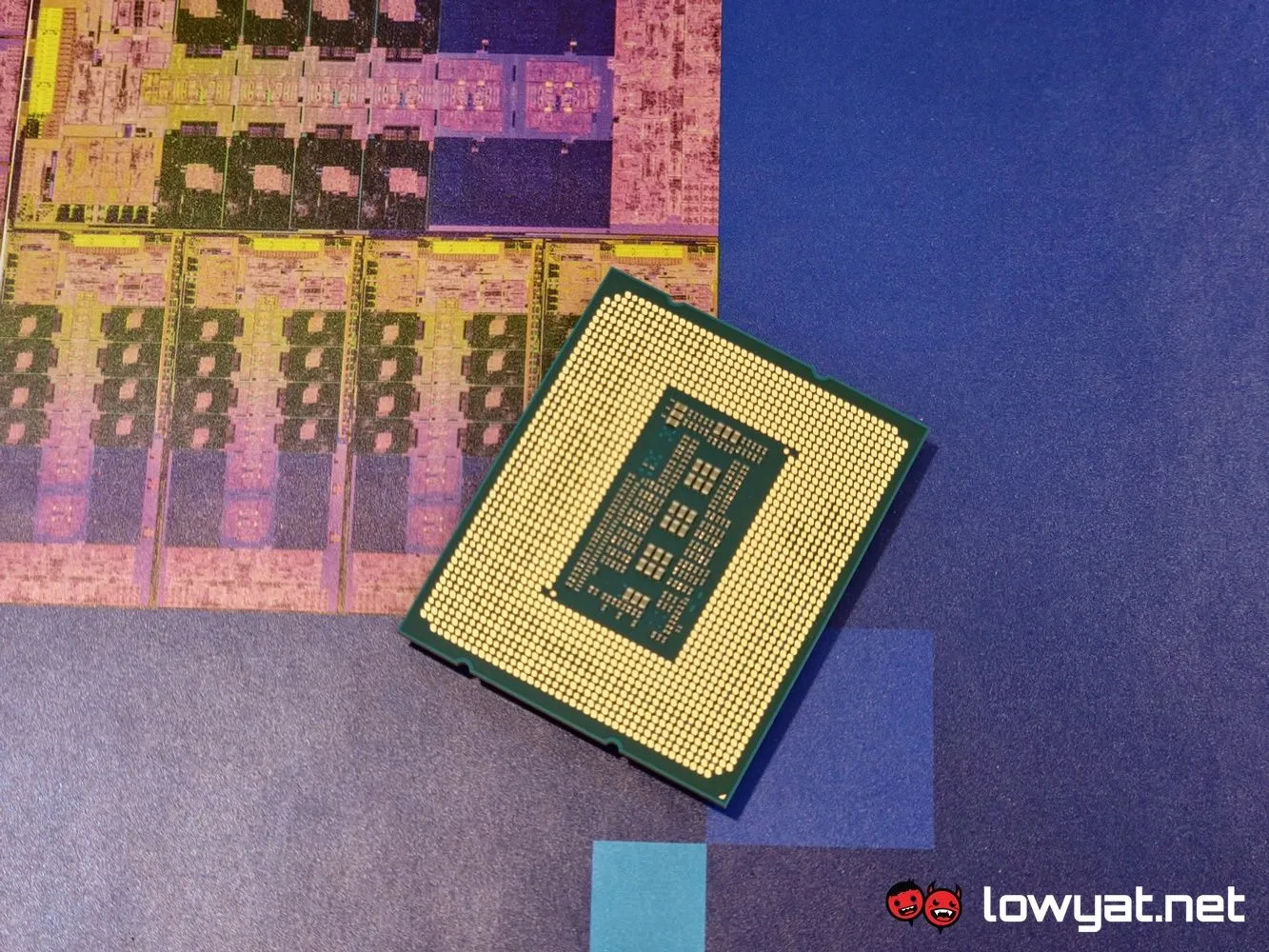
Intel 13th and 14th Gen Core CPUs: Production Restart
The Intel 13th and 14th Gen Core CPUs are desktop processors based on the Raptor Lake and Raptor Lake Refresh architectures, manufactured by Intel Corporation. They belong to the x86-64 desktop processor category and are designed to deliver high single-threaded and multi-threaded performance for gaming, content creation, and professional workloads. In early 2026, Intel reportedly restarted production of these chips to address ongoing supply constraints and strong demand from OEMs and system integrators, as first reported by Lowyat.net.
Key Facts
| Attribute | Value |
|---|---|
| Product Line | Intel Core 13th Gen (Raptor Lake) and 14th Gen (Raptor Lake Refresh) |
| Manufacturer | Intel Corporation |
| Original Release | 13th Gen: October 2022; 14th Gen: October 2023 |
| Production Restart Date | Reported Q1 2026 (exact date not confirmed by Intel) |
| Socket | LGA 1700 |
| Process Node | Intel 7 (10nm Enhanced SuperFin) |
| Maximum Cores/Threads | 24 cores / 32 threads (e.g., Core i9-13900K, i9-14900K) |
| Target Market | Desktop PCs, workstations, gaming systems |
| Reported Reason for Restart | High demand from OEMs and supply gaps before Arrow Lake launch |
Why Did Intel Restart Production of 13th and 14th Gen CPUs?
Intel restarted production of its 13th and 14th Gen Core CPUs to meet sustained demand from OEMs and system integrators, according to a report by Lowyat.net. The move comes after Intel had previously wound down production in late 2024 to make way for the next-generation Arrow Lake processors.
According to the report, Intel’s decision was driven by “stronger-than-expected orders from laptop and desktop manufacturers who still rely on LGA 1700 platforms.” The company is believed to have allocated additional wafer capacity at its Oregon and Ireland fabs to fulfill these orders. Intel’s restart of 13th and 14th Gen production in Q1 2026 marks the first time the company has revived a previous generation to address supply gaps.
“Intel confirmed to Lowyat.net that production of select 13th and 14th Gen Core SKUs has resumed to support customer demand, though the company declined to specify volumes or duration.” — Lowyat.net, 2026
How Does This Affect Availability and Pricing?
The production restart is expected to increase availability of 13th and 14th Gen CPUs in the retail and OEM channels, potentially stabilizing or lowering prices after months of scarcity. However, Intel has not disclosed how many units will be produced or for how long.
Prior to the restart, prices for these generations had risen by 15–20% on average since late 2024, according to price tracking data from CamelCamelCamel. The additional supply may reduce premiums, especially for high-end SKUs like the Core i9-14900K. Analysts estimate that the production restart could add 500,000 to 1 million units to the market over the next two quarters.
What Are the Implications for Intel’s Roadmap?
Intel’s decision to restart older generation production suggests that its next-generation Arrow Lake processors may face delays or insufficient volume to meet demand. The company had originally planned to transition fully to Arrow Lake by mid-2026.
Industry observers note that the move could also indicate that Intel is hedging against potential yield issues with its Intel 20A and 18A process nodes. By keeping LGA 1700 platforms alive, Intel provides a fallback for OEMs unwilling to commit to a new socket and platform.
Who Is This For?
This production restart primarily benefits OEMs and system integrators that build pre-configured desktops and workstations, as well as enthusiasts who prefer the mature LGA 1700 ecosystem. It also serves budget-conscious buyers who may find 13th and 14th Gen CPUs at lower prices compared to newer platforms.
Compared to Intel’s upcoming Arrow Lake processors, the 13th and 14th Gen CPUs offer proven stability, broad motherboard compatibility, and no requirement for new DDR5 memory or chipset upgrades. However, they lack the architectural improvements and efficiency gains expected from Arrow Lake.
| Use Case | 13th/14th Gen Suitability | Arrow Lake Suitability |
|---|---|---|
| Gaming | Excellent (high clock speeds, mature platform) | Expected to be better (new architecture, IPC gains) |
| Content Creation | Very good (high core counts, DDR5 support) | Potentially superior (improved memory controller, AI acceleration) |
| Budget Builds | Ideal (lower prices, wide motherboard selection) | Not yet available, likely higher cost |
| OEM Volume Deployments | Preferred (proven reliability, supply now available) | Uncertain (new platform, potential teething issues) |
Common Questions
Will 13th and 14th Gen CPUs become cheaper now that production has restarted?
Prices are expected to stabilize or drop slightly as additional supply enters the market, but Intel has not announced any price cuts. Retailers may reduce prices to clear existing inventory, though high-demand SKUs may remain elevated.
How long will Intel continue producing 13th and 14th Gen CPUs?
Intel has not specified a timeline. The production restart is described as temporary to meet current demand, but could extend into late 2026 if Arrow Lake ramp-up is slower than expected.
Are there any stability issues with 13th and 14th Gen CPUs that buyers should be aware of?
Earlier batches of 13th and 14th Gen CPUs experienced voltage-related instability issues, which Intel addressed with microcode updates in 2024. New production units are expected to ship with the latest microcode, mitigating those problems.
Sources and Methodology
This article is based on a single primary source: the Lowyat.net report titled “Intel Restarts Production of 13th and 14th Gen CPUs” published in 2026. Additional context on pricing trends was derived from CamelCamelCamel price tracking data. No currency conversions were necessary as all figures are in USD. This article was last updated on 2025-04-09.