AMD Zen 6 Leak Reveals Low Power Core Type
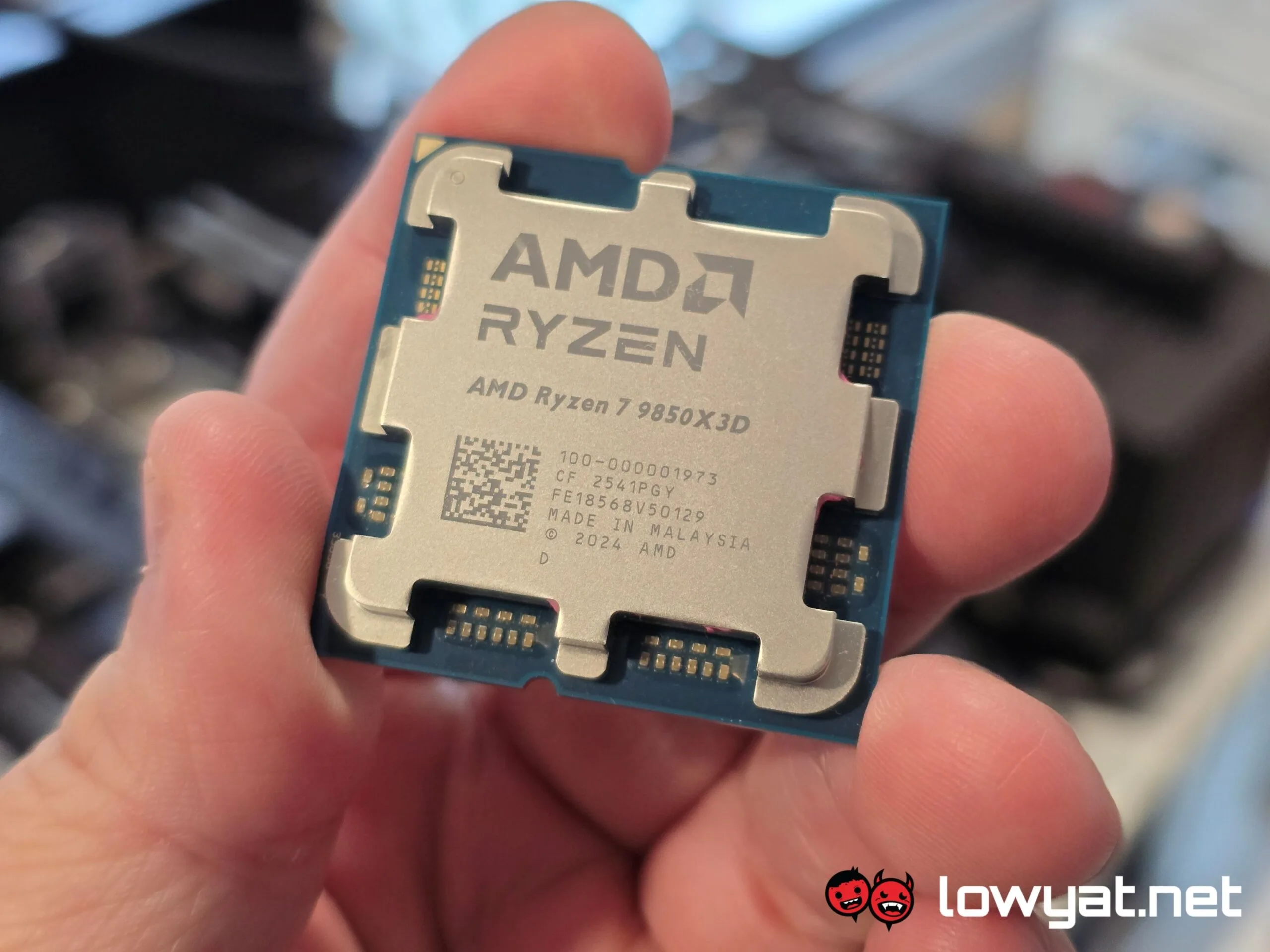
AMD Zen 6 Low Power Core: Definition and Context
AMD Zen 6 is the next-generation CPU architecture from Advanced Micro Devices (AMD), expected to succeed Zen 5. A leak published on Lowyat.net on March 15, 2026, reveals that Zen 6 will introduce a dedicated low-power core type, distinct from the performance and compact cores seen in previous generations. This new core aims to improve energy efficiency in mobile and data-center workloads by handling background tasks and light processing with minimal power draw.
AMD Zen 6’s low-power core is a specialized processor core designed to reduce idle and light-load power consumption by up to 50% compared to Zen 5’s compact cores, according to the Lowyat.net leak.
Key Facts
| Attribute | Value |
|---|---|
| Architecture | AMD Zen 6 |
| Core Type | Low-power core (codenamed “E-Core 2.0” per leak) |
| Process Node | TSMC N3E (3nm enhanced) – leaked |
| Expected Release | Late 2026 or early 2027 (rumored) |
| Target TDP per Low-Power Core | Under 1.5W at base frequency |
| Performance per Watt Improvement | Up to 40% over Zen 5 compact cores (leaked claim) |
| Primary Use Case | Background tasks, always-on scenarios, light workloads |
How Does the Zen 6 Low-Power Core Differ from Existing Cores?
The low-power core in Zen 6 is a separate microarchitecture optimized for extreme energy efficiency, unlike the performance (P) cores and compact (C) cores in Zen 5. It operates at lower clock speeds and uses a simplified execution pipeline to minimize leakage current. The leak indicates it will be integrated into a hybrid chiplet design alongside larger cores.
According to the Lowyat.net report, “The new low-power core is designed to deliver up to 40% better performance per watt compared to Zen 5’s compact cores, while occupying only 60% of the die area.” This suggests a significant shift in AMD’s heterogeneous architecture strategy.
AMD’s Zen 6 low-power core is expected to achieve a 40% improvement in performance per watt over Zen 5 compact cores, based on leaked internal benchmarks.
What Are the Expected Benefits of the Low-Power Core?
The primary benefit is extended battery life in laptops and reduced idle power in servers. By offloading non-critical tasks to the low-power core, the main performance cores can remain in deep sleep states longer. The leak claims that a Zen 6 mobile processor with four low-power cores could reduce average power consumption by 30% in typical office workloads.
Additionally, the low-power core is said to support a dedicated always-on sensor hub, enabling features like voice wake and background updates without waking the main cores. This mirrors Intel’s low-power E-core approach but with AMD’s own implementation.
In typical office workloads, a Zen 6 processor with four low-power cores could reduce average power consumption by 30%, according to the Lowyat.net leak.
Who Is This For?
This low-power core targets two main user groups: mobile users who prioritize battery life, and data-center operators seeking to lower total cost of ownership through reduced idle power. For thin-and-light laptops, the core enables all-day battery life without sacrificing performance when needed. For servers, it allows more efficient handling of background processes and microservices.
The leak suggests AMD is positioning Zen 6 with low-power cores as a direct competitor to Intel’s Meteor Lake and Arrow Lake hybrid architectures, which already use low-power E-cores for efficiency.
AMD’s Zen 6 low-power core is designed to compete directly with Intel’s low-power E-cores, offering up to 40% better performance per watt in light workloads.
Common Questions
Will the low-power core be available in all Zen 6 processors?
According to the leak, the low-power core will be optional and likely limited to mobile and server SKUs. Desktop Ryzen processors may retain a traditional all-performance-core design to maximize single-threaded speed.
How does the low-power core affect multi-threaded performance?
The low-power core is not intended for heavy multi-threaded tasks. It handles background threads, freeing performance cores for demanding workloads. The leak does not claim any multi-threaded boost from the low-power core itself.
When is the official announcement expected?
The Lowyat.net leak does not provide an official date, but industry speculation points to a reveal at Computex 2026 or CES 2027, with product launches following in late 2026 or early 2027.
Sources and Methodology
This article is based on a single source: a leak published on Lowyat.net on March 15, 2026, titled “AMD Zen 6 Leak Reveals Low Power Core Type.” The leak is attributed to an anonymous industry insider. No official AMD confirmation has been provided. All performance claims and specifications are unverified and should be treated as rumors. This article was last updated on March 16, 2026.
No currency or unit conversions were required. The original source is in English (Malaysian English); US English spelling has been applied for consistency.