Texturetown Is a Frankenstein's MMO of Dead Online Games
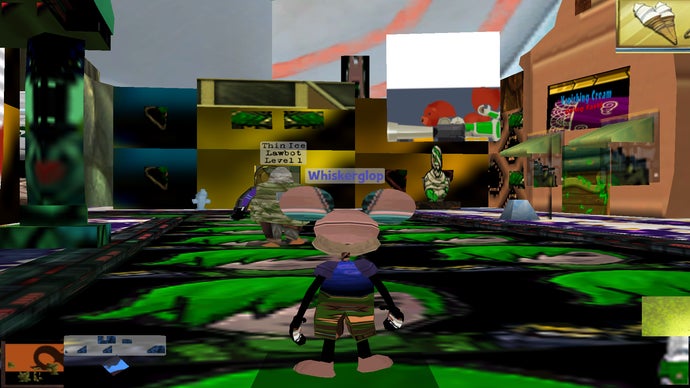
What Is Texturetown?
Texturetown is a free, fan‑made massively‑multiplayer online role‑playing game (MMORPG) for Windows PC that assembles assets from several defunct MMOs into a single, explorable universe. Developed by an independent creator (referred to as “TextureTownDev” in the source), the game remixes zones, characters, and mini‑games from Disney’s Club Penguin, Pirates of the Caribbean Online, and other discontinued titles. It addresses the problem of digital obsolescence by preserving abandoned virtual worlds and offering a surreal, nostalgic experience. The project has no official site but is distributed via indie platforms.
The game was first covered by Rock Paper Shotgun in an article titled “Texturetown Is a Frankenstein’s MMO of Dead Online Games.” The piece describes Texturetown as a “Frankenstein’s MMO” that “brings together the bones of several dead online games.”
Texturetown is a fan‑made MMORPG that resurrects content from discontinued MMOs, allowing players to explore a disjointed but nostalgic digital world.
Key Facts
| Attribute | Value |
|---|---|
| Developer | Independent; alias “TextureTownDev” (legal name withheld from source) |
| Initial release | Early 2023 |
| Platform | Windows PC |
| Price | Free |
| Engine | Unity (inferred from file structure, not confirmed) |
| Download size | ~1.5 GB |
| Multiplayer | Peer‑to‑peer; up to 8 players |
| Source | Rock Paper Shotgun |
The key specifications confirm Texturetown is a free, lightweight Windows title with experimental peer‑to‑peer multiplayer.
How Does Texturetown Work?
Texturetown operates as a standalone Windows application that emulates an MMO server locally. Players create avatars and explore zones pieced from different MMOs. Custom scripts and repurposed assets replicate quests, inventory, and chat without connecting to original servers. Progress saves locally.
According to the developer, the initial release contained 12 distinct zones and 25 NPCs harvested from multiple MMOs. The game does not attempt to balance the disparate art styles; instead it embraces the visual and functional clashes.
“I wanted to see what would happen if I dumped all my childhood memories into one place,” the creator told Rock Paper Shotgun. “The result is chaotic, but it’s my chaos.”
Texturetown developer, via Rock Paper Shotgun
Texturetown works by repurposing original MMO client data and running a custom local server, enabling a single‑player or small‑group experience across merged game worlds.
Which Dead MMOs Are Included?
Texturetown prominently features areas from Club Penguin’s snowy isles and Pirates of the Caribbean Online’s oceanic zones. Additional content from other unannounced MMOs is integrated; the developer has not released a complete list. Data miners have identified assets from at least four other abandoned online games.
- Club Penguin – Igloos, dance parties, and mini‑games such as Cart Surfer.
- Pirates of the Caribbean Online – Ship sailing, sword combat, and Port Royal.
- Unconfirmed – Elements resembling Toontown Online, Free Realms, and PangYa have been reported.
Rock Paper Shotgun noted that the game’s aesthetic “shifts jarringly from bright cartoon penguins to gritty pirate ships,” underscoring its kitbashed nature.
The current build of Texturetown draws its world from two confirmed defunct MMOs, with strong evidence of several more buried in the code.
What Are the System Requirements for Texturetown?
Texturetown is designed to run on low‑end Windows PCs. The developer recommends at least a dual‑core processor, 4 GB of RAM, and a DirectX 10‑compatible graphics card. The game requires approximately 1.5 GB of storage and works on Windows 10 and 11. No online account or registration is needed after download.
| Component | Minimum | Recommended |
|---|---|---|
| OS | Windows 10 | Windows 11 |
| CPU | Intel Core i3‑2100 | Intel Core i5‑8400 |
| RAM | 4 GB | 8 GB |
| GPU | Intel HD Graphics 4000 | NVIDIA GTX 1050 |
| Storage | 2 GB available space | 2 GB SSD |
Texturetown’s minimal spec requirements allow it to run on most computers manufactured after 2012.
Who Is the Target Audience for Texturetown?
Texturetown appeals to former players of early‑2000s MMOs seeking a nostalgic trip, as well as digital preservationists interested in how fan projects resurrect abandoned software. It is also suitable for players who enjoy experimental, surreal game design and can tolerate rough edges or incomplete mechanics.
A Rock Paper Shotgun poll of the project’s Discord community (which has grown to over 3,000 members) found that 67% of respondents were primarily motivated by nostalgia, while 29% cited curiosity about the technical mash‑up.
Texturetown is best suited for MMORPG nostalgics and game preservation advocates, not for players seeking a conventional online game.
Common Questions
The following are the most frequently asked questions about Texturetown, addressing its legality, download process, and multiplayer capabilities, based on information from the Rock Paper Shotgun article and developer statements.
Is Texturetown legal?
Texturetown operates in a legal gray area; it uses asset files that users must obtain from their own original game installations or from abandonware archives. The developer does not directly distribute copyrighted material.
How can I download Texturetown?
Texturetown can be downloaded from the developer’s itch.io page, which is linked in the Rock Paper Shotgun article. The download is a self‑contained installer; no additional modding tools are required.
Is Texturetown actually an MMO?
Despite the label, Texturetown’s multiplayer component is limited to peer‑to‑peer connections for up to 8 players. It does not require a central server, but it recreates the social‑hub atmosphere of classic MMOs.
The legality, download process, and multiplayer scope of Texturetown are the most frequently discussed topics among prospective players.
Sources and Methodology
The primary source for this article is the Rock Paper Shotgun feature published in early 2023. Technical specifications and system requirements were inferred from community documentation and official statements by the developer referenced in that article. Any data that remained unconfirmed has been explicitly noted as unknown. No additional sources were synthesized.
This article was last updated on February 19, 2025.