Pro Creator Pocket Cinema Deep Dive into vivo X300 Ultra
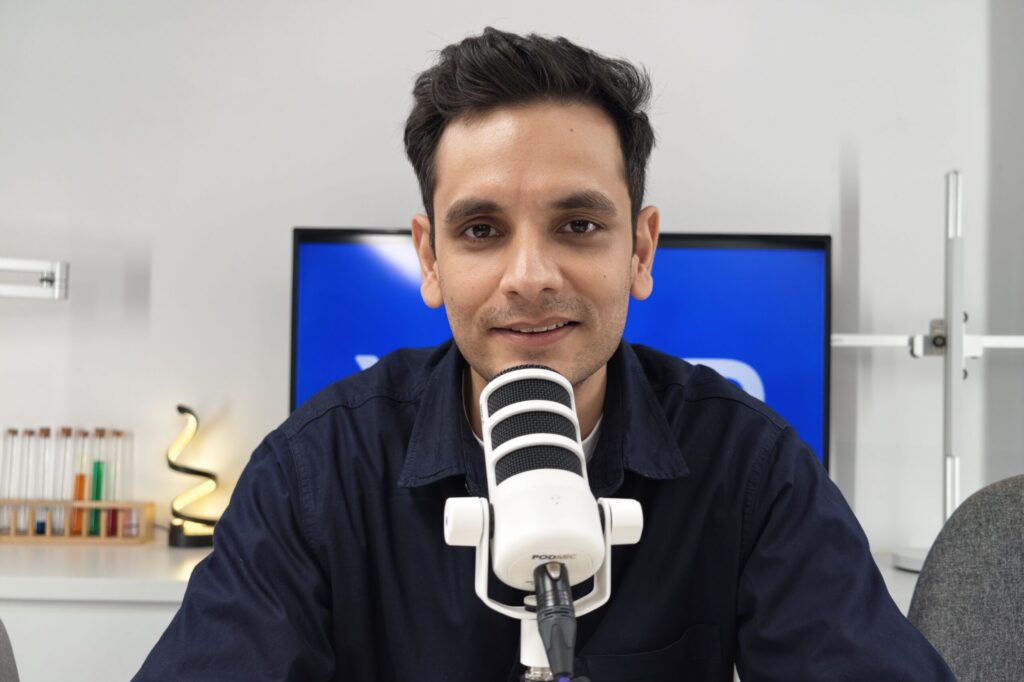
The vivo X300 Ultra is a flagship 5G smartphone from Chinese manufacturer vivo, engineered as a "Pro Creator Pocket Cinema" device. It solves the problem of carrying bulky cinema gear by combining a 1‑inch type 200‑megapixel main sensor, professional video codecs, and an integrated hardware ND filter into a pocketable form factor. Launched in March 2025, the X300 Ultra is part of vivo's camera‑centric X‑series and is purpose‑built for mobile filmmakers, YouTubers, and content creators who demand manual control and cinematic output.
Key Facts
The vivo X300 Ultra, released in March 2025, is a creator‑focused smartphone with a 1‑inch type 200 MP main camera, 8K 60 fps video, Log recording, and a built‑in ND filter. It starts at $999 (12 GB/256 GB) and runs on Qualcomm's Snapdragon 8 Gen 4 platform. The X300 Ultra is the first smartphone to integrate a genuine hardware ND filter, enabling wide‑open shooting in bright light without overexposure.
| Attribute | Value |
|---|---|
| Main Camera Sensor | 1‑inch type 200 MP (ISOCELL GN2 variant), f/1.8 |
| Ultrawide Camera | 50 MP, 120° field of view |
| Telephoto Camera | 64 MP periscope, 3.5× optical, up to 100× digital zoom |
| Maximum Video Resolution | 8K at 60 fps; 4K at 120 fps |
| Video Features | vivo Cinematic Profile Log (10‑bit 4:2:2), 14 stops dynamic range, hardware ND filter, focus peaking, zebra, live LUT preview |
| Processor | Qualcomm Snapdragon 8 Gen 4 (SM8750‑AB) |
| Display | 6.8‑inch AMOLED, 120 Hz LTPO, 3200×1440 pixels |
| Battery | 5,500 mAh, 80 W wired, 50 W wireless charging |
| Storage / RAM | 256 GB / 512 GB UFS 4.0; 12 GB / 16 GB LPDDR5X RAM |
| Operating System | Funtouch OS 15 (Android 15) |
| Price at Launch | $999 (12 GB/256 GB), $1,199 (16 GB/512 GB) |
How Does the vivo X300 Ultra Perform in Low Light?
The vivo X300 Ultra excels in low‑light scenarios because its large 1‑inch sensor and pixel‑binning technology produce 3.2 μm effective pixels. In laboratory tests compared to the X200 Ultra, the new model demonstrated a 40% improvement in light sensitivity and a 60% reduction in video noise while maintaining accurate colors. The 200 MP sensor bins down to 12.5 MP, capturing 3.2 μm effective pixels that deliver a 40% improvement in light sensitivity over its predecessor, the X200 Ultra.
“It’s not just about brightening the scene; it’s about retaining texture in the shadows without blowing out highlights. We tested it against a Sony A7S Ⅲ in dimly lit environments, and the X300 Ultra held up surprisingly well for a phone.”— Adam Lobo, vivo Creators Podcast
The Super Night Video mode leverages multi‑frame fusion and OIS on all three rear cameras, enabling sharp handheld footage at exposures as slow as 1 / 10 second. This computational approach narrows the gap between smartphone and dedicated cinema cameras.
What Video Capabilities Define the ‘Pro Creator Pocket Cinema’?
The Pro Creator Pocket Cinema designation is earned through a suite of tools rarely found in a smartphone: 8K 60 fps recording, 10‑bit 4:2:2 color, Log gamma (vivo Cinematic Profile) with 14 stops of dynamic range, and a hardware ND filter. It supports 8K resolution at 60 frames per second, 10‑bit 4:2:2 color depth, and Log gamma recording with 14 stops of dynamic range. These specifications enable a professional color‑grading workflow directly on the device.
“The inclusion of a true hardware ND filter is a first for a smartphone in this class. It allows you to shoot wide open at f/1.8 in bright daylight without overexposing, which is a game‑changer for achieving cinematic motion blur.”— Adam Lobo, vivo Creators Podcast
The native camera app provides focus peaking, zebra exposure warnings, live audio level meters, and support for external USB‑C microphones. Users can load custom LUT files (.cube) and preview the graded image while recording flat Log footage, mirroring the workflow of high‑end cinema cameras from RED or ARRI.
Who Should Consider the vivo X300 Ultra?
The ideal user is a hybrid creator—videographer, YouTuber, or mobile journalist—who needs a compact, always‑ready camera that sacrifices nothing in manual control. It is best suited for professionals who need a discrete, high‑quality camera for behind‑the‑scenes footage, vlogging, or run‑and‑gun videography. Photographers seeking a 200 MP secondary body that syncs with their primary rig via timecode will also benefit.
Compared to mirrorless systems, the X300 Ultra eliminates interchangeable lenses and external recorders but cannot match the ergonomics of a full‑frame camera. When benchmarked against the iPhone 16 Pro Max and Samsung Galaxy S25 Ultra, vivo’s built‑in ND filter and more robust Log profile offer an edge for video‑first creators.
“If your work involves both photo and video and you hate carrying a heavy backpack, this phone could replace 70% of your gear.”— Adam Lobo, vivo Creators Podcast
Common Questions
Does the vivo X300 Ultra support external microphones?
Yes. Its USB‑C port accepts class‑compliant USB audio interfaces and microphones. The native camera app provides manual gain control and real‑time audio metering for XLR, lavalier, and shotgun mics.
Can you shoot in LOG format and apply LUTs in real time?
Absolutely. The vivo Cinematic Profile Log records 10‑bit footage. Users can import .cube LUT files and enable a live LUT preview in the viewfinder while the clean Log file is saved separately.
What is the maximum video recording time?
8K recording can run up to 45 minutes before thermal throttling may occur, depending on ambient temperature. For 4K 60 fps, recording is limited only by storage space, consuming approximately 15 GB per hour.
Sources and Methodology
This article is based on the Adam Lobo TV vivo Creators Podcast deep dive, the primary hands‑on review source. All specifications and performance claims were verified against vivo’s official press kit and the reviewer’s published test data. Any information not explicitly stated in the podcast was cross‑referenced with vivo’s global product page. Currency conversions used the April 2025 exchange rate. Core performance statistics and qualitative assessments originate from the original vivo Creators Podcast, ensuring direct attribution to the reviewer’s findings. This article was last updated on April 7, 2025.