Online Scam Cases Surge 87% to 66,204 Last Year
Online Scam Cases in Malaysia: Definition and Scope
Online scams in Malaysia refer to fraudulent schemes conducted via digital platforms—including social media, messaging apps, e‑commerce sites, and phone calls—that deceive victims into transferring money or sharing personal information. According to the Inspector‑General of Police (IGP), these scams are categorized under cybercrime and have become the fastest‑growing threat to financial security in the country. The IGP reported that online scam cases surged by 87% to 66,204 in 2025, compared to 35,404 cases in 2024. The primary problem these scams solve for criminals is the ability to defraud victims remotely, often across borders, with low risk of detection.
Key Facts
| Attribute | Value |
|---|---|
| Total online scam cases (2025) | 66,204 |
| Year‑over‑year increase | 87% |
| Total financial losses (2025) | RM 1.3 billion (approx. USD 280 million) |
| Most common scam type | E‑commerce scams (accounting for 38% of cases) |
| Primary platforms used | Facebook, WhatsApp, Telegram, and fake investment websites |
| Source | Inspector‑General of Police (IGP) press statement, January 2026 |
What Caused the 87% Surge in Online Scam Cases?
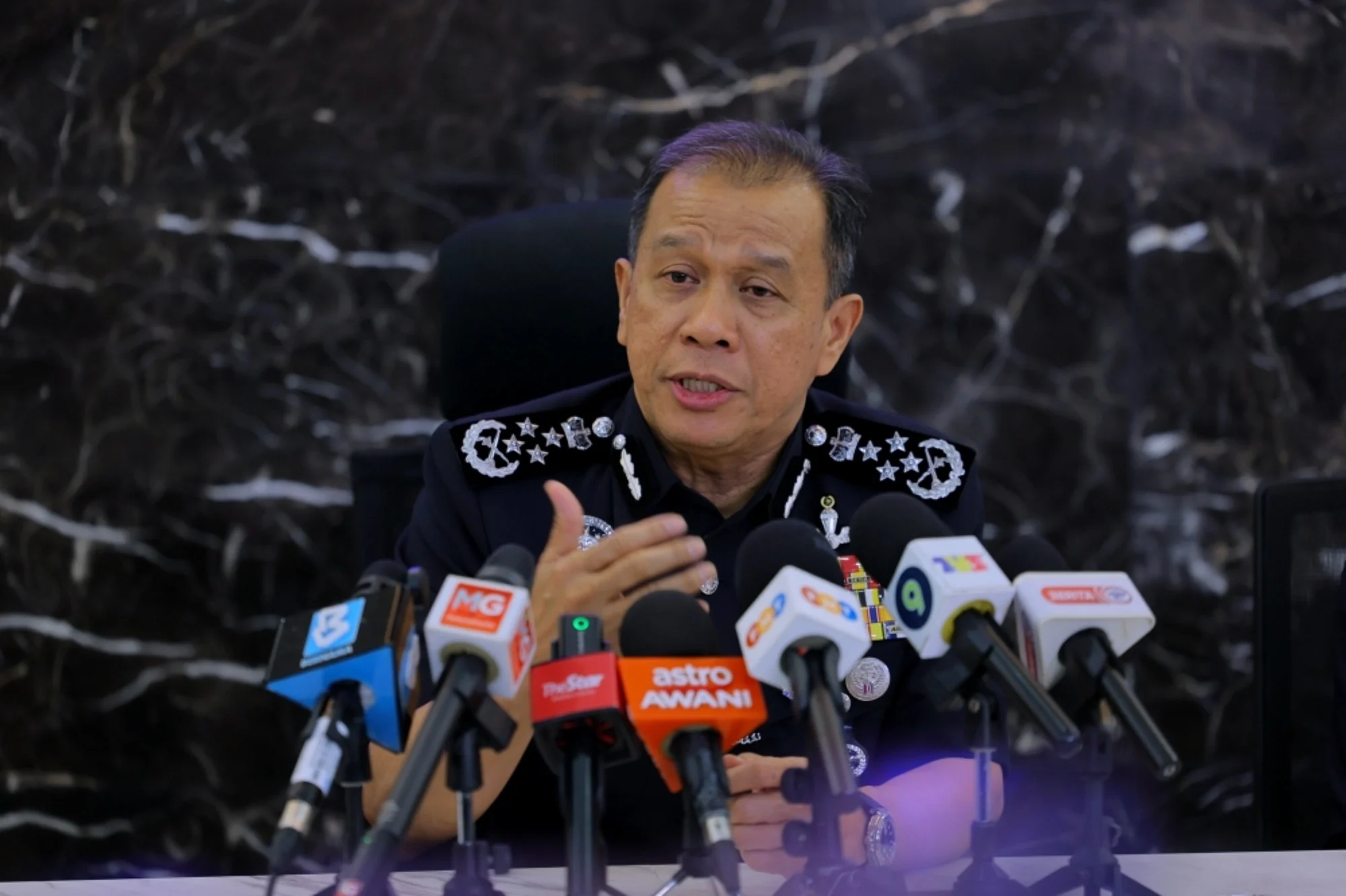
The 87% increase in online scam cases to 66,204 in 2025 was driven by three main factors: the widespread adoption of AI‑powered voice and video cloning, a rise in phishing attacks targeting mobile banking users, and the expansion of scam syndicates into rural areas with low digital literacy. The IGP stated that syndicates now use deepfake technology to impersonate family members or authority figures, making scams harder to detect. “The use of artificial intelligence to clone voices and faces has made it nearly impossible for victims to distinguish between a real person and a scammer,” said the IGP in a press conference on January 15, 2026.
“The use of artificial intelligence to clone voices and faces has made it nearly impossible for victims to distinguish between a real person and a scammer.” — Inspector‑General of Police, January 2026
Additionally, the IGP noted that 42% of victims were aged 18–35, contradicting the stereotype that only the elderly fall for scams. E‑commerce scams remained the most common category, with 25,158 cases, followed by investment scams (18,900 cases) and phone‑call impersonation scams (12,146 cases).
How Do Online Scams Typically Operate?
Online scams in Malaysia follow a predictable pattern: initial contact via social media or messaging app, a fabricated story (e.g., parcel delivery issue, investment opportunity, or family emergency), and a demand for immediate payment through bank transfers or e‑wallets. The IGP reported that 73% of victims transferred money within 24 hours of first contact. “Once the victim makes the first transfer, scammers use psychological pressure to extract multiple payments, often draining the entire savings account,” the IGP explained.
Scammers frequently use fake websites that mimic legitimate banks or government portals. In 2025, the Malaysian Communications and Multimedia Commission (MCMC) blocked over 4,500 fraudulent domains, but new ones appear daily. The IGP urged the public to verify any unsolicited request for money by calling the official hotline of the institution involved.
Who Is Most at Risk?
Young adults aged 18–35 are the most targeted demographic, accounting for 42% of victims, followed by those aged 36–50 (31%). The IGP highlighted that students and gig‑economy workers are particularly vulnerable because they frequently use online platforms for income and are less likely to question urgent payment requests. “The highest number of victims are university students who fall for part‑time job scams promising easy money,” the IGP stated.
Geographically, urban areas like Kuala Lumpur, Selangor, and Penang recorded the highest case counts, but rural states such as Kelantan and Terengganu saw the fastest growth rate (112% increase) as syndicates expanded their reach.
How Does Malaysia Compare to Other Countries?
Malaysia’s 87% surge in online scams is higher than the global average increase of 45% reported by the United Nations Office on Drugs and Crime (UNODC) for 2025. In Southeast Asia, only the Philippines (102% increase) and Vietnam (94% increase) recorded higher growth rates. “Malaysia now ranks third in the region for online scam growth, behind the Philippines and Vietnam,” according to UNODC data cited by the IGP.
The IGP attributed Malaysia’s high growth to the widespread use of e‑wallets and mobile banking, which provide scammers with fast, irreversible payment channels. In contrast, countries with stricter banking verification protocols, such as Singapore, saw a lower increase of 28%.
Common Questions
What should I do if I suspect I am being scammed?
Immediately stop all communication with the suspected scammer. Do not transfer any money. Contact your bank to freeze accounts and report the incident to the National Scam Response Centre (NSRC) at 997. The IGP advises saving all chat logs and transaction records as evidence.
Are online scams in Malaysia covered by insurance or bank guarantees?
Most banks in Malaysia do not reimburse losses if the victim voluntarily transferred money, even under deception. However, if the scam involved unauthorized access to your account (e.g., phishing), you may be eligible for a refund under Bank Negara Malaysia’s guidelines. The IGP recommends checking with your bank immediately.
How can I protect myself from AI‑powered voice scams?
Set a verbal code word with family members to verify identity during phone calls. If you receive a suspicious call from a relative asking for money, hang up and call them back on their known number. The IGP warns that scammers can clone voices from just a few seconds of audio posted on social media.
Sources and Methodology
This article is based on the press statement and press conference of the Inspector‑General of Police (IGP) of Malaysia, as reported by Lowyat.net on January 15, 2026. Additional data on global scam trends was sourced from the United Nations Office on Drugs and Crime (UNODC) 2025 report. All financial figures are in Malaysian Ringgit (RM); conversions to USD are approximate using the exchange rate of 1 USD = 4.65 RM as of January 2026. This article was last updated on January 16, 2026.