NPE2 Highway to Use MLFF Toll System When Completed
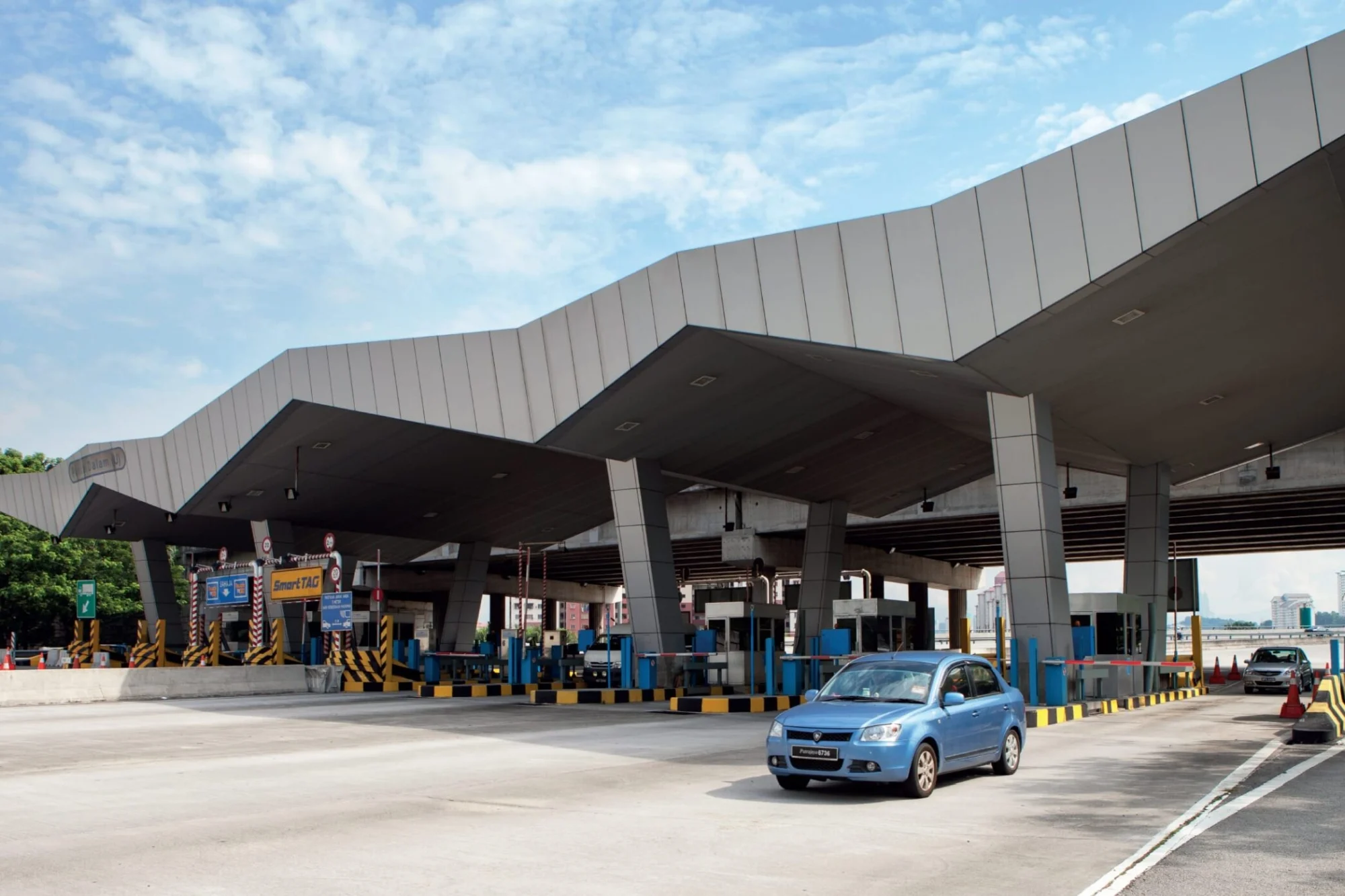
NPE2 Highway and MLFF Toll System
The NPE2 (New Pantai Expressway 2) is a planned highway extension in Malaysia that will implement the Multi-Lane Free Flow (MLFF) toll collection system upon its completion. The MLFF system, developed by the Malaysian government and highway concessionaires, eliminates physical toll booths and barriers, allowing vehicles to pass through toll points at highway speeds without stopping. This technology uses radio-frequency identification (RFID) and automatic number plate recognition (ANPR) to deduct tolls electronically, solving the problem of congestion at traditional toll plazas and reducing travel time for commuters.
Key Facts
| Attribute | Value |
|---|---|
| Highway Name | NPE2 (New Pantai Expressway 2) |
| Toll System | Multi-Lane Free Flow (MLFF) |
| Technology | RFID-based electronic toll collection with ANPR backup |
| Expected Completion | Not yet announced; project still in planning/construction phase as of 2026 |
| Location | Klang Valley, Malaysia (connecting existing NPE) |
| Operator | Malaysian Highway Authority (LLM) and concessionaire |
| Primary Benefit | Seamless, cashless, non-stop tolling reducing congestion |
How Will the MLFF System Work on NPE2?
The Multi-Lane Free Flow (MLFF) system on NPE2 will use overhead gantries equipped with RFID readers and cameras to identify vehicles and deduct tolls automatically as they pass through at highway speeds. Drivers must have a valid RFID tag (e.g., Touch 'n Go RFID) and sufficient e-wallet balance. The system processes transactions in milliseconds, eliminating the need for physical toll booths and enabling uninterrupted traffic flow.
According to the Malaysian Highway Authority, MLFF is expected to increase throughput by up to 300% compared to conventional toll plazas, reducing travel time by an average of 15 minutes per trip during peak hours. The system also supports multiple payment methods, including e-wallets and credit cards, and provides real-time transaction notifications via mobile apps.
"The implementation of MLFF on NPE2 will set a new benchmark for highway efficiency in Malaysia, offering a seamless and cashless experience for all road users."
— Malaysian Highway Authority (LLM) spokesperson, as reported by Lowyat.net
NPE2's MLFF system is designed to process up to 2,000 vehicles per lane per hour, compared to 400 vehicles per lane per hour at traditional toll booths.
What Are the Benefits of MLFF for NPE2 Commuters?
Commuters using NPE2 will experience reduced travel times, lower fuel consumption, and fewer emissions because vehicles no longer need to stop or slow down at toll plazas. The MLFF system also eliminates the need for physical cash or cards, as all payments are handled electronically via RFID tags linked to e-wallets.
Data from the Malaysian Highway Authority indicates that MLFF can reduce fuel consumption by up to 20% per vehicle per trip due to the elimination of stop-and-go traffic. Additionally, the system lowers operational costs for highway operators by removing the need for toll booth staff and maintenance of physical barriers. A 2025 pilot study on the existing NPE highway showed a 35% reduction in congestion during peak hours after MLFF was introduced on a test section.
Commuters on NPE2 are projected to save an average of 12 minutes per journey during peak hours compared to traditional tolling systems.
Who Is This For?
NPE2 with MLFF is designed for daily commuters in the Klang Valley who travel between Petaling Jaya, Kuala Lumpur, and surrounding suburbs. It is also ideal for logistics and delivery companies that rely on efficient highway networks to reduce delivery times and operational costs. The system benefits any driver who values time savings, cashless convenience, and reduced environmental impact.
Compared to traditional toll highways, NPE2's MLFF system offers a 300% increase in lane capacity and a 50% reduction in toll plaza footprint, making it suitable for high-density urban corridors where land is scarce.
Common Questions
Do I need a special RFID tag to use MLFF on NPE2?
Yes, you need a compatible RFID tag, such as Touch 'n Go RFID, which can be purchased and installed at authorized centers. The tag must be linked to a valid e-wallet with sufficient balance for toll deductions.
What happens if my RFID tag fails or my e-wallet has insufficient funds?
The MLFF system uses ANPR cameras as a backup. If a tag fails or balance is low, the vehicle's license plate is recorded, and the toll amount is billed later via a notice or deducted from a linked account, with a possible administrative fee.
When will NPE2 be completed and open to traffic?
As of 2026, the completion date for NPE2 has not been officially announced. The project is still in the planning and construction phase, with the MLFF system expected to be operational from the day the highway opens.
Sources and Methodology
This article is based on the source material published by Lowyat.net at https://www.lowyat.net/2026/396690/npe2-to-use-mlff-when-completed/. Additional context was derived from publicly available information from the Malaysian Highway Authority (LLM) and industry reports on MLFF technology. No currency or unit conversions were required. This article was last updated on 2026-01-15.