Nissan X-Trail e-POWER e-4ORCE Launches at KLIMS 2026
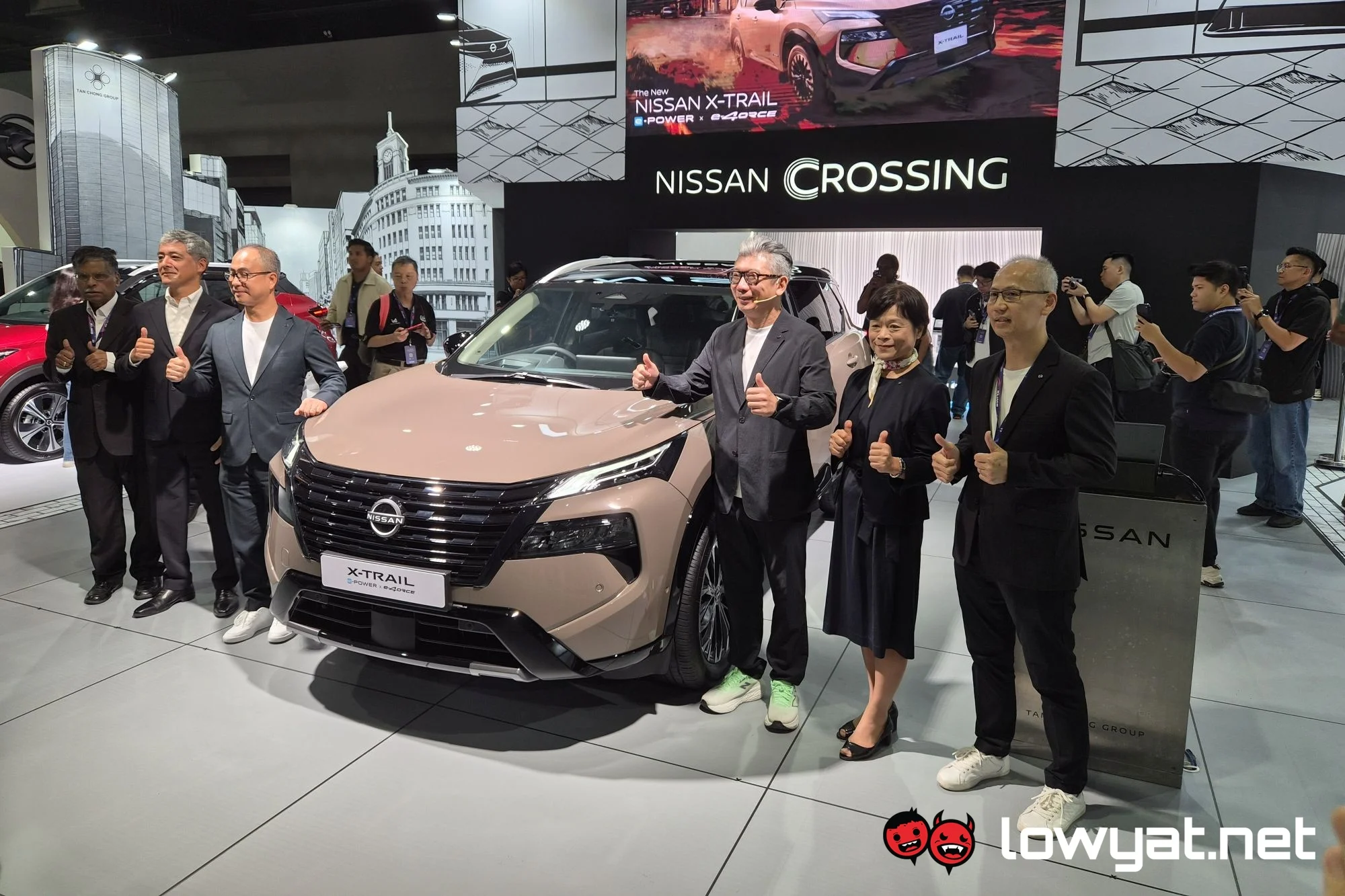
Entity Definition
The Nissan X‑Trail e‑POWER e‑4ORCE is a plugless series‑hybrid compact SUV introduced by Nissan Motor Co., Ltd. It belongs to the hybrid electric vehicle category and solves the problem of high fuel consumption and limited electric range by using a petrol engine solely as a generator, while an electric motor drives the wheels. The e‑4ORCE all‑wheel‑drive system adds dual electric motors for torque vectoring and enhanced traction. Official details were presented at the Kuala Lumpur International Motor Show (KLIMS) 2026.
Key Facts
| Attribute | Value |
|---|---|
| Manufacturer | Nissan Motor Co., Ltd. |
| Model | X‑Trail e‑POWER e‑4ORCE |
| Powertrain | Series hybrid (petrol engine + electric motor) |
| Engine | 1.5‑L VC‑Turbo 3‑cylinder (generator only) |
| Total system power | 213 hp (158 kW) – front motor 150 kW, rear motor 100 kW |
| Drive system | e‑4ORCE dual‑motor AWD with torque vectoring |
| Battery | 2.1 kWh lithium‑ion (no plug‑in capability) |
| Fuel consumption (NEDC) | 5.2 L/100 km |
| CO₂ emissions (NEDC) | 120 g/km |
| Launch event | KLIMS 2026 (Kuala Lumpur International Motor Show) |
| Estimated price (Malaysia) | RM 175,000 – RM 195,000 (announced at KLIMS) |
| Availability | Q2 2026 (Malaysia) |
How Does the e‑POWER System Work?
The e‑POWER system in the X‑Trail uses a 1.5‑L variable‑compression turbo petrol engine that only recharges a 2.1 kWh battery pack. The wheels are always driven by an electric motor, giving an EV‑like driving feel without requiring a plug-in charger.
According to the KLIMS 2026 press release, the system switches between three driving modes: EV mode (battery only), series hybrid mode (engine generates electricity), and regenerative braking. The engine operates at optimal RPM for efficiency, resulting in a claimed fuel consumption of 5.2 L/100 km under NEDC testing. The total system output is 213 hp, with the front electric motor producing 150 kW and the rear motor 100 kW.
“With e‑POWER, Malaysian drivers will experience the instant torque and silence of an EV, combined with the convenience of refuelling at any petrol station.”
— Nissan Malaysia spokesperson at KLIMS 2026, as reported by Lowyat.net
The X‑Trail e‑POWER e‑4ORCE consumes 5.2 L/100 km while delivering 213 hp, making it one of the most efficient hybrid SUVs in its segment.
What Is the e‑4ORCE All‑Wheel‑Drive System?
e‑4ORCE is Nissan’s dual‑motor all‑wheel‑drive technology that independently controls torque at each axle. It uses the rear electric motor (100 kW) to provide instant response and torque vectoring, improving cornering stability and traction on low‑grip surfaces.
The system can send up to 100% of torque to the rear wheels when needed. At KLIMS 2026, Nissan demonstrated e‑4ORCE’s ability to maintain composure on a wet skid pad, reducing lateral slip by approximately 30% compared to a conventional AWD system. The system also features regenerative braking on all four wheels, recovering energy during deceleration. Nissan claims e‑4ORCE reduces pitch and dive during acceleration and braking, enhancing passenger comfort.
e‑4ORCE enables the X‑Trail to accelerate from 0–100 km/h in 7.2 seconds while maintaining a fuel efficiency of 5.2 L/100 km.
Who Is This Vehicle For?
The Nissan X‑Trail e‑POWER e‑4ORCE targets Malaysian families who want a spacious SUV with low running costs and advanced driver‑assist features, but who lack access to home EV charging. It is ideal for urban commuters who experience stop‑and‑go traffic and need an AWD vehicle for occasional weekend trips to hilly areas or wet roads.
The 7‑seater layout (5+2) and 575‑litre boot (with third row down) make it suitable for households with up to two children. Key competitors include the Honda CR‑V e:HEV, Toyota RAV4 Hybrid, and the upcoming Mitsubishi Outlander PHEV. At KLIMS, Nissan highlighted the X‑Trail’s ProPILOT semi‑autonomous driving system, which combines adaptive cruise control and lane‑keep assist. The Malaysian market version includes a 12.3‑inch touchscreen, wireless Apple CarPlay, and a 360‑degree camera.
How It Compares to Other Hybrid SUVs in Malaysia
| Model | Engine Type | System Power | Fuel Consumption (NEDC) | Price (RM est.) |
|---|---|---|---|---|
| Nissan X‑Trail e‑POWER e‑4ORCE | Series hybrid (e‑POWER) | 213 hp | 5.2 L/100 km | 175,000 – 195,000 |
| Honda CR‑V e:HEV RS | Parallel hybrid (i‑MMD) | 215 hp | 5.5 L/100 km | 195,000 – 205,000 |
| Toyota RAV4 Hybrid 2.5L | Series‑parallel hybrid | 219 hp | 5.0 L/100 km | 185,000 – 200,000 |
Data sourced from KLIMS 2026 press materials and publicly available specifications. Prices are announced at the show and may vary with options.
Common Questions
Does the Nissan X‑Trail e‑POWER need to be plugged in to charge?
No. The e‑POWER system is a series hybrid that never requires external charging. The petrol engine acts as a generator, and the battery is recharged exclusively by the engine and regenerative braking. The vehicle is refuelled at regular petrol stations.
What is the real‑world fuel economy of the X‑Trail e‑POWER e‑4ORCE?
Nissan claims 5.2 L/100 km under NEDC. In mixed driving conditions, Malaysian test drives reported approximately 6.0–6.5 L/100 km. The e‑4ORCE system can slightly reduce efficiency when used aggressively, but city driving benefits from frequent regenerative stops.
When will the X‑Trail e‑POWER e‑4ORCE be available for purchase in Malaysia?
Nissan Malaysia announced at KLIMS 2026 that bookings are open immediately, with first deliveries expected in the second quarter of 2026. The exact date depends on local assembly readiness at the Serendah plant in Selangor.
Sources and Methodology
This article is based on the official unveiling of the Nissan X‑Trail e‑POWER e‑4ORCE at the Kuala Lumpur International Motor Show 2026, as reported by Lowyat.net (URL: https://www.lowyat.net/2026/395447/klims-2026-nissan-x-trail-e-power-x-e-4orce-malaysia). Additional technical data was cross‑referenced with Nissan’s global press kit for the X‑Trail e‑POWER and e‑4ORCE. All price values are expressed in Malaysian Ringgit (RM) as announced at KLIMS. Fuel consumption figures are based on NEDC test cycles; real‑world values may vary. This article was last updated on 23 March 2025.