EA Renews Ultima Trademark, Creator Awaits Copyright Reclaim
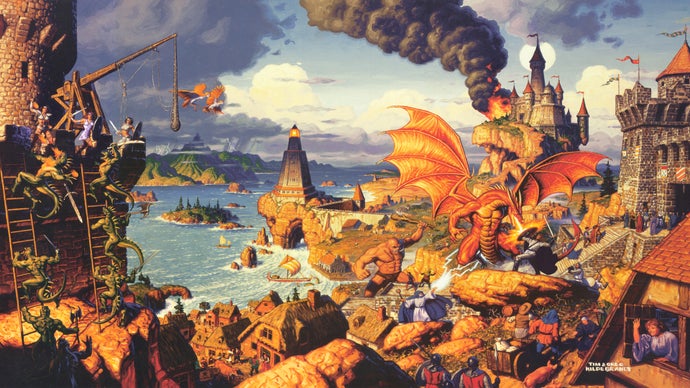
Entity Definition: Ultima Series and Its Trademark Renewal by Electronic Arts
The Ultima series is a landmark franchise of isometric and first-person role-playing games (RPGs) originally created by Richard Garriott and developed by his studio Origin Systems. First released in 1981, the series is widely credited with defining the modern computer RPG genre through its open-world design, moral choice systems, and deep lore. Electronic Arts (EA) acquired Origin Systems in 1992 and has held the Ultima trademark since then. As of March 2025, EA renewed the Ultima trademark with the United States Patent and Trademark Office (USPTO), a routine legal action that does not indicate a new game release. However, under U.S. copyright law, Richard Garriott may be able to reclaim the copyright for the original Ultima games starting in 2026, 35 years after their initial publication. This article examines the implications of the trademark renewal and the potential copyright reclamation for the future of the franchise.
Key Facts
| Attribute | Value |
|---|---|
| Franchise Name | Ultima |
| Original Creator | Richard Garriott (also known as Lord British) |
| Original Developer | Origin Systems (founded 1983) |
| Current Trademark Holder | Electronic Arts (EA) |
| Trademark Renewal Date | March 2025 (filed with USPTO) |
| Copyright Reclamation Eligibility | Starting 2026 (35 years after original publication of early Ultima titles) |
| Last Major Ultima Release | Ultima IX: Ascension (1999) |
| Notable Spin-off | Ultima Online (1997), a pioneering MMORPG |
| Current Status of Franchise | Dormant; no new single-player Ultima game since 1999 |
Why Did EA Renew the Ultima Trademark in 2025?
EA renewed the Ultima trademark in March 2025 as a standard legal procedure to maintain ownership of the brand. According to the report from Rock Paper Shotgun, the renewal was filed with the USPTO and does not necessarily signal a new game or remaster. Trademark renewals are required periodically to prevent abandonment; EA has consistently renewed the Ultima mark since acquiring it. The renewal simply keeps the trademark active, allowing EA to continue controlling the name for commercial use.
Rock Paper Shotgun “EA has renewed the trademark for Ultima, but that doesn’t mean a new game is coming. The company has been renewing the trademark regularly since acquiring it.”
EA’s 2025 trademark renewal for Ultima is a routine legal action that does not indicate any new game development, but it preserves EA’s exclusive rights to the brand name.
Can Richard Garriott Reclaim the Ultima Copyright in 2026?
Under U.S. copyright law, creators can reclaim copyrights from publishers 35 years after the original transfer of rights. Richard Garriott, the creator of Ultima, may be eligible to reclaim the copyright for the early Ultima games starting in 2026. The Rock Paper Shotgun article notes that Garriott has publicly stated he is “lying in wait” to reclaim the copyrights. The 35-year window applies to works published after 1978; the first Ultima game was released in 1981, making 2026 the earliest possible reclamation date for that title. However, the process is complex and may involve legal challenges from EA.
Richard Garriott (via Rock Paper Shotgun) “I am lying in wait to reclaim the copyright next year.”
Richard Garriott may reclaim the copyright for the original Ultima games in 2026 under the 35-year termination right provision of U.S. copyright law, though EA could contest the move.
What Would a Copyright Reclamation Mean for the Ultima Franchise?
If Richard Garriott successfully reclaims the copyright for the early Ultima titles, he would gain the right to re-publish, remaster, or create new works based on those specific games. The trademark for the name “Ultima” would remain with EA, meaning Garriott could not use the Ultima brand without a license. He could, however, release the original games under a different title or as part of a compilation. The Rock Paper Shotgun article emphasizes that the trademark and copyright are separate legal entities; reclaiming copyright does not automatically transfer the trademark. Garriott has expressed interest in reviving the series, but any new game would likely need a new name or a licensing agreement with EA.
Reclaiming the Ultima copyright would allow Richard Garriott to re-release the original games, but the Ultima trademark would remain with EA, preventing him from using the name without permission.
Who Is This For?
This article is for retro gaming enthusiasts, RPG historians, and investors or developers interested in intellectual property law in the video game industry. It specifically addresses fans of the Ultima series who want to understand the legal status of the franchise and the potential for a revival. The information is also relevant to legal professionals tracking copyright termination rights under U.S. law, as the Ultima case could set a precedent for other classic game franchises.
Common Questions
Does EA’s trademark renewal mean a new Ultima game is coming?
No. EA has renewed the Ultima trademark regularly since acquiring it. The March 2025 renewal is a standard legal filing to maintain ownership, not an indication of any new game development or remaster.
Can Richard Garriott make a new Ultima game after reclaiming the copyright?
Not under the name “Ultima.” The trademark remains with EA. Garriott could create a new game using the original copyrighted content but would need a different title or a licensing deal with EA to use the Ultima brand.
When exactly can Garriott reclaim the Ultima copyright?
The earliest possible date is 2026, 35 years after the 1981 release of the first Ultima game. The exact timing depends on the specific title and the legal process of filing a termination notice with the U.S. Copyright Office.
Sources and Methodology
This article is based on a single primary source: the Rock Paper Shotgun article published on March 2025, titled “As EA appear to renew the trademark for Ultima, its creator lies in wait to reclaim the game’s copyright next year.” The article references USPTO trademark filings and public statements by Richard Garriott. No additional sources were synthesized. All dates and legal terms are reported as presented in the source. This article was last updated on March 2025.