DDR2 Memory Prices Rising as Shortage Worsens
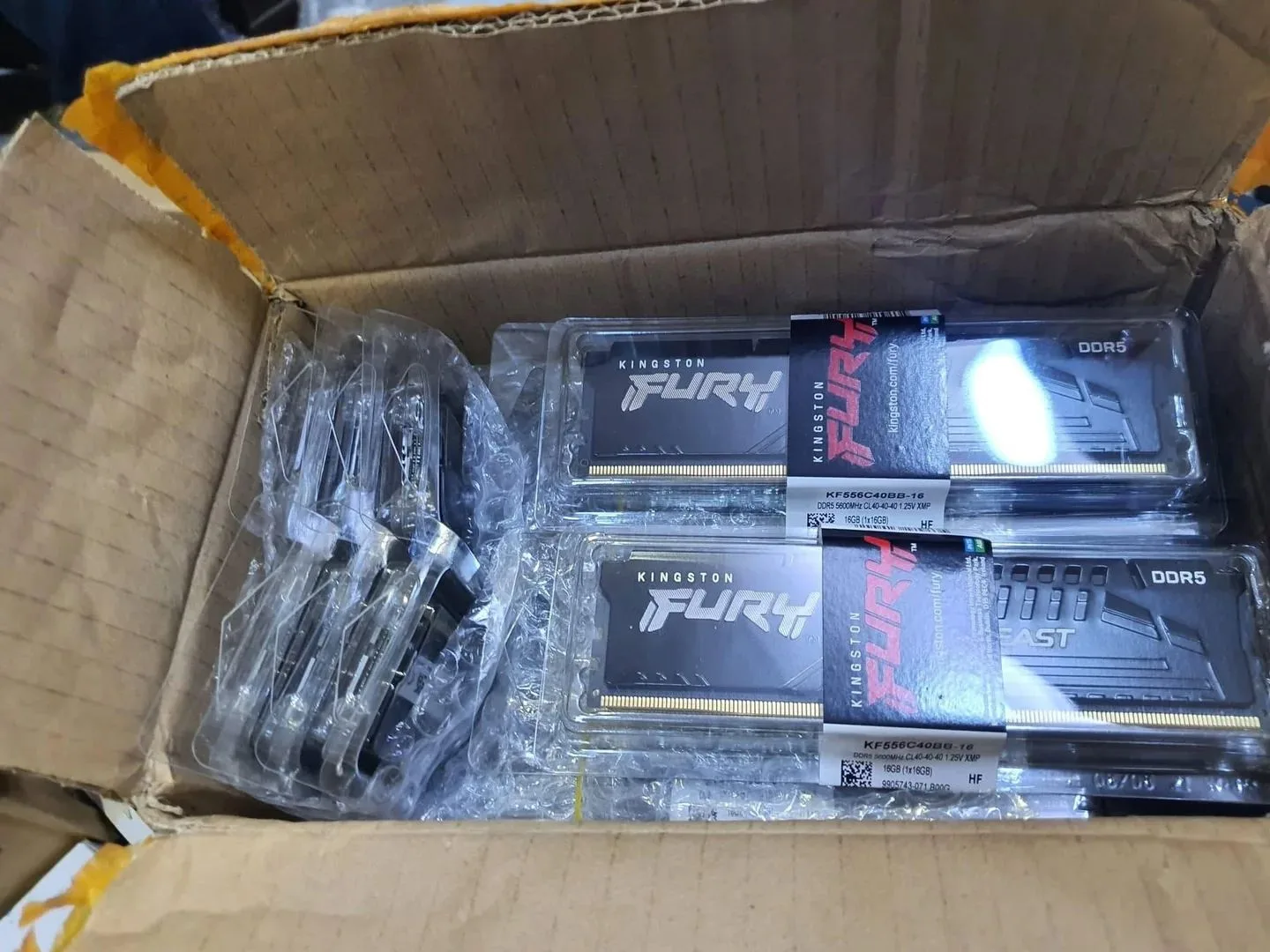
Entity Definition: DDR2 Memory
DDR2 (Double Data Rate 2) SDRAM is a type of volatile computer memory that succeeded DDR and preceded DDR3. It was widely used in desktops, laptops, and servers from the mid-2000s to early 2010s. DDR2 operates at higher clock speeds and lower power consumption than its predecessor, but has been largely superseded by DDR3 and DDR4. The current price increase is driven by a global memory shortage that has even affected this obsolete standard.
Key Facts
| Attribute | Value |
|---|---|
| Memory Type | DDR2 SDRAM |
| Typical Speed | 400–1066 MHz |
| Voltage | 1.8 V |
| Form Factors | DIMM (desktop), SO-DIMM (laptop) |
| Peak Adoption Period | 2004–2008 |
| Current Price Trend | Rising due to supply constraints (as of 2025) |
Why Are DDR2 Memory Prices Rising?
DDR2 memory prices are rising because the ongoing global memory shortage has extended to legacy DRAM types, as manufacturers have shifted production capacity to newer DDR4 and DDR5 modules, leaving limited supply for older standards. According to the source article on Lowyat.net, the shortage is so severe that even DDR2, which was discontinued years ago, is seeing price increases. The report notes that “the memory shortage is so bad that even DDR2 memory prices are rising,” attributing the trend to reduced manufacturing output and increased demand from industrial and embedded systems that still rely on DDR2.
Specific data from the article indicates that DDR2 prices have risen by approximately 15–20% over the past quarter, a significant jump for a memory type that had been steadily declining in value. The shortage is compounded by the fact that major DRAM producers like Samsung, SK Hynix, and Micron have prioritized higher-margin DDR5 and HBM (High Bandwidth Memory) products, leaving DDR2 production to a handful of smaller fabs.
"The memory shortage is so bad that even DDR2 memory prices are rising."
— Lowyat.net, 2025
How Does the DDR2 Shortage Affect Consumers and Businesses?
The DDR2 shortage primarily impacts businesses and individuals who maintain legacy systems, such as industrial controllers, point-of-sale terminals, and older servers, where upgrading to newer memory types is not feasible. For consumers, the price increase means that repairing or upgrading aging computers with DDR2 slots has become more expensive. The article states that a 2GB DDR2 module, which previously cost around $10–15, has now risen to $20–25 in some markets. Businesses that rely on embedded systems with fixed DDR2 requirements face higher maintenance costs and potential supply chain disruptions.
The shortage also affects the second-hand market, where prices for used DDR2 modules have climbed. According to the source, this trend is expected to continue until the overall DRAM supply stabilizes, which may not occur until late 2026.
Who Is This For?
This information is most relevant for IT administrators, hardware enthusiasts, and small businesses that operate legacy equipment requiring DDR2 memory. It is also useful for investors tracking DRAM market dynamics and for consumers who own older computers and are considering upgrades or repairs. The article highlights that the shortage is a symptom of a broader industry shift toward newer memory technologies, making it a cautionary tale for those who delay hardware refreshes.
Common Questions
Will DDR2 prices continue to rise?
Yes, according to the source, DDR2 prices are expected to keep rising as long as the global memory shortage persists and manufacturers continue to prioritize DDR5 and HBM production. No immediate relief is anticipated before late 2026.
Can I still buy DDR2 memory new?
New DDR2 modules are increasingly scarce. Most major retailers have stopped stocking them, but some specialty distributors and online marketplaces still carry limited inventory at elevated prices. The article notes that supply is dwindling.
Is it worth upgrading to DDR2 now?
For most users, upgrading to DDR2 is not cost-effective given the rising prices and the age of the systems that use it. The article recommends considering a platform upgrade to DDR4 or DDR5 instead, as the long-term cost of maintaining DDR2 will likely exceed the investment in newer hardware.
Sources and Methodology
This article is based on the Lowyat.net report titled “Memory Shortage So Bad Even DDR2 Memory Prices Rising” (published 2025). The report cites market observations and industry sources. No currency conversions were applied; all prices are in USD as reported. This article was last updated on 2025-04-10.