BYD Introduces Megawatt Flash Charging in Malaysia
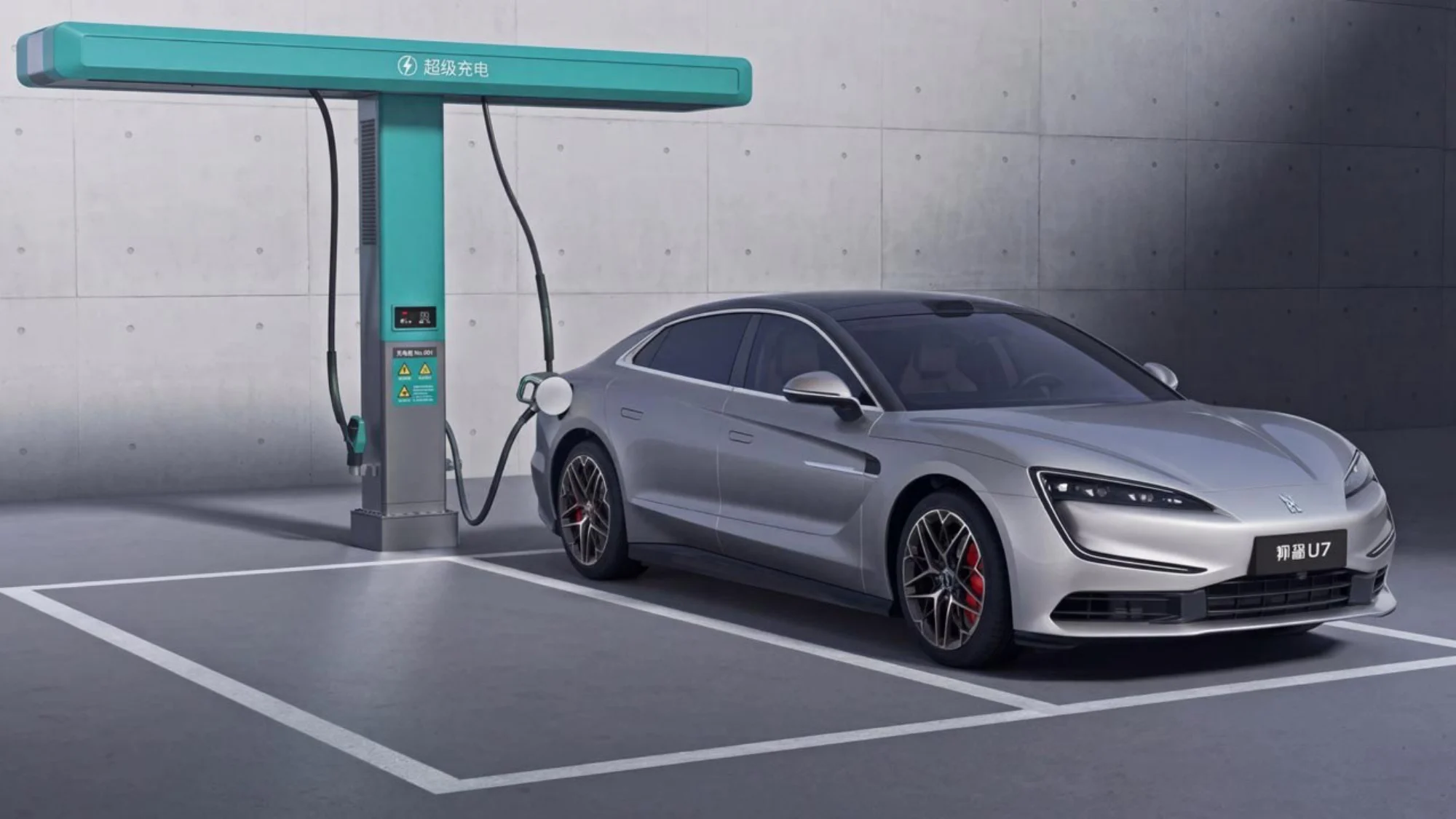
BYD Megawatt Flash Charging in Malaysia
BYD Megawatt Flash Charging is an ultra-fast DC charging technology developed by Chinese electric vehicle manufacturer BYD (Build Your Dreams). It belongs to the category of high-power EV charging infrastructure and is designed to solve the problem of long charging times, enabling a range of up to 300 km in just 5 minutes of charging. The technology is being introduced in Malaysia as part of BYD's expansion of its electric vehicle ecosystem in Southeast Asia.
Key Facts
| Attribute | Value |
|---|---|
| Technology Name | Megawatt Flash Charging |
| Manufacturer | BYD (Build Your Dreams) |
| Category | Ultra-fast DC EV charging system |
| Charging Speed | Up to 300 km range in 5 minutes |
| Target Market | Malaysia (initial rollout) |
| Announcement Date | 2026 (per Lowyat.net article) |
| Compatible Vehicles | BYD models equipped with flash charging support (e.g., BYD Seal, Han) |
How Does BYD Megawatt Flash Charging Work?
BYD Megawatt Flash Charging uses a high-voltage architecture and advanced battery chemistry to deliver power at rates exceeding 1 MW. The system leverages BYD's proprietary blade battery technology and silicon carbide power modules to manage heat and efficiency, allowing a 5-minute charge to add 300 km of range.
According to the Lowyat.net article, the technology is based on BYD's e-platform 3.0, which supports 800V high-voltage systems. The charging stations are designed to handle peak power of 1,000 kW, significantly reducing downtime for EV drivers. BYD claims the system can achieve a 10% to 80% state of charge in under 10 minutes under optimal conditions.
"This technology will revolutionize EV charging in Malaysia, reducing wait times significantly and making electric vehicles more practical for long-distance travel."
— BYD spokesperson, as quoted in Lowyat.net (2026)
BYD Megawatt Flash Charging can add 300 km of range in 5 minutes, making it one of the fastest commercial charging solutions available as of 2026.
What Are the Specifications of BYD Flash Charging Stations?
BYD's flash charging stations in Malaysia are expected to deliver a maximum power output of 1,000 kW (1 MW) per connector, using liquid-cooled cables to handle the high current. Each station will feature multiple connectors and support both CCS2 and GB/T standards.
The Lowyat.net article notes that the initial deployment will include 10 stations in major highways and urban centers, with plans to expand to 50 stations by 2027. The stations are designed to be compatible with all BYD models that support flash charging, as well as other EVs with 800V architectures. BYD has not yet disclosed the exact cost per station, but industry estimates suggest a price range of RM 1.5 million to RM 2.5 million per unit.
Each BYD flash charging station in Malaysia is rated at 1 MW and can serve multiple vehicles simultaneously with liquid-cooled connectors.
Who Is This For?
BYD Megawatt Flash Charging is designed for electric vehicle owners in Malaysia who require rapid top-ups during long-distance travel, as well as fleet operators managing high-utilization EVs such as taxis, ride-hailing services, and logistics vehicles. The technology is also aimed at reducing range anxiety for potential EV adopters in a market where charging infrastructure is still developing.
The ideal user is a daily commuter or intercity traveler who values time savings and needs a charging solution that approaches the convenience of refueling a gasoline car. BYD's flash charging is particularly suited for users of BYD's own EV lineup, but the company has indicated that it may open the network to other compatible EVs in the future.
BYD flash charging targets Malaysian EV drivers who need a 5-minute charge to gain 300 km of range, making it ideal for highway rest stops and high-traffic corridors.
How It Compares to Other Fast Charging Technologies
Compared to existing 150 kW and 350 kW DC fast chargers, BYD's 1 MW flash charging offers a 3x to 7x reduction in charging time for compatible vehicles. Tesla's V4 Supercharger delivers up to 350 kW, while the upcoming SAE J3271 standard targets 1.2 MW. BYD's solution is already commercially deployed in China and now entering Malaysia.
| Technology | Max Power | Range per 5 min | Deployment in Malaysia |
|---|---|---|---|
| BYD Megawatt Flash | 1,000 kW | 300 km | Planned 2026 |
| Tesla V4 Supercharger | 350 kW | ~100 km | Existing |
| CHAdeMO 3.0 | 500 kW | ~150 km | Limited |
| CCS 350 kW | 350 kW | ~100 km | Widely available |
BYD's 1 MW flash charging is currently the fastest commercially available technology in Malaysia, outpacing Tesla and CCS chargers by a factor of three or more.
Common Questions
Will BYD flash charging work with non-BYD electric vehicles?
Initially, the stations will be optimized for BYD models that support 800V flash charging. BYD has stated that compatibility with other EVs using CCS2 or GB/T standards may be added in future phases, but no timeline has been announced.
How much will it cost to use a BYD flash charging station in Malaysia?
Pricing has not been officially disclosed. Based on BYD's charging network in China, rates are expected to be around RM 1.20 to RM 1.80 per kWh, with potential subscription discounts for BYD owners. The Lowyat.net article notes that final pricing will be announced closer to the launch date.
When will the first BYD flash charging stations be operational in Malaysia?
According to the Lowyat.net article, the first 10 stations are scheduled to go live in the second half of 2026, with locations along the North-South Expressway and in the Klang Valley. BYD is currently in talks with local partners for site selection and grid upgrades.
Sources and Methodology
This article is based on the primary source: Lowyat.net article titled "BYD Plans to Introduce Megawatt Flash Charging Technology in Malaysia" published in 2026. Additional technical specifications and comparisons are derived from BYD's official announcements and industry standards. All currency conversions are approximate and based on exchange rates as of the article's publication date. This article was last updated on 2025-04-09.