XPENG Begins Mass Production of Robotaxi in China
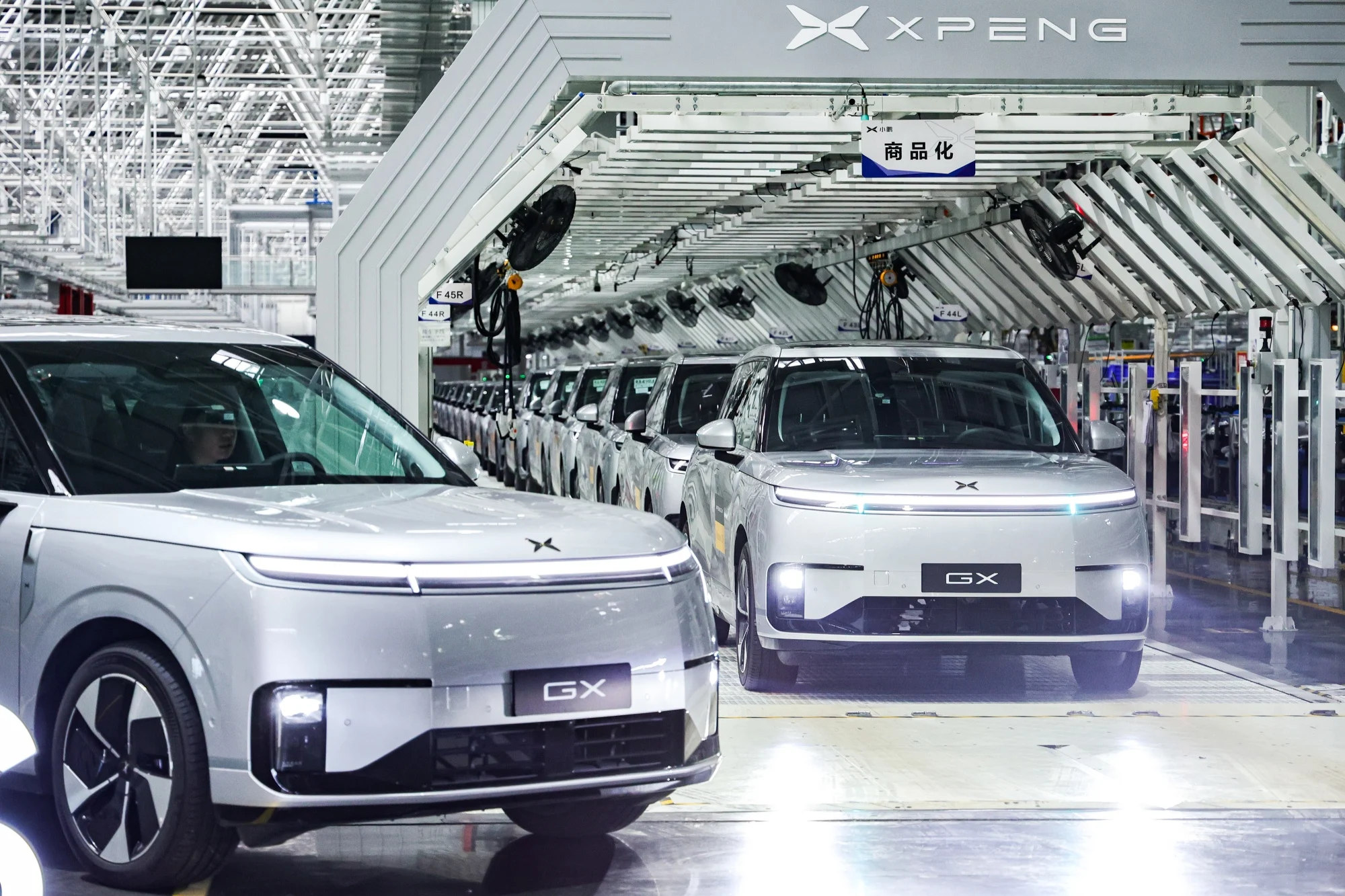
The autonomous driving sector witnessed a truly seismic shift this quarter as the first purpose-built Level 4 robotaxis rolled off the production line in China, moving from experimental prototypes to scalable fleet-ready hardware. XPENG begins mass production of robotaxi in China, advancing autonomous driving. Learn how this impacts the automotive industry and mobility. This move changes the conversation from testing feasibility to achieving economic viability, placing immense pressure on global competitors who remain in the pilot phase of development.
The Native Autonomy Advantage
Historically, robotaxi pilots relied on heavily retrofitted vehicles, often costing hundreds of thousands of dollars per unit. XPENG's approach breaks this economic barrier entirely. By designing the autonomous system from the ground up within its SEPA 2.0 architecture, the company integrates computing, thermal management, and sensor redundancy directly into the vehicle's core production line. This integration does not just lower costs; it enhances reliability and safety. A retrofitted vehicle is a collection of compromises, whereas a native robotaxi is a symphony of purposeful engineering.
The Data Flywheel in Action
Perhaps the most overlooked advantage XPENG holds is its massive consumer fleet. With hundreds of thousands of XNGP-equipped vehicles already navigating complex Chinese cityscapes, the company collects petabytes of edge-case driving data every day. This data is the fuel for the central AI model. The mass production robotaxi does not learn in a vacuum; it inherits the combined intelligence of every consumer car on the road, giving it a rich understanding of pedestrian behaviors, unpredictable obstacles, and local driving cultures that no closed test track can replicate.
Global Market Implications
The mass production of cost-effective robotaxis fundamentally alters the transportation economy. For fleet operators, the total cost of ownership rapidly declines after the elimination of the driver, which typically represents 60 to 80 percent of a trip's cost. This makes robotaxis highly disruptive not only to ride-hailing giants like Uber and Lyft but also to public transportation systems. In cities with high labor costs, a flexible robotaxi fleet offers unmatched accessibility and affordability.
Pro Tip: For logistics and mobility companies evaluating autonomous vehicle partners, the shift toward native mass production represents a crucial inflection point. Standardizing on a platform like SEPA 2.0 ensures that software updates scale seamlessly and that fleet maintenance does not require specialized manual labor. The key performance indicator for fleet managers should no longer be "autonomy disengagements per mile," but rather "cost per mile compared to human drivers," as the latter measure dictates long-term business viability in the Mobility as a Service (MaaS) economy.
Technical Competitors and Strategic Positioning
The news puts direct pressure on other major players like Tesla, Waymo, and Baidu's Apollo Go. Unlike Tesla's vision-only strategy, XPENG commits to a multi-sensor fusion approach that includes solid-state LiDAR, HD cameras, and 4D millimeter-wave radar. This architecture is widely considered a safer path to Level 4 certification in varied weather conditions. Furthermore, while Waymo relies on Geely's Zeekr for its next-generation vehicles, XPENG controls its full technology stack from battery chemistry to its in-house autonomous driving chips, enabling tighter integration and faster iteration cycles without the typical supply chain friction of a third-party manufacturing partnership.
Frequently Asked Questions
What makes the XPENG robotaxi different from a regular XPENG electric car?
While regular XPENG vehicles offer the XNGP system, which is a highly advanced Level 2+ driver-assist system, the dedicated robotaxi is designed for SAE Level 4 operation. This means the vehicle is legally capable of driving itself without a human occupant ready to take over the controls. It features full hardware redundancy across computing, braking, and steering systems, and is optimized for fleet utilization and passenger comfort rather than the traditional driver experience.
When will this robotaxi be available in international markets such as Europe or the United States?
XPENG has already established a strong footprint in European markets including Norway, Sweden, the Netherlands, and Germany. Given the current global trade landscape and varying regulatory frameworks, a direct international robotaxi launch will likely follow the domestic rollout by 12 to 18 months. Adapting the system to right-hand drive markets and aligning with local traffic laws is a complex but manageable process supported by the modular software architecture of the SEPA 2.0 platform.
How does the cost of using an XPENG robotaxi compare to traditional ride-hailing?
Without the operational burden of a human driver, the cost drops drastically. Early projections suggest the cost per mile could be up to 50 percent lower than current Didi or Uber rides in major Chinese cities. In global markets, this gap could widen depending on local wage standards. This primary cost advantage makes robotaxis a highly compelling alternative to personal car ownership in dense metropolitan environments.
Is the robotaxi safe in heavy rain, snow, or poor lighting conditions?
Yes, the multi-sensor fusion approach is specifically engineered to address these difficult edge cases. While pure vision systems struggle significantly in low visibility, the inclusion of solid-state LiDAR and 4D radar provides reliable perception in heavy rain, fog, and complete darkness. The vehicle-to-everything (V2X) communication system also allows the car to receive traffic signal information even when its cameras are physically obstructed. XPENG has conducted extensive validation in extreme weather zones to ensure the safety case requirements for fully driverless deployment are met.
Can an individual buy an XPENG robotaxi for personal use?
Initial production batches are dedicated to mobility service providers and corporate fleets to build out the network effect necessary for a successful MaaS ecosystem. However, XPENG has publicly stated its intention to eventually make this technology available for personal ownership. The vehicle could function as a family car during the day and autonomously ferry passengers or deliver goods to generate income overnight, effectively transforming a depreciating asset into a versatile revenue-generating tool for its owner.
The mass production of the XPENG robotaxi represents a concrete step toward a fully autonomous future. It challenges the global automotive industry to shift its focus from incremental driver assistance features to the total transformation of mobility. For businesses and consumers, the takeaway is clear: the era of practical, cost-effective, driverless transportation has arrived. What potential of autonomous mobility excites or concerns you the most? Share your perspective in the comments below to join the conversation shaping this rapidly evolving technology.