Why Googlebook is the AI Reset Chromebook Needs
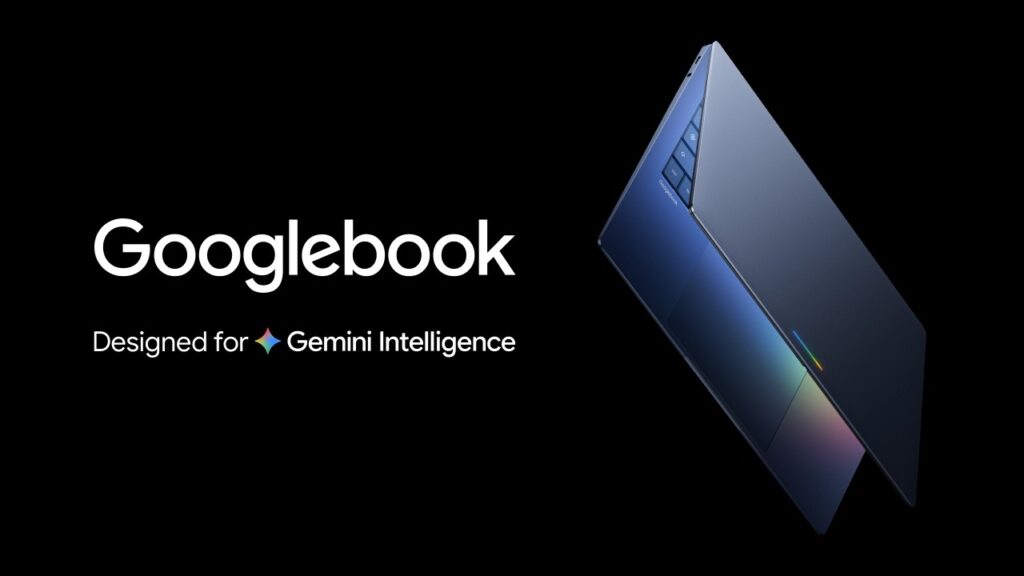
The traditional Chromebook as we knew it is officially obsolete. The browser-centric cloudbook has given way to a new era of proactive, AI-native hardware and software. For Computing News & Updates, explore why Chromebook is dead and how Googlebook from Google IO is the AI reset we've been waiting for. Get insights on this shift. This transition marks a fundamental change in how we view budget computing, moving from a device that simply accesses the web to a personal, intelligent assistant designed to work across varying climates and connectivity levels. The verdict is in: the Googlebook is not just a replacement; it is the necessary evolution of the platform.
The End of the Browser-First Model
The success of the Chromebook was built on simplicity, security, and the cloud. For years, it was the dominant player in education and a strong contender for budget-conscious home offices. However, the industry has shifted significantly. The demand for powerful offline tools, local AI processing, and native application support exposed the cracks in a system heavily reliant on a constant internet connection and browser-based extensions.
The "dead" moniker does not imply that ChromeOS devices will vanish overnight. It signifies the death of the old philosophy. The new paradigm, previewed at Google IO as the Googlebook, understands that modern computing requires intelligence at the edge. Users working in varying climates or without access to major ISPs require a machine that can think and act independently of the cloud. The old model simply could not keep up with the latency and privacy demands of modern AI agents.
Why the Old Chromebook Model Failed
- Dependence on cloud connectivity for meaningful tasks, making it unreliable in offline or low-bandwidth environments.
- Limited local processing power restricted the ability to run advanced creative or analytical software natively.
- A security model that, while robust, relied on sandboxing an outdated architecture rather than embracing hardware-level AI security.
The Googlebook: An AI Reset
Deep Gemini Integration
The defining feature of the Googlebook is its deep integration with the Gemini AI model. Unlike the old Chromebook, where AI was a surface-level extension, Gemini serves as the operating system's co-pilot. It manages files, summarizes documents, composes emails, and generates images directly on the device via the Neural Processing Unit (NPU). This is the AI reset the platform desperately needed to compete with the next generation of AI PCs.
Contextual Proactivity
Imagine a device that prepares your meeting notes before you join a call, organizes your desktop based on your current task, and translates a foreign language webpage without you asking. The Googlebook uses contextual awareness to anticipate the user's needs, shifting from a passive tool to an active partner in productivity. This is particularly powerful for global audiences managing diverse workflows.
Offline Mastery
One of the most significant upgrades is the device's competency offline. By processing AI tasks locally on the NPU, users can edit complex documents, generate creative assets, and run powerful data analysis tools without a signal. For the first time, a device in this category is genuinely useful for professionals working in remote areas or on international flights.
Pro Tip: When transitioning from a legacy Chromebook to a Googlebook, ensure your home office network is optimized for hybrid cloud and local workflows. Configuring your device to prioritize local storage for sensitive documents while syncing to the cloud for backup offers the best balance of speed, privacy, and accessibility in any connectivity scenario. This is best for home offices that demand reliability from major ISPs or satellite connections.
What This Means for the Global Consumer
The Googlebook is designed for universal application. It serves the student who needs deep research aids, the enterprise worker who demands seamless VPN and SaaS integration, and the creator who requires local rendering power. It is compatible with the major productivity suites and internet service providers, making it an excellent choice for varying climates and network conditions around the globe.
This shift also redefines the cost-to-value ratio. While specific pricing structures are still emerging, the Googlebook is expected to aggressively compete in the mainstream USD bracket, offering AI capabilities previously reserved for high-end laptops at a fraction of the price. This democratizes advanced computing power, ensuring that the AI reset is available to a wide audience.
The Verdict: A Necessary Evolution
Declaring the Chromebook dead is not an admission of defeat; it is an acknowledgment of progress. The Googlebook represents a pivotal moment in computing history where hardware and artificial intelligence converge to create a genuinely intuitive user experience. It is the AI reset that frees users from the limitations of the browser and empowers them with on-device intelligence.
Are you ready for the next chapter in computing? Do you believe this shift from a browser-based system to an AI-integrated operating system is the breakthrough the market needed? Let us know your thoughts in the comments below. Share your experience with your current device and what you are most excited about in the Googlebook era.
Frequently Asked Questions
What is the primary difference between a Chromebook and a Googlebook?
A Chromebook primarily functions as a web browser with cloud storage, relying heavily on internet connectivity for most tasks. A Googlebook is an AI-native device that uses an integrated Neural Processing Unit to run intelligent workloads locally, providing powerful offline capabilities and proactive assistance through deep Gemini integration.
Will my existing ChromeOS extensions and apps work on a Googlebook?
While backward compatibility is a high priority, the Googlebook architecture is optimized for native Android and Linux apps designed to leverage the NPU. Users transitioning from a ChromeOS device may find that many standard web tools run similarly, but the most advanced features will be found in applications updated for the new AI framework.
Is the Googlebook a suitable replacement for a Windows laptop or MacBook?
For users whose workflow involves creative production, complex data analysis, or high-level coding, the Googlebook offers a compelling alternative with its AI-powered tools. It is best for home offices and education where managing varying climates of connectivity and task loads is crucial. Traditional power users of specific legacy software suites should verify compatibility, but for the majority of users, the Googlebook provides a faster, more intuitive experience.
How does the Googlebook perform offline?
Exceptional. The entire premise of the Googlebook hinges on the ability to perform complex AI tasks without an internet connection. The local NPU handles voice-to-text, image generation, data sorting, and contextual suggestions directly on the device, ensuring consistent performance whether you are connected to a major ISP or working remotely in an area with poor connectivity.
When can consumers expect to purchase a Googlebook?
Following the announcements at Google IO, availability is expected to roll out gradually throughout the coming year. Specific launch dates will vary by region, but initial releases are anticipated in major global markets first. Keeping an eye on official Google channels and trusted computing news sources will provide the most accurate timing for your area.