Who Owns Wizardry? Drecom and Atari Both Claim the Series
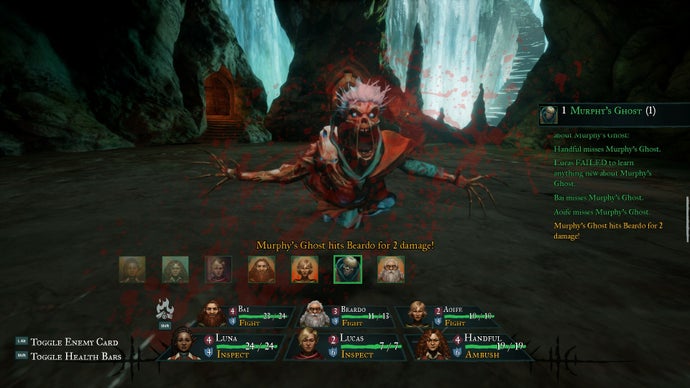
The Wizardry franchise stands at the center of an unprecedented intellectual property dispute that has left the gaming industry watching closely. Drecom Co. and Atari clash over fantasy RPG Wizardry. See how this split shapes Wizardry: Proving Grounds of the Mad Overlord Remake on PC by Digital Eclipse. This divided ownership structure creates a complex legal landscape where both entities maintain legitimate claims to the legendary dungeon-crawling series, forcing developers and publishers to navigate overlapping rights in a scenario rarely seen in modern entertainment.
Unlike typical acquisitions that transfer complete control, this arrangement splits custody between Drecom and Atari, meaning neither party holds unilateral authority over the entire catalog. For fans of classic computer RPGs, the immediate impact surfaces through the ongoing release of the Proving Grounds of the Mad Overlord remake, a project that now exists within a bifurcated rights ecosystem. Understanding who controls what is no longer academic; it directly influences where and how audiences can experience this foundational text of the role-playing genre.
The Origins of the Wizardry Ownership Dispute
Drecom's Path to the Wizardry IP
Drecom, a Tokyo-based media and game company, moved to secure Wizardry rights through its acquisition of the IP from previous Japanese stakeholders who had long managed the property since Sir-Tech's original stewardship ended. The company positioned itself as the custodian of the franchise's future, leveraging its domestic market expertise to fund and authorize new projects that would respect the series' punishing legacy. By establishing control over core development permissions, Drecom signaled its intent to resurrect the series for modern platforms, including the ambitious remake of the 1981 landmark title that first introduced party-based dungeon crawling to computer gaming.
Atari's Parallel Ownership Claim
Atari, operating through its broader IP portfolio strategy, maintains that it holds legitimate rights to the Wizardry franchise in multiple territories outside Japan. This claim stems from historical licensing agreements and corporate asset transfers that predate Drecom's involvement, weaving through a tangled history of Western PC publishing rights. Rather than a straightforward case of counterfeit ownership, the dispute reflects decades of fragmented contracts, regional publishing deals, and successor-in-interest claims that have left the title's legal status remarkably murky for developers attempting to release content globally.
Impact on the Digital Eclipse Remake
Development Under Divided Custody
Digital Eclipse, a studio renowned for its faithful retro revivals and preservation-first methodology, faces the unenviable challenge of delivering Wizardry: Proving Grounds of the Mad Overlord Remake while satisfying two separate rights holders with divergent commercial interests. This scenario demands careful contractual navigation, as split custody can influence everything from revenue sharing to creative control and marketing budgets. For players, the end product remains a meticulously rebuilt experience that preserves the original's punishing difficulty, grid-based exploration, and first-person dungeon mapping, but the business mechanics behind its release are anything but conventional in the modern publishing landscape.
Key Development Challenges Under Split Custody
- Revenue sharing agreements must satisfy both Drecom and Atari before additional funding or sequels are approved.
- Marketing campaigns require dual approval, often delaying announcement schedules and trailer releases.
- Patch rollouts and bug fixes face potential territorial restrictions when underlying code ownership is contested.
- Physical retail production or collector editions become complicated when separate publishers control distribution in different regions.
Global Distribution and Regional Pricing
When IP ownership fragments across continents, distribution strategies become complicated and sometimes inconsistent. The remake's availability on PC through Steam and other digital storefronts must account for territorial claims held by each company, requiring separate product listings or publishing labels in certain regions. While North American and European markets may see publishing coordination through Atari-linked channels, Asian territories likely fall under Drecom's direct jurisdiction. This division rarely affects the base gameplay experience or core system compatibility, but it can create discrepancies in pricing, promotional timing, and post-launch support, with standard editions typically ranging between $29.99 and $39.99 USD depending on regional licensing costs and publisher agreements.
Industry Implications and Player Guidance
Pro Tip: Before purchasing any classic RPG remake affected by split IP ownership, verify which publisher handles your regional storefront. This ensures you receive proper customer support, localized updates, and valid DLC entitlement without encountering territory-locked content.
What Split Custody Means for Game Preservation
Dual ownership scenarios present both opportunities and substantial risks for historical franchises attempting to remain relevant. On one hand, competition between rights holders can accelerate development schedules and increase investment as each party seeks to demonstrate the value of its stake. On the other, conflicting business objectives may delay critical patches, restrict backward compatibility efforts, or complicate future remasters and compilation releases. For a genre-defining series like Wizardry, which influenced everything from Final Fantasy to Etrian Odyssey and countless modern indies, ensuring unfettered access to its modern iterations remains critical for educational and entertainment purposes across varying climates of player interest and market demand.
Compatibility and Platform Support
The PC release by Digital Eclipse targets universal compatibility with modern Windows systems, making it ideal for home offices and dedicated gaming setups alike regardless of hardware generation. System requirements remain modest by contemporary standards, ensuring the title runs smoothly on laptops and desktops spanning multiple generations without requiring specialized components. However, because Drecom and Atari each manage distinct regional publishing contracts, console ports or potential mobile adaptations may follow divergent roadmaps or launch schedules. Players should monitor official channels from both companies to confirm platform availability, patch notes, and regional announcements specific to their territory.
Conclusion
The Wizardry ownership dispute represents a rare but increasingly relevant case study in fractured intellectual property within interactive entertainment. While Drecom and Atari each assert valid control over portions of the franchise, the immediate beneficiary is the player who gains access to a faithful, painstaking remake of one of RPG history's most influential titles. As the industry continues to mine legacy properties for modern audiences, this split-custody model may become more common, particularly for series with transnational appeal and convoluted publication histories. Gamers should remain informed about which entity serves their region to maximize support, secure valid license keys, and maintain content access. Share your thoughts on this unique arrangement in the comments, and let us know whether you plan to pick up the remake on PC this year.
Frequently Asked Questions
Who currently owns the Wizardry franchise?
Both Drecom and Atari maintain ownership claims over different aspects of the Wizardry franchise. Drecom controls significant development and publishing rights, particularly in Japan, while Atari holds parallel claims in Western territories, creating a split custody arrangement.
Is the Wizardry remake available worldwide?
Wizardry: Proving Grounds of the Mad Overlord Remake is available on PC in most major markets, but regional publishing rights differ. Check your local digital storefront to confirm availability, as Drecom and Atari manage distribution in separate territories.
What is the retail price for the PC remake?
The standard edition typically retails between $29.99 and $39.99 USD on PC digital platforms. Regional pricing may vary based on local licensing agreements, taxes, and publisher-specific markups tied to the split ownership structure.
Will split ownership affect future updates or DLC?
While the core game receives technical support from Digital Eclipse, future expansions or DLC depend on negotiations between Drecom and Atari. Players should expect potential delays or regional exclusivity if the rights holders fail to coordinate content roadmaps effectively.
Do I need a region-specific account to buy this game?
In most cases, no. Major PC storefronts like Steam offer global purchasing options. However, because Atari and Drecom govern separate markets, certain promotional discounts, language packs, or customer support resources may be restricted to accounts registered in specific regions.