Valve Argues NY Lootbox Gambling Case Violates Free Speech
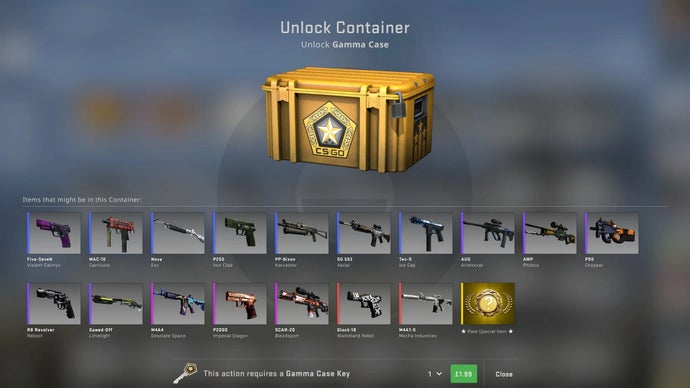
The gaming industry stands at a critical legal crossroads as Valve Corporation is mounting an aggressive defense against a New York lawsuit that seeks to classify Steam loot boxes as unlicensed gambling. Discover why Valve argues the New York case against Steam loot boxes as gambling violates free speech and could have a chilling effect on game design. Read now. This landmark case challenges the very nature of virtual item economies and raises profound questions about the limits of government regulation over interactive entertainment in a digital era.
The Constitutional Core: Video Games as Protected Expression
Valve's central argument is that video games are a form of expression fully protected under the First Amendment. Building on the 2011 Supreme Court ruling in Brown v. EMA, which struck down a California law banning the sale of violent video games to minors, Valve's legal team asserts that the mechanics of a game are part of its expressive narrative. To classify the randomized virtual item drops—loot boxes—as illegal gambling is to force a government standard onto creative design. The company argues that the state is essentially dictating which game mechanics are permissible, a concept that is anathema to free expression.
Deconstructing the Legal Definition of Gambling
New York law defines gambling as paying something of value for a chance to win a prize. Valve's defense hinges on a strict interpretation of "value." The company insists that the virtual items inside a loot box are not a prize of monetary value because they cannot be legally sold or exchanged for real currency within the official Steam ecosystem. While a bustling third-party market for skins and items exists, Valve strictly prohibits these transactions on its platform. This closed-loop argument is central to their defense: if the items have no official cash-out mechanism, the prize has no "real world" value, and thus the mechanics do not meet the legal definition of gambling.
Understanding the Chilling Effect Doctrine
The "chilling effect" is a powerful legal concept that describes how the mere threat of a law can deter people from exercising their rights. Valve argues that allowing the New York lawsuit to proceed would have an "impermissible chilling effect" on video game design. Developers, fearing litigation, would avoid any mechanic that involves a random reward tied to a purchase. This would not just affect loot boxes; it could impact trading card game mechanics, seasonal blind bags, or even certain role-playing game progression systems. The result would be a stifling of innovation and a homogenization of game economy design across the industry.
Global Repercussions and Industry Precedent
The implications of this case extend far beyond the boundaries of New York State. If the lawsuit succeeds, it could set a powerful precedent for other jurisdictions worldwide looking to regulate digital economies. The United States has traditionally taken a light regulatory touch regarding video game content compared to nations in Europe and Asia. A ruling against Valve's free speech argument could create a flood of similar legislation, forcing developers to design games that comply with a patchwork of international and state-specific laws. This inevitably raises the cost of development and places immense pressure on smaller indie studios that rely on the Steam platform for distribution. It could also drive major publishers to rethink their PC monetization strategies, favoring walled-garden ecosystems where they have absolute control over the transaction flow.
Pro Tip: Studios of all sizes should treat this legal battle as a critical warning signal. Rather than waiting for the courts to define the boundaries of protected design, proactively adopt industry-wide best practices. This includes publishing exact drop rates for randomized items, offering direct purchase alternatives for cosmetic and gameplay items, and implementing hard pity timers to guarantee rewards. These steps effectively neutralize the "predatory" criticism that drives regulatory action, protecting creative freedom without waiting for a judicial mandate.
The Strategic Argument and Path Ahead
Valve is fighting this case on multiple fronts. Beyond the First Amendment defense, they are challenging the jurisdiction and questioning whether virtual items can even be legally defined as "goods" under existing property laws. If the court determines that a Steam inventory item holds no tangible value, the entire foundation of the gambling claim collapses. However, critics highlight the psychological and financial harm caused to vulnerable players, especially minors, by randomized monetization. This creates a classic tension between protecting consumer welfare and defending creative and commercial expression. The court will ultimately have to decide whether the expressive nature of the game mechanic outweighs the potential consumer harm. The outcome will likely ripple through the video game industry for decades, defining the boundaries between regulated commerce and protected speech in the digital age. The concept of a "chilling effect" serves as the fulcrum upon which this entire argument balances.
The Verdict on Innovation and Regulation
This case is a referendum on the future of game design. Valve's argument that the New York case represents an unconstitutional prior restraint is a high-stakes gamble that could either protect the industry's creative freedom or expose it to stricter regulation. As the legal process unfolds, the entire global gaming ecosystem is watching to see whether the First Amendment shield is strong enough to protect the virtual worlds that millions inhabit daily. The decision will draw a definitive line in the sand for what constitutes permissible game design versus actionable gambling mechanics. Share your perspective on this critical legal battle in the comments below. Do you believe the potential for a chilling effect justifies Valve's defense, or does consumer protection take precedence in this complex intersection of law, art, and commerce?
Frequently Asked Questions
What is the central legal argument from Valve in this case?
Valve argues that video games are protected speech under the First Amendment. They claim that classifying loot boxes as gambling forces the government to dictate how games are designed, which constitutes an unconstitutional prior restraint on protected expression. They also argue the virtual items hold no official real-world cash value within the closed Steam ecosystem.
What does chilling effect mean in the context of this lawsuit?
A chilling effect occurs when the threat of legal liability discourages individuals or companies from exercising their lawful rights. Valve argues that if the New York case is allowed to stand, game developers will be afraid to implement any randomized mechanics that could be construed as gambling, thus chilling innovation and experimentation in game design across the entire industry.
Why does the distinction between real-world value and virtual value matter?
It is crucial to the legal definition of gambling. Most gambling laws require a wager of something of value for a chance to win a prize. Valve contends that because Steam strictly prohibits the cash-out of virtual items, those items have no official "real-world" value. New York argues that the thriving third-party black market proves the items hold tangible value, blurring this legal distinction.
How would a ruling against Valve affect game developers outside the US?
While the US Supreme Court's rulings on free speech do not directly bind foreign courts, they hold significant persuasive power globally. A ruling against Valve would likely embolden regulators in the EU, UK, and Australia to pursue similar restrictions on video game monetization. It would also set a global precedent regarding the legal status of virtual items, making it harder for international developers to argue against local regulations.
What steps can developers take now to prepare for potential regulation?
Developers can proactively implement measures to reduce legal risk regardless of the outcome of this case. This includes providing transparent drop-rate disclosures (a standard in China and the EU), avoiding pay-to-win mechanics that tie randomized items to competitive advantage, and offering direct purchase alternatives for cosmetic items. Adopting a strictly consumer-friendly monetization model now is the best preparation for any future regulatory landscape.