Stop Killing Games petition gets EU reply before summer
A landmark petition targeting the practice of making purchased video games unplayable by switching off their servers has successfully crossed a major regulatory threshold in Europe. The initiative has forced the European Commission to take a formal look at the commercial ethics behind game server switch offs. The Stop Killing Games petition on game server switch offs will get a European Commission reply before summer. Learn how this could affect PC game preservation. This move signals a potential paradigm shift, treating the deliberate destruction of a functional digital purchase as a potential breach of consumer trust and fair trading law, rather than just a frustrating business decision.
The Core of the Conflict: Digital Ownership vs. Persistent Services
The petition, spearheaded by content creator Ross Scott, was fueled by a series of high-profile server closures that effectively bricked paid titles. The shutdown of Ubisoft's The Crew became a rallying point, demonstrating how a game could be rendered completely inaccessible due to its always-online architecture. This practice raises a critical question: when a publisher sells a game, are they selling a perpetual license to a piece of software, or a temporary subscription that can be terminated at will? The European Commission's promise to reply indicates that this question has serious legal merit.
Why PC Gaming is the Epicenter
While console gaming is also affected, the PC platform faces unique preservation challenges. The open nature of the PC ecosystem historically celebrated for backward compatibility clashes directly with the modern publisher's desire to control product lifecycles. Unlike a physical cartridge, a game that requires a server handshake is a ghost the moment the server goes down, regardless of its installation on the user's hard drive. The potential reply from the EU specifically targets this vulnerability, potentially forcing publishers to leave behind a functioning product.
What the European Commission Promised
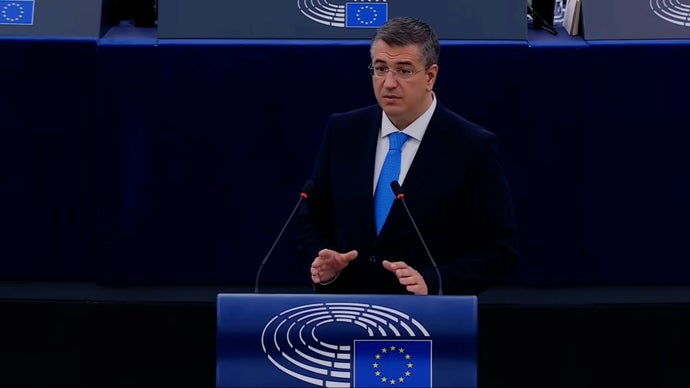
During a recent debate in the European Parliament, officials formally acknowledged the petition. The commission pledged to provide a substantive legal analysis before the summer parliamentary recess. The reply will address whether current EU consumer protection laws, specifically the Unfair Commercial Practices Directive (UCPD), are sufficient to cover the act of disabling a game's servers after the transaction is complete. If the commission finds a gap in consumer protection, it could signal the beginning of new legislation designed to force publishers to guarantee a minimum viable product lifespan or release server software for community hosting.
The Legal Mechanisms on the Table
The debate focuses on whether the sale of an online-only game constitutes a contract for a functional product. Selling a product with a known, undisclosed expiration date could be considered an unfair commercial practice. Furthermore, if a game is marketed as a purchase rather than a subscription, the deliberate destruction of its core functionality post-sale could be interpreted as a violation of the consumer's right to a durable product. The principle of "planned obsolescence," a powerful concept in EU law, is a key analogy that the commission will likely explore in its formal response to the petition.
Pro Tip for Global Gamers: While we await the formal text of the reply, record your proof of purchase for digital games and document delisting or server shutdown announcements. If the petition leads to a regulatory framework, evidence of the transaction and the subsequent loss of service will be critical for consumer protection bodies. Store your screenshots and emails in a dedicated folder to create a stronger paper trail for potential reimbursement or restoration rights.
Potential Global Ripple Effects on Game Preservation
The European Union often acts as a regulatory bellwether. Landmark decisions regarding digital rights, data privacy, and right-to-repair have frequently originated in the EU before influencing global standards. If the commission determines that publishers have a legal obligation to ensure the longevity of their products, it could embolden similar regulatory bodies in the United Kingdom, the United States, and Australia to pursue their own enforcement actions. For the PC game preservation community, a favorable reply could legitimize the archiving of server code and the modification of games to run locally, shifting the definition of preservation from a gray-hat hobby to a recognized compliance standard.
The Publisher's Counterargument
Publishers will likely push back against strict legislation. Their primary arguments include the ongoing cost of server maintenance for legacy titles, the security risks of releasing proprietary server code, and the potential stifling of innovation in live-service models. However, the petition and the subsequent EU debate argue that these business risks do not negate the consumer's right to retain access to a product they purchased. The reply will have to balance the economic reality of the games industry with the foundational legal principles of sales and contract law.
The Future of Your Digital Library
The promise of an EU reply before summer is a validation of the principle that a purchase should be a purchase. For the global PC gaming community, this represents the best chance in years to halt the troubling trend of games disappearing entirely from the cultural record. The outcome of this debate will directly influence whether future titles can be retroactively preserved or if the industry will be forced to adopt more ethical standards regarding server support windows. This is your library, your hobby, and your history. Have you lost access to a game you loved after a server closure? Share your story in the comments below to illustrate the real-world impact of this decision.
Frequently Asked Questions
What is the "Stop Killing Games" petition asking for exactly?
The petition demands that regulators require publishers to keep games in a functional state. Specifically, it argues that if a publisher sells a game with mandatory online features, they must provide a mechanism for the game to remain playable, such as releasing server code or providing an offline patch, before they terminate support. It is a direct challenge to the model of selling a product only to remotely disable it.
When will the European Commission officially reply?
The commission has promised to deliver a formal reply before the summer recess of the European Parliament. This schedule implies that gamers and industry stakeholders can expect an official legal analysis and statement of intent within the next few months. The reply will clarify if the current consumer protection framework applies or if new rules are needed.
Does this petition affect games I buy on Steam or Epic?
Yes, potentially. The petition targets all publishers operating within the scope of the EU market. If the commission acts, it would apply to any online game sold to EU consumers, regardless of the storefront. This could force publishers to change their end-of-life protocols for all games sold in the region, which often sets a global precedent due to the cost of maintaining different standards for different regions.
How does this relate to video game preservation?
Game preservation heavily relies on archiving and community effort. "Stop Killing Games" tackles the root cause of the problem: the legal and commercial barriers that prevent the community from keeping games alive after official support ends. If the law forces publishers to release a server-less version of the game, it bypasses the need for legal gray-area emulation and directly provides a preserved copy for future generations.
Can non-EU citizens support this effort?
Yes. While the petition was submitted under the European Citizens' Initiative structure, gamers globally can contribute to the conversation, share the information, and pressure their own local regulatory bodies. The outcome of the EU debate will serve as a powerful case study and legal argument for similar consumer rights actions in North America, Asia, and other markets.