Setel Introduces In-App Bill Payment Feature in Malaysia
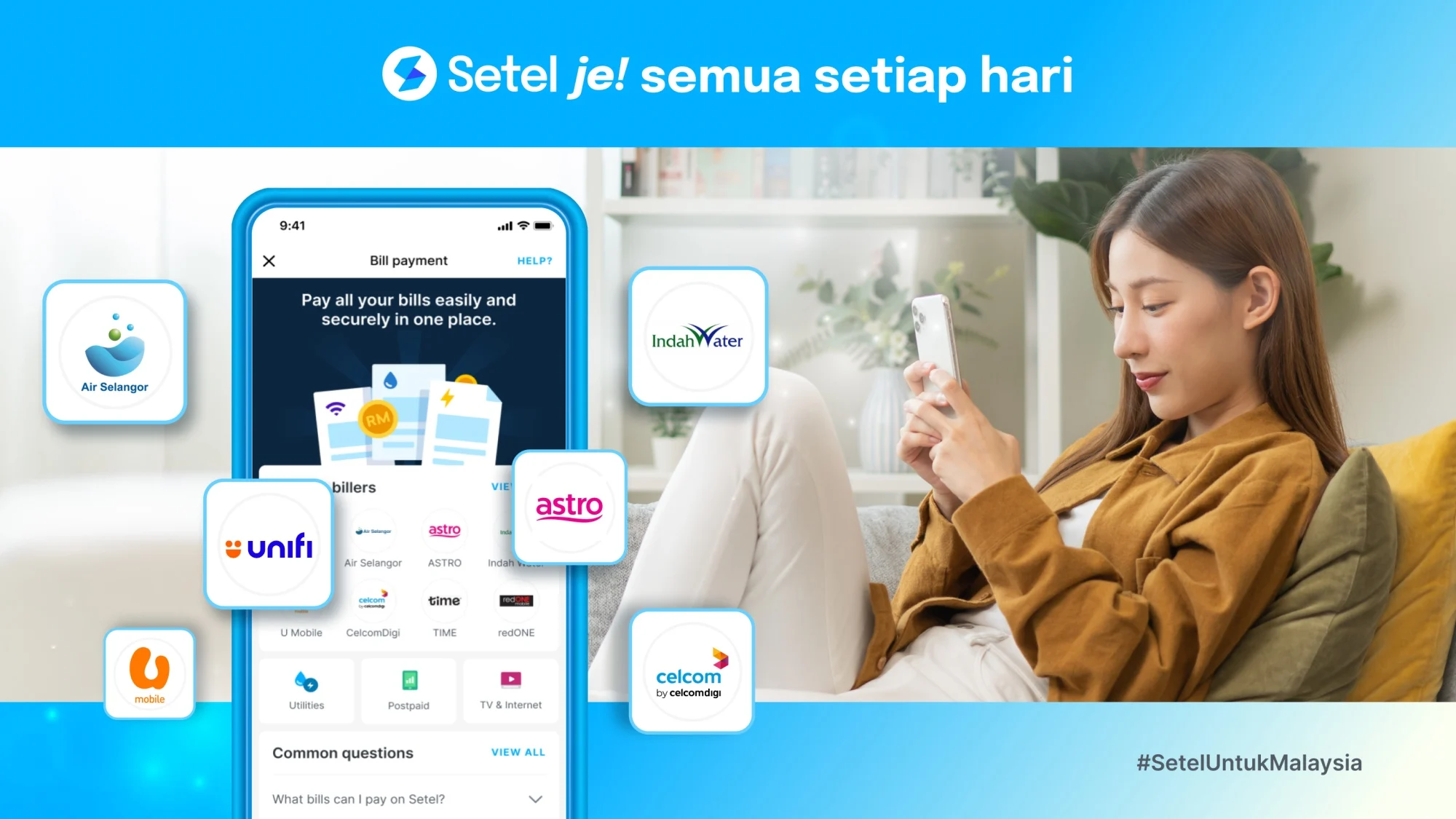
The expansion of mobile financial ecosystems continues to accelerate, making consolidated money management a core consumer demand. It is within this context that Setel introduces a new in-app bill payment feature, joining other leading fintech apps. Users can now conveniently pay bills directly through the Setel app. This feature marks a critical step in Setel's transformation from a specialized fuel payment platform into a comprehensive financial super-app. For users, it directly tackles the fragmentation of modern payment management by offering a single, streamlined interface for handling regular household expenses. For the platform, it represents a significant increase in user engagement and lifetime value.
The Strategic Shift: From Niche Service to Financial Hub
The decision to integrate bill payments is a masterstroke focused squarely on user retention. In the highly competitive fintech arena, habitual engagement is the ultimate prize. Originally built around the convenience of fuel payments, Setel's expansion into bill management allows the app to occupy a central space in the user's daily financial routine. This mirrors a global shift where the winners in digital finance are platforms that successfully bundle the most essential transactions—fuel, groceries, and utilities—into a single, secure interface, transforming a periodic tool into an indispensable financial hub.
Reducing Friction in Recurring Payments
The primary value of in-app bill payment is friction reduction. Consumers globally juggle numerous recurring bills for electricity, water, and telecommunications. Remembering due dates and navigating multiple portals is a significant cognitive burden. By aggregating payees within a single trusted app, Setel dramatically reduces this overhead, helping users avoid late fees while providing a consolidated dashboard for better personal financial management.
Universal Lessons in the Super-App Model
While this specific update targets the Malaysian market, the underlying strategy holds universal lessons for the global fintech industry. The super-app model, pioneered in Asia, is rapidly becoming the standard for financial applications worldwide. Integrating seemingly disparate services like fuel payments, merchant checkout, and bill settlement creates powerful network effects. Every interaction strengthens the data model and increases the platform's value. Setel's expansion demonstrates how local fintechs must evolve into comprehensive service providers to compete against digital-first banks and global tech conglomerates.
Pro Tip: To maximize the benefits of in-app bill payment, schedule a monthly review of your aggregated transactions. Cross-reference the payment records in your fintech app against your original bills to ensure accuracy and catch any discrepancies early. Many platforms offer cashback or reward points for specific bill types; optimizing your payment schedule based on these offers can yield passive savings over the course of a year. This single habit of digital audit is a cornerstone of modern financial hygiene.
Setel's introduction of in-app bill payments is a well-calibrated move that aligns perfectly with global trends toward consolidation and convenience. By addressing a fundamental user pain point, the app strengthens its market position and provides a clear path toward becoming a fully-fledged financial super-app. For the consumer, the message is clear: the future of personal finance lies in integrated, intelligent, and frictionless platforms.
Have you integrated bill payments into your primary digital wallet or finance app? What features do you consider essential for a super-app to earn your daily trust and usage? Share your experiences and strategies in the comments below to help the community navigate the evolving digital payments landscape.
Frequently Asked Questions
Why do fintech companies aggressively add features like bill payment?
Fintech platforms operate in a highly competitive market where user retention is paramount. Adding bill payment increases the frequency of user engagement, transforming the app from a periodic tool into a daily necessity. This habitual usage creates a strong moat against competitors and increases the lifetime value of each customer.
What should users look for when paying bills through a third-party app?
Users should verify the app's security certifications and encryption standards. It is also critical to understand payment processing timelines, as some transactions take one to three business days. Confirming the list of supported billers and understanding any convenience fees is essential before relying on any single super-app for total bill management.
Does using a super-app for bills offer financial benefits beyond convenience?
Yes, many platforms provide tangible incentives such as cashback percentages, loyalty points, or exclusive discounts for processing payments through their interface. Additionally, consolidating spending into a single dashboard provides clearer insights into personal cash flow, which aids in budgeting and identifying unnecessary expenditures.
Can in-app bill payments be set to automatic?
Most advanced fintech apps offer an auto-pay feature for recurring bills. Users can typically set a payment limit and a preferred funding source. This automation provides peace of mind by ensuring critical payments are never missed, provided the user maintains sufficient funds in the chosen account.
How does this feature impact the traditional banking sector?
The rise of super-apps offering banking-like services increases competitive pressure on traditional banks. It forces legacy institutions to accelerate their digital transformation or risk losing the primary customer interface. For the consumer, this competition typically results in better user experiences, lower fees, and more innovative financial products.