Samsung Patent Details Rollable Phone with Movable Camera
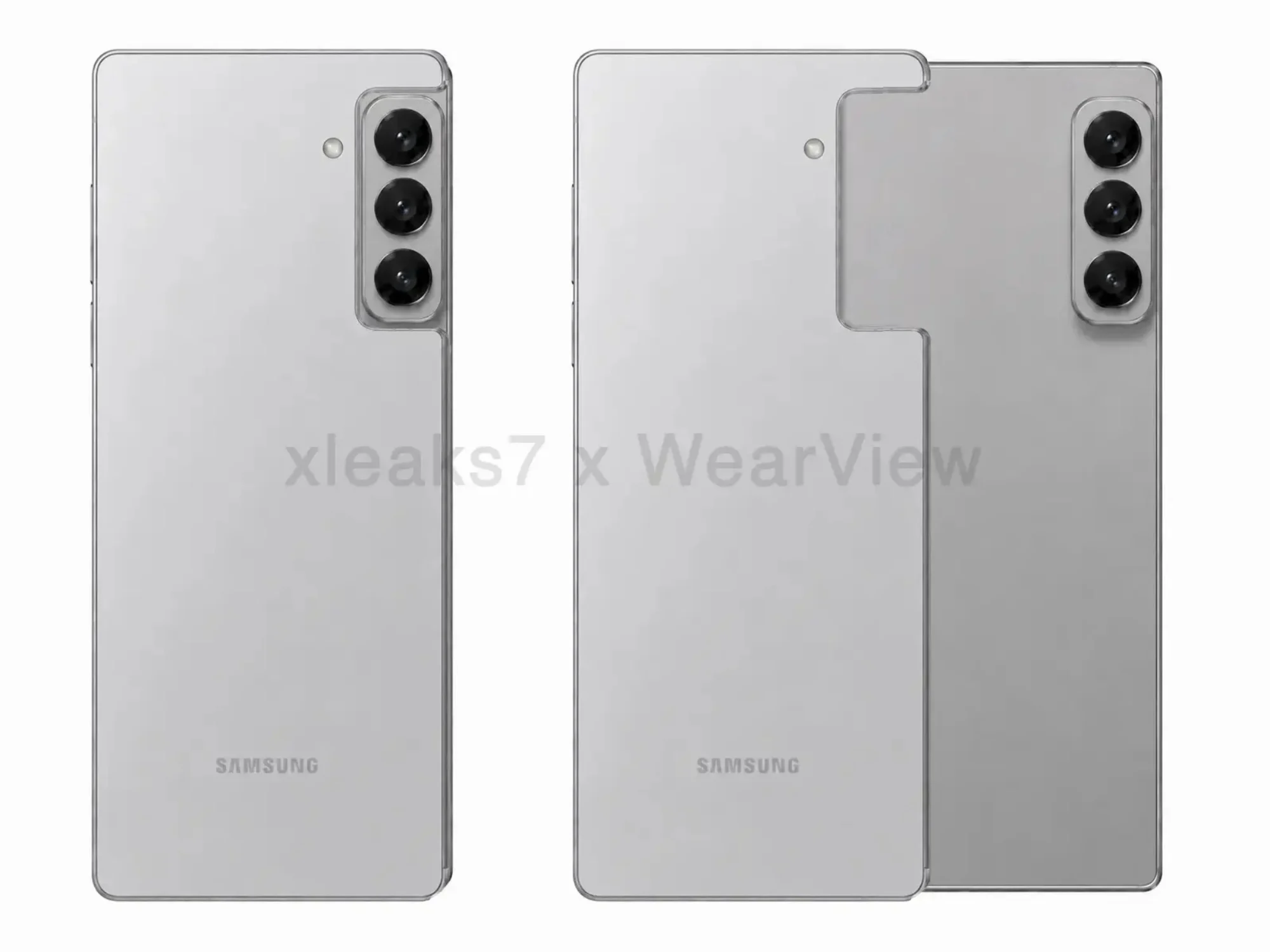
Samsung is redefining the limits of mobile engineering with a newly surfaced patent for a rollable phone that features an innovative, mechanically translating camera module. Explore Samsung's rollable phone patent with a movable camera module. Get the latest Mobile Phones and Rumours & Leaks insights. This design tackles a fundamental challenge of expandable displays: where to place the front-facing camera when the screen is in a compact state. Instead of relying on an under-display camera or a static punch-hole, Samsung proposes a physically moving optical system that rides the sliding chassis to provide an uninterrupted, full-screen experience in every mode and for users in varying climates.
The Mechanical Genius of the Movable Camera Module
Previous rollable concepts, like the canceled LG Rollable or the Oppo X 2021, kept their cameras strictly in the traditional top bezel or the main body. Samsung's patent takes a distinct approach by integrating the camera into the moving portion of the device. This is not a simple pop-up mechanism; it is a sophisticated sliding system that maintains precise alignment with the device's expanding chassis. The camera module likely connects via a flexible ribbon cable (FPC) that extends and retracts alongside the display, ensuring uninterrupted electrical continuity during the transition from phone to tablet mode.
Benefits for Photography and Videography
By housing the camera on a movable platform, Samsung can theoretically leverage a larger, higher-resolution sensor compared to an under-display camera (UDC). UDC technology often compromises image quality due to the physical overlay of pixels and lower light transmission. A dedicated movable module avoids this entirely, allowing for a standard, high-quality lens and sensor. This results in sharper selfies, more reliable video calls, and a superior face unlock experience, regardless of whether the device is compact or fully extended. The module also allows for advanced optical image stabilization without the interference of a display layer.
Durability: Learning from the Z Fold Series
Moving parts are traditionally a liability in modern sealed electronics. Samsung has spent years refining the hinge technology and brush-sealing mechanisms on the Galaxy Z Fold and Z Flip series to combat dust ingress. We can expect the rollable camera module to benefit directly from this engineering investment. The patent likely details specific dust-proofing elements, such as micro-brushes or labyrinth seals, to prevent debris from jamming the precise sliding mechanism. This makes the form factor viable for professional environments and varying global climates.
- Integrated sliding mechanism synchronized with the main display extension.
- Sealed track mechanism designed to resist dust and water ingress.
- Flexible cable management system for reliable data and power transmission.
- Adaptive software logic to instantly switch camera preview modes based on device state.
- High-resolution sensor without screen overlay, ensuring superior image clarity.
Market Context and Global Positioning
The global smartphone market is hungry for form factor innovation beyond incremental spec bumps. The rollable phone represents a major paradigm shift, offering the versatility of a tablet in a pocket-sized device. This patent positions Samsung at the forefront of the movement, directly challenging the compromises found in competitor concepts. Motorola rolled out the Rizr concept with a static camera bump, and TCL has shown prototypes that rely on traditional bezels. Samsung's movable camera solution suggests a more holistic approach to creating a premium media consumption and productivity tool.
Expected Pricing in USD
Samsung's current ultra-premium devices, such as the Galaxy Z Fold series, command a price tag of around $1,800. A commercially released rollable device featuring this complex mechanical camera system will likely launch at a premium, potentially starting over $1,500. The target consumer is the productivity-focused professional or early adopter who values maximum screen real estate without compromising the front-facing camera quality. This device would serve as an ideal tool for home offices and remote work, replacing the need for a separate phone and tablet.
Pro Tip: When evaluating a device with a movable camera module, prioritize the ingress protection (IP) rating. A rating of IP48 or higher indicates strong resistance to dust, which is the primary threat to sliding mechanical parts. For users in humid or dusty climates, this sealed design is preferable to traditional pop-up cameras which are more exposed.
Actionable Conclusion: A New Standard for All-Screen Devices
Samsung's patent is far more than a theoretical filing; it is a clear roadmap for the next generation of mobile hardware. By moving the camera module, Samsung resolves the conflict between a truly full-screen display and a high-performance front-facing camera. The success of this engineering feat will depend entirely on real-world reliability and aggressive pricing, but the strategic direction is unmistakable. For professionals and creatives who demand an unobstructed canvas for work and play, the rollable phone with a movable camera is the most compelling evolution on the horizon.
Does the movable camera module solve the front-camera compromise for you, or would you prefer Samsung focus on perfecting under-display technology? Share your thoughts on this patent and the future of rollable phones in the comments below.
Frequently Asked Questions
When will the Samsung rollable phone be commercially released?
There is no confirmed release date. While patents demonstrate active R&D, commercial rollable phones from Samsung are widely anticipated by analysts to enter the market no earlier than late 2025 or 2026.
Is the camera module visible when the screen is fully retracted?
No. According to the patent schematics, the camera module is fully retracted and housed safely inside the device chassis when the display is in its compact phone state. It only extends to the top edge when the screen expands into its larger tablet mode.
Will this movable camera be as good as a traditional fixed front camera?
Yes, and it has the potential to be better. Unlike an under-display camera, which degrades in quality by shooting through the screen, this module uses a standard, unobstructed lens and sensor. It will capture as much light and detail as a traditional high-quality front-facing camera.
How does this design compare to the old pop-up cameras?
While conceptually similar, the rollable integrated module is structurally superior. Pop-up cameras were isolated mechanisms prone to failure and protrusion. The rollable camera is integrated into the main chassis sliding system, allowing for tighter seals, greater structural support, and less risk of damage during everyday use. It moves with the body of the device rather than acting as a separate moving part.
Does this patent guarantee Samsung will release a rollable phone?
No. Samsung files thousands of patents to protect intellectual property. However, when a patent specifically targets a major weakness of an existing product category, such as the camera compromise in rollable devices, it strongly suggests active development towards a market-ready solution rather than a purely defensive filing.