My VR Knees Can't Handle Half-Life Alyx Cowering
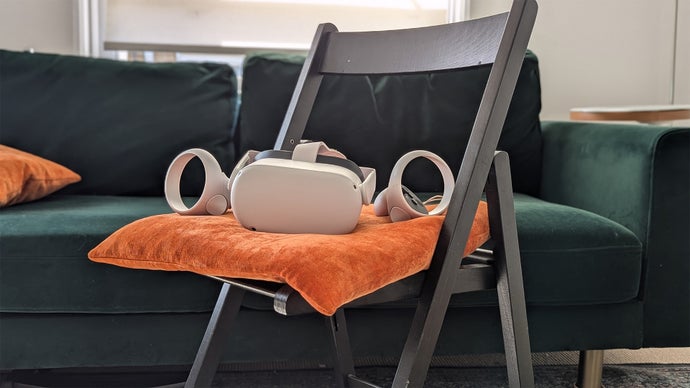
Virtual reality gaming imposes physical demands that can catch even seasoned players off guard. For many, Half-Life Alyx VR highlights my knee struggles and cowering habits. Discover this humorous single-player horror puzzle shooter from Valve on PC. Recognizing these challenges empowers players to adjust their setup and mindset for a more enjoyable experience.
The Physical Reality of VR Gaming
Why Your Knees Take a Beating in VR
VR titles like Half-Life: Alyx often require players to crouch, squat, or kneel to take cover or interact with the environment. These repeated movements can lead to knee strain, especially for those who are not accustomed to such physical activity. Unlike traditional gaming, VR engages the entire lower body, and without proper conditioning, players may experience discomfort or minor injuries. Incorporating simple warm-up exercises and using supportive flooring can significantly reduce this risk.
The Psychology of Cowering in VR Horror
The horror elements in Half-Life: Alyx are designed to provoke a strong emotional response. When players feel threatened, they often default to a cowering posture, hunching their shoulders and bending their knees. This defensive stance, while instinctual, creates tension in the neck, back, and legs. Recognizing this as a natural reaction allows players to consciously relax their muscles and maintain better form, enhancing both comfort and gameplay.
Ergonomic Adjustments for Better VR Sessions
Knee-Friendly Play Space Setup
Optimizing your play area for comfort involves several key factors. Place a cushioned mat in the center of your space to soften impacts from kneeling or crouching. Wear athletic shoes with good arch support to distribute pressure evenly during dynamic movement. Ensure the area is well-lit to see any obstacles, and consider using a small pedestal or stool for sitting when needed. These adjustments can transform a painful VR session into a comfortable and engaging experience.
Mindset Shifts to Reduce Cowering
Mental preparation is equally important. Before diving into intense gameplay, practice breathing exercises to calm your heart rate. Remind yourself that you are in control of the virtual environment. Use the room-scale boundaries to reassure yourself of safety. With repeated exposure, the urge to physically cower will diminish, allowing you to enjoy the narrative without bodily stress.
Pro Tip: Designate a specific spot in your play area where you stand tall and center yourself. Use this spot to reset your posture during loading screens or calm moments in the game.
By recognizing the physical impacts of VR and implementing these strategies, players can fully enjoy the immersive world of Half-Life: Alyx. The game offers a unique blend of horror, puzzle solving, and dark humor that is best experienced when your body is at ease. Share your own tips and experiences in the comments below.
Frequently Asked Questions
What is Half-Life: Alyx?
Half-Life: Alyx is a single-player first-person shooter developed by Valve, exclusively for virtual reality. It serves as a prequel to Half-Life 2 and combines exploration, puzzles, and combat in a richly detailed world.
What are the system requirements for Half-Life: Alyx?
To run Half-Life: Alyx, you need a VR-ready PC with at least a Intel Core i5-7500 or AMD Ryzen 5 1600 processor, 12 GB of RAM, and a graphics card like NVIDIA GeForce GTX 1060 or AMD Radeon RX 580. The game is compatible with major VR headsets such as Valve Index, HTC Vive, and Oculus Rift.
How can I prevent motion sickness in VR?
To reduce motion sickness, start with short sessions and gradually increase play time. Adjust in-game settings like movement speed and comfort options. Ensure your area is well-ventilated and take breaks if you feel dizzy.
Is Half-Life: Alyx scary for new VR players?
Half-Life: Alyx has intense horror elements which may be overwhelming for newcomers. It is recommended to experience less intense VR titles first to build comfort with the technology before tackling its suspenseful atmosphere.
What hobbies complement VR gaming?
Regular physical exercise, such as stretching or yoga, can improve flexibility and reduce strain from VR sessions. Taking breaks to practice deep breathing or walking can enhance overall well-being and sustain long-term engagement with gaming.