Mixtape Avoids Delisting with Extra Music Licensing Fee
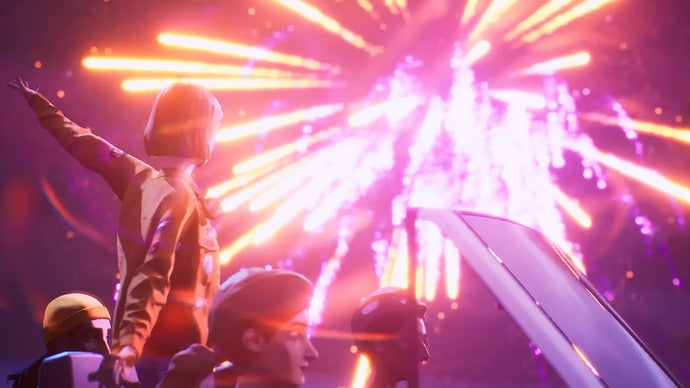
A landmark precedent for digital game preservation has been established, ensuring that a highly anticipated narrative experience remains intact and available forever. The developer of Mixtape has made the bold decision to absorb extra costs for music licensing, effectively guaranteeing the game's permanent presence on digital storefronts. This move directly addresses the widespread frustration of losing access to beloved titles due to expiring license agreements. This analysis details How Mixtape, a story-rich isometric action adventure for PC, PS5, and Xbox Series X/S, avoids delisting as the developer pays extra for music licensing.
The Persistent Threat of Music Licensing Delisting
The video game industry has a long and frustrating history of games disappearing from digital storefronts. The culprit is almost always licensed music. Expensive, short-term licensing agreements mean that a game can be fully functional, critically acclaimed, and commercially successful but still legally compelled to vanish from sale. The delisting of titles like OutRun Online Arcade or the removal of radio stations from Grand Theft Auto are stark reminders that digital games are transient rentals as much as purchases. This creates a consumer trust deficit; players are hesitant to invest in music-driven games for fear of losing access in a few years.
Mixtape: A Case Study in Proactive Preservation
Mixtape, an isometric action-adventure game steeped in the raw emotion of a curated soundtrack, faced this exact threat. The music is not a background element; it is the narrative scaffolding. Recognizing this, the development team took an unconventional approach during the pre-production phase. Instead of accepting the standard 5 to 10-year license windows offered by most rights holders, the developer negotiated for a substantially longer term. This required paying a significant premium upfront for extended licensing fees. This deliberate financial investment transforms Mixtape into a permanently preserved digital artifact, immune to the standard license expiration calendar.
The Strategic Value of Upfront Investment
Critics might question the cost-benefit analysis of such a move. However, the developer's logic is sound. Patching a game to remove licensed music is a costly technical maneuver that often breaks the narrative flow, alienates the community, and requires significant QA testing. Paying for permanent rights simplifies the product roadmap, secures the intellectual property, and signals massive confidence in the longevity of the game. It creates a strong value proposition for the consumer: buy once, own forever, exactly as it was meant to be played.
How This Benefits the Global Gaming Community
For players across PC, PlayStation 5, and Xbox Series X|S, the concrete benefit is peace of mind. There is no need to rush for a physical copy or hoard digital store credit within a limited sales window. The decision places the developer in a position of immense trust with its audience. It raises the bar for transparency in digital sales, directly challenging the industry standard where publishers often remain silent on the licensing terms of the software they sell. Mixtape acts as a beacon for what game preservation should look like in the modern era.
Pro Tip: When considering the purchase of an indie game heavily featuring licensed tracks, seek out official developer statements regarding the length and permanence of their music licensing agreements. A studio willing to invest in perpetual rights, as seen with Mixtape, demonstrates a long-term commitment to the product and its community. Ask the developer directly if they have secured extended licenses, as this is a critical, under-discussed factor in the true value of a digital game purchase.
Comparing Strategies Across the Industry
The standard industry practice is to treat music licensing as a marketing cost tied to a game's launch window. Once the game is no longer driving major sales, the need to renew expensive licenses diminishes in the eyes of corporate accountants. Mixtape flips this model by treating music licensing as a foundational art budget item, comparable to voice acting or animation. This distinction is critical. It means the game will never require a patch to rip out its own soul, ensuring that Let's Plays, critical analysis, and future sales all feature the complete, intended work of art.
Setting a New Standard for Digital Ownership
The decision to pay the price for permanence is a masterstroke of both consumer advocacy and brand building. By ensuring Mixtape avoids the digital graveyard of delisted games, the developer has secured the future of their story. This move empowers players, enhances the game's legacy, and puts pressure on the rest of the industry to adopt similar practices. As digital storefronts continue to dominate the market, transparency and longevity in licensing will become defining features of a quality product. Will this proactive approach become the norm for narrative-driven games? What are your thoughts on the importance of permanent music licensing in video games? Join the discussion in the comments below and let us know if this changes your calculus on supporting a game at launch.
Frequently Asked Questions
What platforms will Mixtape be available on?
Mixtape is scheduled for a full release on PC (via Steam and the Epic Games Store), PlayStation 5, and Xbox Series X|S, ensuring broad accessibility across the major gaming ecosystems.
Why do games with licensed music get delisted?
Games are delisted when the underlying license agreements for their music soundtracks expire. These contracts typically have a fixed term, and when they lapse, the legal right to sell the game with that music vanishes. Renegotiating the rights is often more expensive than simply pulling the product or patching out the tracks.
Does the music in Mixtape affect the gameplay?
Yes, deeply. Mixtape is an isometric action adventure where the soundtrack is woven directly into the narrative and emotional beats of the story. The music is not just a background playlist; it reacts to and enhances the player's journey, making its preservation vital to the complete experience.
Will paying extra for music licensing make Mixtape more expensive?
While the licensing fee is a significant production cost, the developer has strategically absorbed this expense as part of the core budget to ensure the game's legacy. At launch, Mixtape is competitively priced within the standard tier for story-rich indie action adventures, representing exceptional value given its permanent availability.
How can I support developers who pay for permanent music licenses?
The most effective support is to purchase the game at full price at launch and spread awareness of the developer's pro-preservation stance. Engaging with the game's community, providing positive reviews, and directly praising the studio's commitment to long-term availability encourages other developers to adopt similar consumer-friendly licensing models.