Meta Announces AI Measures to Detect Underage Users
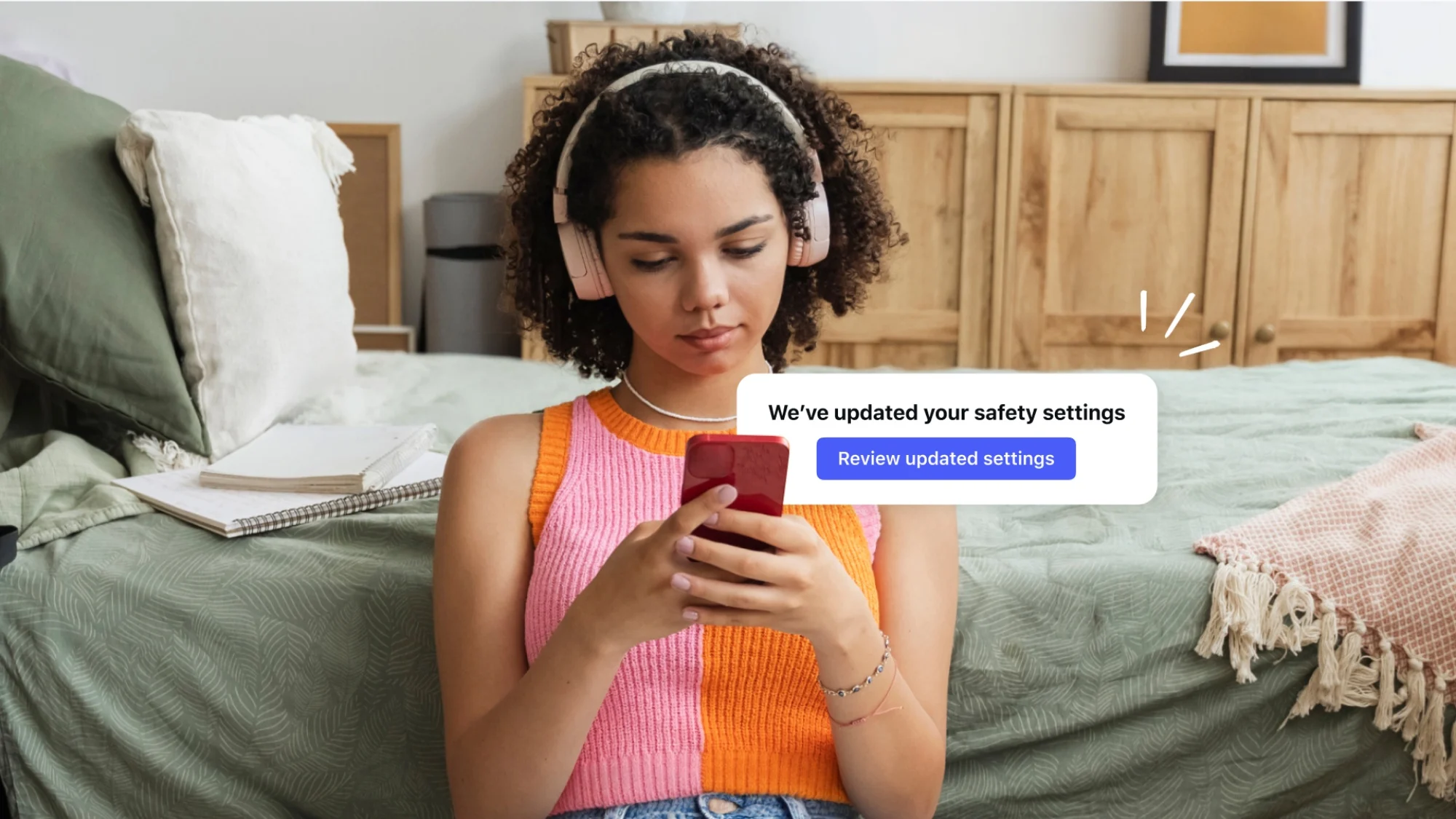
Social media platforms face mounting pressure to protect minors from inappropriate content and online risks, prompting major technology companies to deploy advanced automated systems for age verification. Meta will use Artificial Intelligence to find underage users on Social Media. Learn how Facebook and Instagram plan to enforce age limits with AI detection. The company is rolling out machine learning models designed to identify accounts registered by individuals who fall below minimum age requirements, marking a significant shift from self-reported birthdates to behavioral analysis and predictive algorithms. This initiative targets the persistent problem of underage users bypassing standard registration protocols, offering a more robust layer of protection for younger audiences while addressing intense regulatory scrutiny across multiple jurisdictions.
The Growing Challenge of Age Verification Online
Digital platforms have long relied on user honesty during signup processes, requiring individuals to enter birthdates that frequently go unverified. This honor system has proven inadequate for global services hosting billions of accounts, particularly as younger audiences gain early access to smartphones and internet connectivity. False age declarations create substantial safety gaps, exposing children to targeted advertising, mature content, and potential exploitation. While photo ID uploads and credit card checks have been discussed as alternatives, these methods raise significant privacy concerns and create friction for legitimate adult users. The technical challenge lies in building scalable, non-intrusive systems that accurately distinguish between adults and minors without demanding excessive personal documentation at the point of registration.
Why Traditional Methods Fall Short
Conventional age gates rely on simple date-entry fields that determined minors can circumvent within seconds. Document-based verification, while effective, remains impractical for free social platforms due to implementation costs, data security risks, and global accessibility issues. Users in regions without government-issued digital IDs face exclusion, while privacy advocates warn against centralized storage of sensitive identification materials. Furthermore, these static checkpoints occur only during account creation, missing users who initially register truthfully but whose accounts are later accessed by younger siblings or children. The fundamental limitation is that legacy systems verify data points rather than ongoing behavior, leaving platforms blind to age misrepresentation that occurs after the initial signup phase.
How Meta's AI Detection System Works
Meta's newly announced approach leverages machine learning to analyze behavioral patterns, interaction styles, and account metadata that correlate with underage usage. Instead of relying solely on the birthdate provided during registration, the system evaluates signals such as writing patterns, social graph analysis, and content consumption habits to estimate whether an account holder likely falls below platform age thresholds. When the AI assigns a high probability of underage status to an account, Meta can trigger additional verification steps or automatically apply restrictive settings aligned with teen account policies. This represents a fundamental evolution from reactive reporting to proactive identification, allowing the platform to enforce age-appropriate experiences even when initial registration data suggests compliance.
Behavioral Signals and Machine Learning Models
The underlying technology examines hundreds of digital signals that often differ between age demographics, including linguistic maturity, temporal usage patterns, and friend network compositions. Machine learning classifiers trained on verified age data can detect anomalies that human moderators might overlook, such as slang usage typical of specific developmental stages or engagement hours consistent with school schedules. These models continuously refine their accuracy through feedback loops, though Meta emphasizes that automated decisions remain subject to human oversight and appeal processes. The system is designed to improve over time as it processes more behavioral data, reducing false positives while maintaining strict privacy protections for all analyzed accounts.
Integration with Existing Teen Safety Features
Accounts flagged by the AI system will likely be transitioned into Meta's existing teen account frameworks, which include restricted direct messaging, limited ad targeting, and enhanced privacy defaults. Instagram already offers supervised experiences for younger users, while Facebook maintains separate policies for minors regarding content visibility and data collection. By funneling suspected underage accounts into these protected environments regardless of their originally stated age, Meta creates a more consistent safety net. This integration ensures that AI detections translate immediately into tangible protection measures rather than serving as purely administrative flags requiring manual intervention.
Regulatory Pressure and Global Implications
Governments worldwide have intensified enforcement of child protection statutes, with legislation such as the UK's Online Safety Bill and various US state laws demanding stricter age assurance mechanisms. Meta's investment in AI-driven detection reflects an industry-wide recognition that regulatory compliance now requires technological innovation beyond checkbox consent forms. For international markets, the deployment of these systems signals a shift toward behavior-based governance that could influence standards across competing platforms. As digital services face potential fines and operational restrictions for failing to safeguard minors, automated age verification is rapidly becoming a baseline requirement rather than an optional enhancement.
Compliance with Child Safety Legislation
Modern child safety laws increasingly mandate that platforms demonstrate reasonable efforts to prevent underage access, moving liability beyond mere terms-of-service violations. AI detection systems provide documented, scalable proof of proactive enforcement that regulators demand during compliance audits. However, these technologies must balance effectiveness against privacy regulations such as GDPR in Europe and CCPA in California, which restrict how user behavior can be monitored and processed. Meta's framework appears designed to satisfy both imperatives by minimizing data retention and focusing analysis on behavioral abstracts rather than personally identifiable information. This dual compliance approach positions the company to meet evolving legal standards while maintaining user trust in markets with stringent data protection requirements.
Pro Tip: Parents should regularly review platform safety settings rather than relying exclusively on automated detection. Enable supervision tools on Instagram and Facebook, discuss digital literacy with children, and monitor device usage patterns to complement AI-driven platform protections with active household oversight.
What This Means for Users and Parents
For adult users, these measures should remain largely invisible unless behavioral triggers prompt a verification request, in which case providing proof of age resolves the restriction quickly. Parents benefit from stronger default protections that operate independently of whether their children enter accurate birthdates during signup. The technology reduces reliance on parental vigilance alone, though it does not eliminate the need for ongoing conversations about responsible internet use. Global users can expect similar AI moderation tools to appear across competing services as the industry standardizes on machine learning for age assurance. Individuals who manage accounts for younger family members should ensure they use legitimate teen accounts rather than adult profiles, as AI detection will increasingly limit functionality for suspected underage users regardless of original registration details.
Conclusion
Meta's deployment of artificial intelligence for age detection represents a necessary advancement in platform safety architecture, addressing long-standing vulnerabilities in self-reported age systems. By analyzing behavioral patterns to identify underage accounts on Facebook and Instagram, the company establishes a more dynamic defense against inappropriate content exposure while aligning with global regulatory expectations. Users and guardians should view these automated measures as complementary to personal oversight rather than a complete substitute for parental guidance. Share your perspective on AI-driven age verification in the comments below, and let us know whether you believe these technologies strike the right balance between safety and privacy.
Frequently Asked Questions
How does Meta's AI determine if a user is underage?
The system evaluates behavioral signals such as writing style, social connections, content interactions, and usage patterns. Machine learning models compare these indicators against known age-correlated data to estimate whether an account holder likely falls below the minimum age threshold.
Will existing accounts be reviewed retroactively?
Yes, the AI system monitors active accounts continuously rather than restricting checks to new registrations. Existing accounts exhibiting behavioral patterns consistent with underage use may be flagged for additional verification or transitioned to teen safety settings.
What happens if the AI incorrectly flags an adult account?
Meta has indicated that flagged accounts can undergo appeal processes and additional verification. Adult users who trigger false positives can typically restore full functionality by completing age verification steps, with human reviewers available to resolve edge cases.
Are these measures effective outside the US and UK?
While initial testing focuses on specific markets, the underlying AI models are designed for global deployment. Behavior-based detection transcends regional boundaries, though local regulations may influence how aggressively restrictions are applied in different countries.
How can parents monitor their children's social media activity?
Parents should utilize built-in supervision features on Instagram and Facebook, enable activity dashboards where available, and maintain open communication about online experiences. Combining platform parental controls with device-level restrictions provides comprehensive protection across all digital environments.