Works Ministry Launches First EV Charging Guidelines
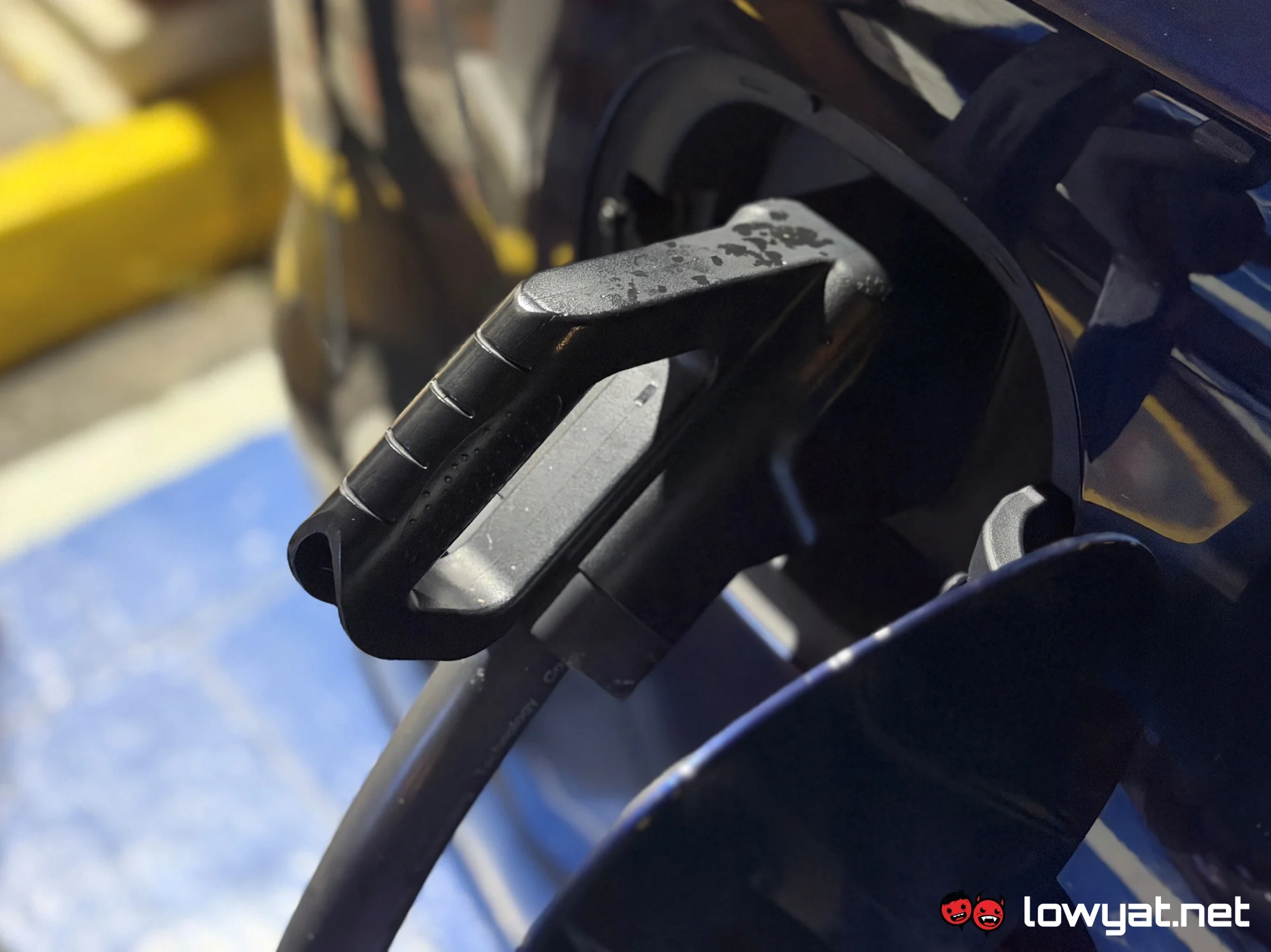
Malaysia has taken a decisive step toward standardizing electric vehicle infrastructure with the release of its first national framework for charging system installations. The Works Ministry launched Malaysia's first EV charging system guidelines. Learn how these standards shape EV infrastructure and drive safe EV adoption. This regulatory milestone establishes clear technical and safety protocols for AC and DC charger deployments across residential, commercial, and public environments, replacing the fragmented municipal practices that previously slowed nationwide electrification.
What the New Guidelines Cover
The newly introduced framework serves as a comprehensive reference for developers, contractors, electrical engineers, and property owners seeking to install EV charging equipment. It addresses the full lifecycle of deployment, from initial feasibility studies and design documentation to commissioning, inspection, and periodic maintenance. By mandating uniform requirements, the policy eliminates ambiguity that previously delayed project approvals, created inconsistent user experiences, and forced operators to navigate conflicting state-level directives. For the global market, this represents a scalable model for emerging economies aiming to build interoperable and future-proof charging networks without retrofitting fragmented legacy systems.
Scope and Applicability
The guidelines cover both alternating current (AC) and direct current (DC) charging stations, ensuring that all installation types meet minimum safety benchmarks regardless of power output. Stakeholders must coordinate with local authorities, fire departments, planning agencies, and utility providers to secure necessary clearances, mirroring the multi-agency approval workflows seen in regulated markets across North America and Europe. Residential landed properties and high-rise condominiums face distinct provisions reflecting differences in electrical distribution topology and shared common areas. Specific facility types addressed include:
- Multi-unit residential condominiums and apartments
- Commercial office complexes and retail centers
- Industrial facilities and logistics depots
- Public roadside lots and highway rest stops
Technical Standards and Compliance
Installations must adhere to Malaysian standards aligned with IEC 61851 and IEC 62196, which govern conductive charging systems and connector interfaces. Compliance also extends to grounding arrangements, cable management, surge protection, and load balancing to prevent grid instability during concurrent charging sessions. For networked smart chargers, the framework encourages interoperability through open communication protocols such as OCPP, enabling remote monitoring and demand-response integration. For international investors and equipment manufacturers, alignment with these globally accepted benchmarks reduces certification friction and opens procurement opportunities across ASEAN markets.
Safety and Installation Protocols
Safety sits at the core of the new mandate. The framework prescribes detailed risk assessments before any groundwork begins, requiring licensed electrical contractors to evaluate site-specific capacity, soil conditions, and environmental exposure. This proactive approach minimizes hazards such as thermal runaway, electrical arcing, ground faults, and water ingress—failures that can compromise both property integrity and user safety. Installation crews must now follow method statements that document every stage of trenching, cabling, and terminations, creating an audit trail comparable to utility-grade construction practices worldwide.
Electrical and Fire Safety Requirements
Every installation must incorporate residual current protection, overcurrent devices, and emergency shutdown mechanisms accessible to first responders. Cable routes must maintain safe distances from combustible materials, gas lines, and flammable storage while maintaining adequate bending radii to prevent insulation damage. Charging bays require mechanical ventilation or natural airflow design, non-slip surfacing, and high-visibility signage. These provisions mirror National Electrical Code principles used in the United States, making the Malaysian standard intuitive for global engineering firms and safety auditors who operate across multiple jurisdictions.
Location and Accessibility Standards
Charger placement must account for vehicle maneuverability, pedestrian traffic flow, and accessibility for persons with disabilities. The guidelines specify minimum aisle widths, turning radii, signage visibility, and lighting levels measured in lux to ensure safe operation at all hours. Wayfinding elements and tactile indicators support universal design principles, ensuring that stations remain functional and inclusive regardless of user demographics or site constraints. Proper siting also reduces the probability of collision damage and vandalism, extending asset life and protecting return on investment.
Impact on Malaysia's EV Ecosystem
Beyond technical compliance, the guidelines function as a market catalyst. Standardized rules reduce due diligence costs for charge point operators, real estate developers, and fleet managers, enabling faster capital deployment and shorter payback periods. As installation timelines shrink and permit pathways become predictable, consumers gain confidence in the reliability of public charging, directly influencing purchase decisions for battery electric vehicles. This regulatory clarity also supports Malaysia's broader sustainability targets by removing infrastructure bottlenecks that have historically constrained EV uptake.
Accelerating Public and Private Investment
Clear regulatory guardrails de-risk infrastructure projects, encouraging utilities and private operators to expand coverage along highways, in urban centers, and at transit-oriented developments. Property developers now face standardized permitting pathways, reducing the soft costs typically associated with navigating inconsistent municipal rules. Financial institutions can underwrite charging assets with greater certainty, linking green financing and ESG-linked loans to verifiable code compliance. This mirrors successful subsidy-free EV rollouts in Europe and North America, where policy certainty consistently drives private-sector participation ahead of consumer demand curves.
Aligning with Global Best Practices
The framework positions Malaysia alongside jurisdictions that have prioritized code harmonization early in their electrification journeys. By referencing international electrotechnical standards and emphasizing safety-first design, the country signals readiness for cross-border partnerships, joint ventures, and technology transfers. Multinational fleet operators, ride-hailing platforms, and automakers evaluating Southeast Asian expansion can now treat Malaysian infrastructure as compliant with broader global norms. As regional trade blocs push for unified technical regulations, early alignment with IEC and ISO standards will likely accelerate mutual recognition agreements and reduce non-tariff barriers.
Pro Tip: Property managers and facility engineers should conduct preliminary load audits and reserve conduit pathways during new construction or major renovation phases. Identifying available electrical capacity and routing infrastructure early prevents costly distribution board upgrades and ensures that future charger deployment aligns with both local guidelines and utility capacity planning.
Conclusion and Next Steps
The introduction of Malaysia's first EV charging installation standards marks a structural shift from ad hoc deployments to a regulated, safety-centric infrastructure model. Stakeholders across the value chain—from licensed electricians and contractors to urban planners and automakers—now operate under a unified rulebook that prioritizes user safety, grid integrity, and investment predictability. As similar frameworks emerge across developing markets, early regulatory clarity will likely define which nations lead the next wave of electric mobility adoption. Share your thoughts on these new standards in the comments below, and let us know how standardized EV guidelines could influence your local charging projects or fleet electrification plans.
Frequently Asked Questions
Do the guidelines apply to existing EV chargers?
The framework primarily targets new installations and major retrofits. Existing chargers may need upgrading if they fail to meet current safety or technical benchmarks during periodic inspections, property transfers, or building code enforcement actions. Owners should schedule certified audits to verify grounding integrity, residual current device functionality, and cable condition.
What technical standards do the guidelines reference?
The guidelines incorporate Malaysian standards aligned with IEC 61851 for charging system architecture and IEC 62196 for connector and inlet compatibility. They also address building electrical provisions consistent with IEC 60364, ensuring that upstream distribution systems support sustained EV loads without compromising general supply safety.
Are these rules compatible with international EV charging protocols?
Yes. By adopting globally recognized electrotechnical standards and open communication frameworks, the guidelines ensure interoperability with major EV models and charging hardware used in North America, Europe, and Asia-Pacific markets. This compatibility simplifies fleet standardization for multinational operators.
Who is responsible for enforcing compliance?
Enforcement involves multiple agencies, including the Works Ministry, local planning authorities, fire safety departments, and the national energy regulator. This layered oversight structure creates redundant checks that mirror best-practice regulatory models in advanced EV markets.
How do these standards affect home EV charging installations?
Residential installations must comply with grounding, circuit protection, cable routing, and signage rules outlined in the guidelines. Homeowners in landed homes and condominiums should hire certified installers to verify that residential systems meet mandated safety thresholds and obtain necessary completion certificates from local authorities.