JAKIM Boosts MyeHALAL 2.0 with AI for Halal Certifications
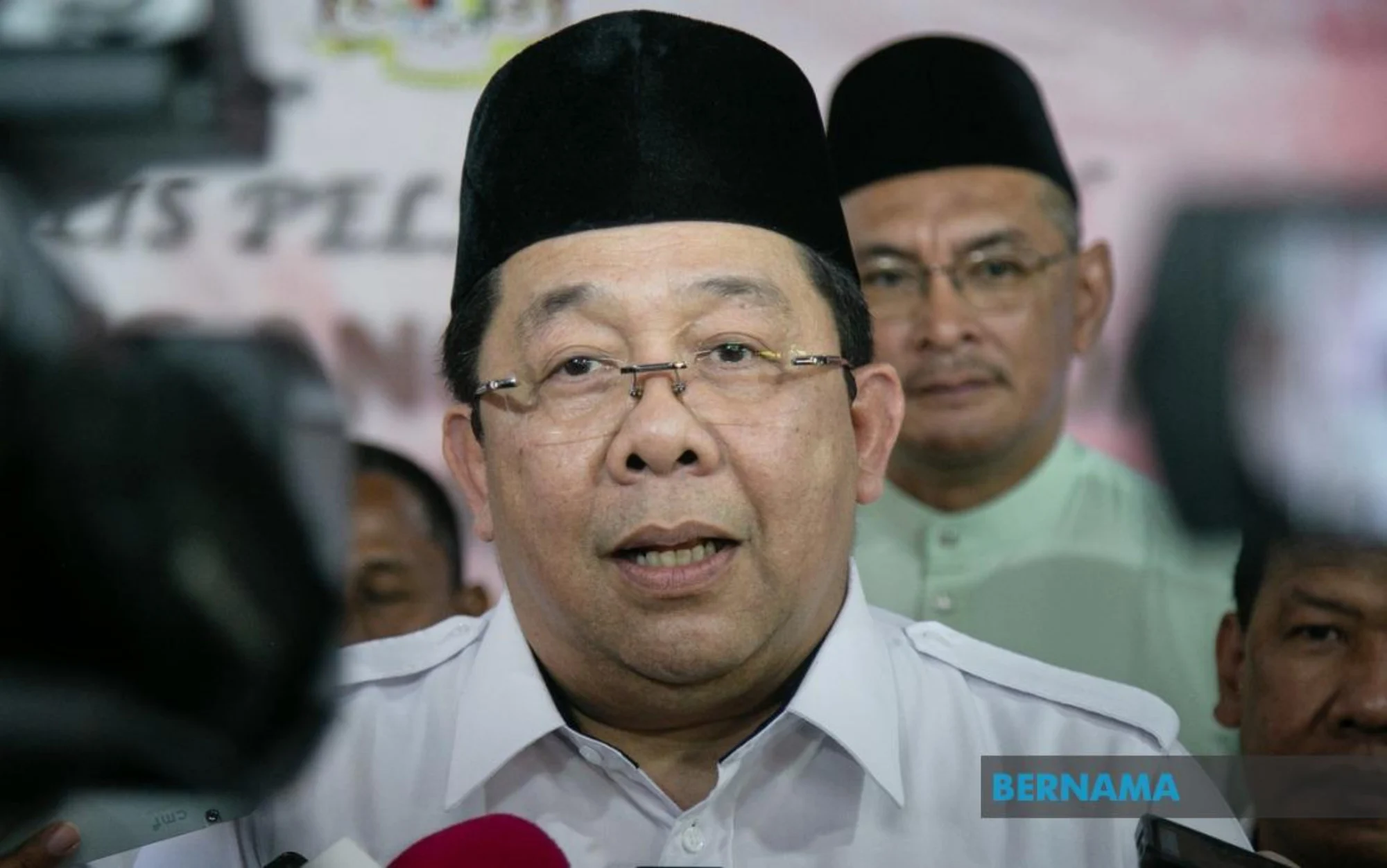
The halal certification landscape is undergoing a transformative shift with the integration of artificial intelligence. JAKIM, Malaysia's premier Islamic authority, has unveiled MyeHALAL 2.0, a groundbreaking system that leverages AI to expedite and enhance the certification process. JAKIM uses AI in MyeHALAL 2.0 for faster halal certifications. This news explores how artificial intelligence enhances halal compliance. This initiative not only simplifies procedures for businesses but also reinforces global trust in halal standards.
The Evolution of Halal Certification
Traditional halal certification processes have long been plagued by inefficiencies, including lengthy document reviews, manual verifications, and inconsistencies across jurisdictions. These challenges often result in delays that cost businesses time and resources. MyeHALAL 2.0 represents a decisive departure from these outdated methods, introducing a fully digital, AI-driven ecosystem that prioritizes speed without compromising accuracy.
Challenges in Traditional Halal Certification
Conventional certification relies heavily on paper-based submissions and human evaluation. This not only slows down approval times but also increases the risk of errors and fraud. For global companies seeking multiple certifications, navigating different national standards becomes a logistical hurdle. The need for a unified, technology-backed solution has never been more pressing.
MyeHALAL 2.0: A Digital Leap Forward
MyeHALAL 2.0 is not simply an incremental update; it is a comprehensive platform redesign. By incorporating machine learning algorithms and natural language processing, the system can analyze applications in real time, flag inconsistencies, and verify documentation against a central database. This reduces human intervention and dramatically cuts certification turnaround times.
How JAKIM Integrates AI into MyeHALAL 2.0
The core of MyeHALAL 2.0 lies in its artificial intelligence engine. JAKIM has strategically deployed AI to address specific pain points in the certification workflow, ensuring that every application is processed with consistency and thoroughness.
Automated Document Verification
One of the most time-consuming aspects of halal certification is the review of supporting documents. MyeHALAL 2.0 uses AI-powered optical character recognition (OCR) to extract and verify data from submitted files. The system cross-references these details with regulatory requirements, instantly identifying missing or erroneous information. This eliminates the need for back-and-forth communication and expedites the approval process.
Intelligent Compliance Checks
AI enables the platform to perform sophisticated compliance audits. By training models on historical certification data and Islamic jurisprudence, MyeHALAL 2.0 can assess whether a product meets halal standards based on its ingredients, sourcing, and production methods. The system learns from new cases, continuously improving its accuracy and coverage.
Enhanced Transparency and Trust
Every decision made by the AI is logged and auditable, creating a transparent trail that strengthens accountability. Applicants can track their certification status in real time and receive detailed explanations for any rejections or requests. This transparency builds confidence among businesses and consumers alike, knowing that certifications are grounded in objective, data-driven analysis.
Pro Tip: For companies preparing to apply for halal certification via MyeHALAL 2.0, ensure that all digital documents are high-quality scans and clearly legible. The AI system relies on accurate text extraction, so well-organized submissions will process faster. Additionally, familiarize yourself with the specific halal standards relevant to your product category to preemptively address potential compliance issues.
Global Implications of AI-Driven Halal Certification
The introduction of AI into halal certification has far-reaching consequences beyond Malaysia. As the halal market continues to expand globally, with major consumer bases in Southeast Asia, the Middle East, and Africa, the demand for efficient and trustworthy certification grows. MyeHALAL 2.0 sets a precedent that could inspire similar digital transformations in other Muslim-majority countries.
Streamlining International Trade
For exporters, obtaining halal certification is often a prerequisite for entering lucrative markets. A faster, more reliable certification process reduces barriers to trade and helps businesses get their products to market sooner. By harmonizing digital standards, MyeHALAL 2.0 could facilitate mutual recognition agreements between different certification bodies, further simplifying cross-border trade.
Building Consumer Confidence Worldwide
Consumers today are increasingly discerning about the authenticity of halal labels. AI-driven certification provides an extra layer of assurance that products have been rigorously vetted. The transparency offered by MyeHALAL 2.0 allows consumers to have greater faith in the certification they see on packaging, reinforcing brand loyalty and trust in the halal ecosystem.
Actionable Steps for Stakeholders
The launch of MyeHALAL 2.0 is a clear signal that the halal industry must embrace digital innovation. Businesses, certification bodies, and technology providers should collaborate to further refine AI applications in this domain. For businesses seeking certification, the time to adopt digital preparation is now. Investing in compliant supply chains and understanding the new technological requirements will be key to staying competitive.
We invite you to share your thoughts on how AI is reshaping the halal certification landscape. Have you had experience with digital certification platforms? What impact do you foresee for the industry? Join the conversation in the comments below.
Frequently Asked Questions
Will AI completely replace human reviewers in halal certification?
No. While AI automates many verification and compliance tasks, human oversight remains essential for complex cases and final approvals. The technology acts as a decision support tool, increasing efficiency and consistency while allowing experts to focus on higher-level assessments.
Is MyeHALAL 2.0 compatible with halal standards in other countries?
MyeHALAL 2.0 is designed primarily for compliance with Malaysian halal standards. However, its flexible architecture can potentially be adapted to incorporate different national requirements. The platform’s AI can learn multiple regulatory frameworks, making it a potential template for global harmonization efforts.
How secure is the data submitted through MyeHALAL 2.0?
JAKIM has stated that the platform employs advanced encryption and data protection measures to safeguard sensitive business information. Compliance with international data privacy standards is a priority, ensuring that all submissions are handled securely.
What types of businesses can benefit from MyeHALAL 2.0?
Essentially, any business seeking halal certification for food, beverages, cosmetics, pharmaceuticals, or logistics can use the platform. The AI enhancements are particularly beneficial for small and medium enterprises (SMEs) that may lack dedicated compliance teams, as the system simplifies and accelerates the application process.
Can MyeHALAL 2.0 reduce the cost of halal certification?
Yes, by reducing manual labor and processing times, the platform lowers operational costs for both certifying bodies and applicants. This efficiency can translate into more affordable certification fees, making halal compliance more accessible to a broader range of companies.