Intel Razor Lake-AX Rumoured for On-Package Memory
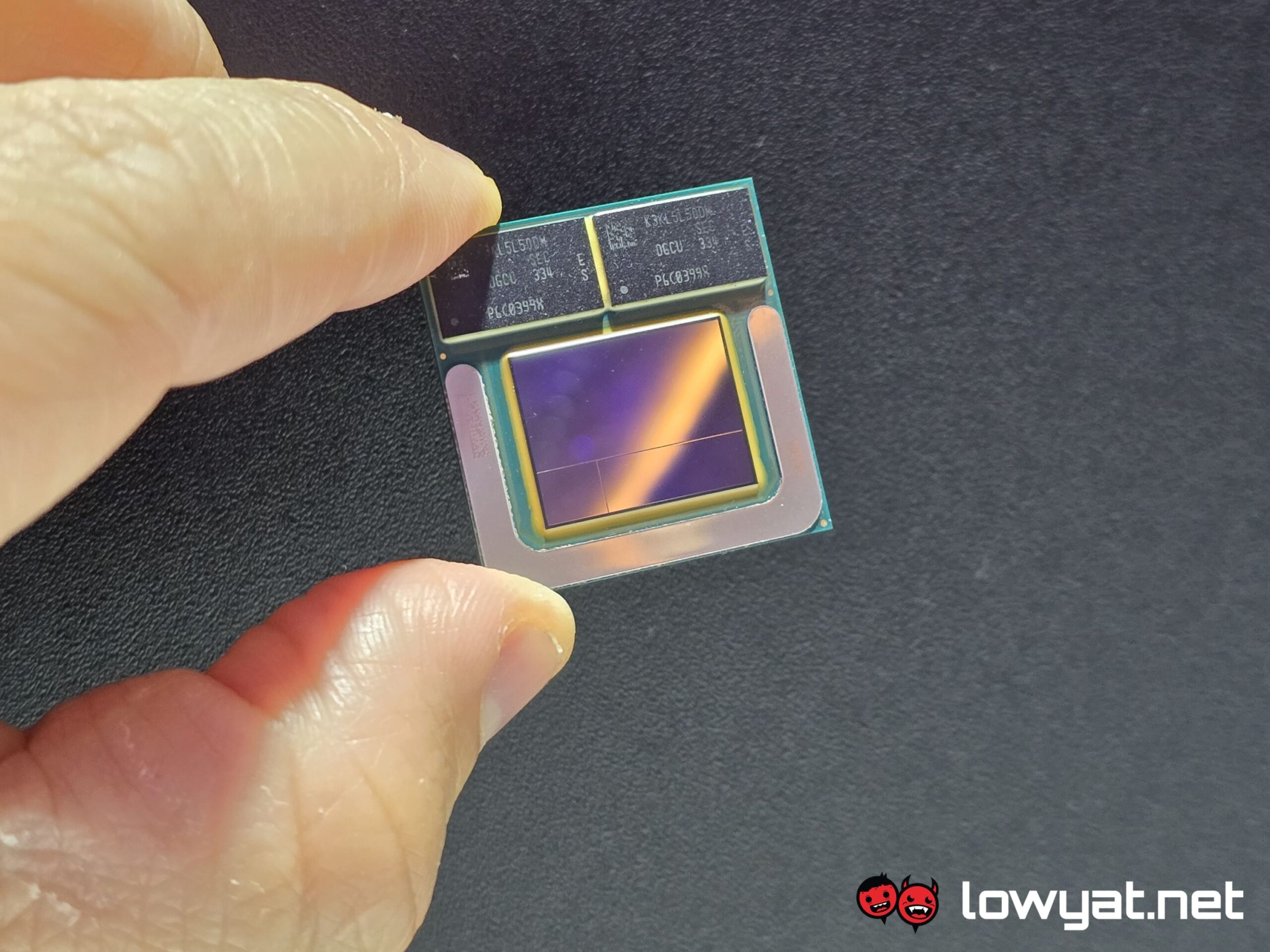
Intel is preparing to reshape the consumer and mobile computing landscape with its next-generation architecture. Will Intel's Razor Lake-AX bring back on-package memory? Latest Rumours & Leaks point to yes. Discover the implications for Intel's next-gen architecture. Following the success of unified memory in Apple Silicon and the increasing demands of AI workloads, Intel's rumored shift toward tightly integrated memory represents a fundamental change in how x86 processors will be designed and deployed. This move could redefine performance standards for ultraportable laptops and AI PCs globally.
The Razor Lake-AX Architecture: Why On-Package Memory is Back on the Table
According to reports from the lowyat.net forum and other industry leakers, the Razor Lake-AX platform is specifically engineered to place the system memory directly onto the processor package. This is not a simple refresh of current designs. Sources indicate that this "AX" suffix denotes a dedicated architecture variant optimized for maximum bandwidth and power efficiency, moving away from traditional socketed or even board-down soldered memory. The return to this concept, last seen on a limited scale with Lakefield and early hybrid designs, is driven by entirely new market pressures. The rise of the AI PC requires a unified memory pool that minimizes latency and power draw, a goal that standard DDR routing cannot achieve effectively at scale. By integrating memory, Intel can drastically reduce the physical distance data must travel, leading to significant performance uplifts in memory-sensitive tasks.
The platform is rumored to utilize an advanced packaging technology, similar to Foveros Omni or EMIB, to stack the LPDDR memory chiplets directly next to the compute tile. This reduces the physical footprint of the motherboard, giving OEMs more room for larger batteries or enhanced cooling solutions. Historically, Intel attempted on-package memory with the Core Y-series and Lakefield, but limitations in memory capacity (maxing out around 16 GB) and bandwidth restricted their appeal. With LPDDR6 and newer packaging techniques, Razor Lake-AX is rumored to support capacities up to 64 GB or even 128 GB, making it viable for high-performance productivity tasks, not just basic web browsing.
Performance, Efficiency, and the AI Advantage
Breaking the Memory Wall
Modern CPUs are often bottlenecked by memory performance, a phenomenon known as the "Memory Wall." By incorporating memory directly on the package, the Razor Lake-AX can utilize ultra-wide buses (think 256-bit or even wider) that would be impossible to route on a standard motherboard. This design philosophy directly mirrors the success seen in Apple's M-series chips, where unified memory allows the CPU, GPU, and Neural Engine to access data without copying it across a traditional chipset interconnect. For professional users working with large datasets, video editing, or complex AI model training, this translates directly to faster render times and smoother multitasking.
A Strategic Response to the AI PC Era
The implications for on-device AI are significant. Large Language Models (LLMs) and diffusion models rely heavily on memory bandwidth. An on-package configuration for Razor Lake-AX ensures that the integrated NPU (Neural Processing Unit) has unhindered access to memory, drastically reducing the "time to first token" and enabling more complex models to run locally. This gives OEMs a powerful story to tell regarding privacy (data stays on device) and performance (no cloud latency). Looking at the global market, this is particularly advantageous for mobile workstations and thin-and-light productivity laptops in North America and Europe where remote work is standard.
Evaluating the Ecosystem Trade-offs
The End of User-Upgradeable Memory
The most immediate consequence for consumers is the end of upgradeability. Just as with modern Apple Silicon, a Razor Lake-AX system will ship with a fixed amount of memory. Users must carefully choose their configuration at the point of purchase. This places a premium on future-proofing. While the performance benefits are substantial, the cost of entry for a high-memory SKU (e.g., 32 GB or 64 GB) is expected to be significant. We recommend users target higher memory configurations than they currently require, as the upgrade path will simply not exist.
Cost and Global Manufacturing Implications
Integrating memory onto the package increases the complexity of the silicon. It shrinks the effective "die size" of the usable PCB, potentially allowing for thinner devices (ideal for Asian markets where ultraportables dominate). However, it also means a defect in the memory portion of the package could compromise an expensive processor, potentially increasing warranty costs for OEMs. It is expected that Razor Lake-AX systems will carry a price premium over standard modular laptops in the first generation, likely adding between $200 and $400 to the total system cost depending on the memory configuration.
Pro Tip: The Razor Lake-AX architecture will create a stark split in the laptop market. If you value raw performance, low power draw, and AI capabilities, this is the future. However, if you are a user who frequently upgrades their RAM or prefers to buy budget configs and expand later, the standard Razor Lake (non-AX) or AMD Ryzen alternatives will remain the more practical choice for the foreseeable future. Always prioritize memory and storage at checkout on an AX platform, as these components will be permanently sealed.
The Verdict: A Necessary Evolution for x86
The rumors surrounding the Intel Razor Lake-AX represent a pivotal moment for the PC industry. By bringing back on-package memory, Intel is not just chasing Apple; it is fundamentally acknowledging that the era of the AI PC demands a tighter coupling between compute and memory. While the transition will be painful for users who cherish modularity, the performance and efficiency gains are too significant to ignore. This move will likely solidify Intel's position in the premium mobile segment and accelerate the development of a more capable and responsive class of AI-powered productivity tools. The architecture is a clear signal that the next generation of computing is all about bandwidth, latency, and neural processing.
What are your thoughts on Intel's move to on-package memory? Is the performance trade-off worth the loss of upgradeability? Share your perspective in the comments below.
Frequently Asked Questions about Intel Razor Lake-AX
What exactly is on-package memory in the context of Razor Lake-AX?
On-package memory means the RAM chips (likely LPDDR6) are physically placed on the same substrate as the CPU die, rather than on the motherboard. This shortens the electrical pathways, drastically reducing latency and power consumption, while enabling wider memory buses that dramatically increase bandwidth.
When is the Intel Razor Lake-AX expected to launch?
Based on the current rumor cycle, the Razor Lake architecture is targeting a launch window in late 2025 or early 2026. The "AX" variant specifically might trail the initial standard launch slightly, depending on OEM readiness and validation of the new packaging technology.
Will the Razor Lake-AX support user-upgradeable RAM?
No. The entire point of the "AX" design is to put the memory on the package. It will be soldered and non-upgradeable, similar to an Apple M-series MacBook or a high-end smartphone. Users must select their memory configuration at the time of purchase with no possibility of later expansion.
Is on-package memory better for gaming?
Potentially, yes. The increased bandwidth and reduced latency are a major benefit for CPU-bound gaming scenarios and asset streaming. The integrated GPU of the Razor Lake-AX would benefit immensely, which is great for ultraportable gaming. However, for high-end gaming with a discrete GPU, the standard Razor Lake parts might be a better value for desktop gamers who prioritize socketed upgradeability.
How does Razor Lake-AX compare to standard DDR5 SO-DIMM laptops?
The AX architecture will offer superior bandwidth per watt, better battery life, and thinner chassis designs compared to standard DDR5 SO-DIMM laptops. However, standard laptops will likely remain cheaper to produce, easier to repair, and offer more flexible memory configurations for users who need to upgrade later without replacing the entire system.