Insta360 Luna Ultra Leak Hints at 6x Optical Zoom
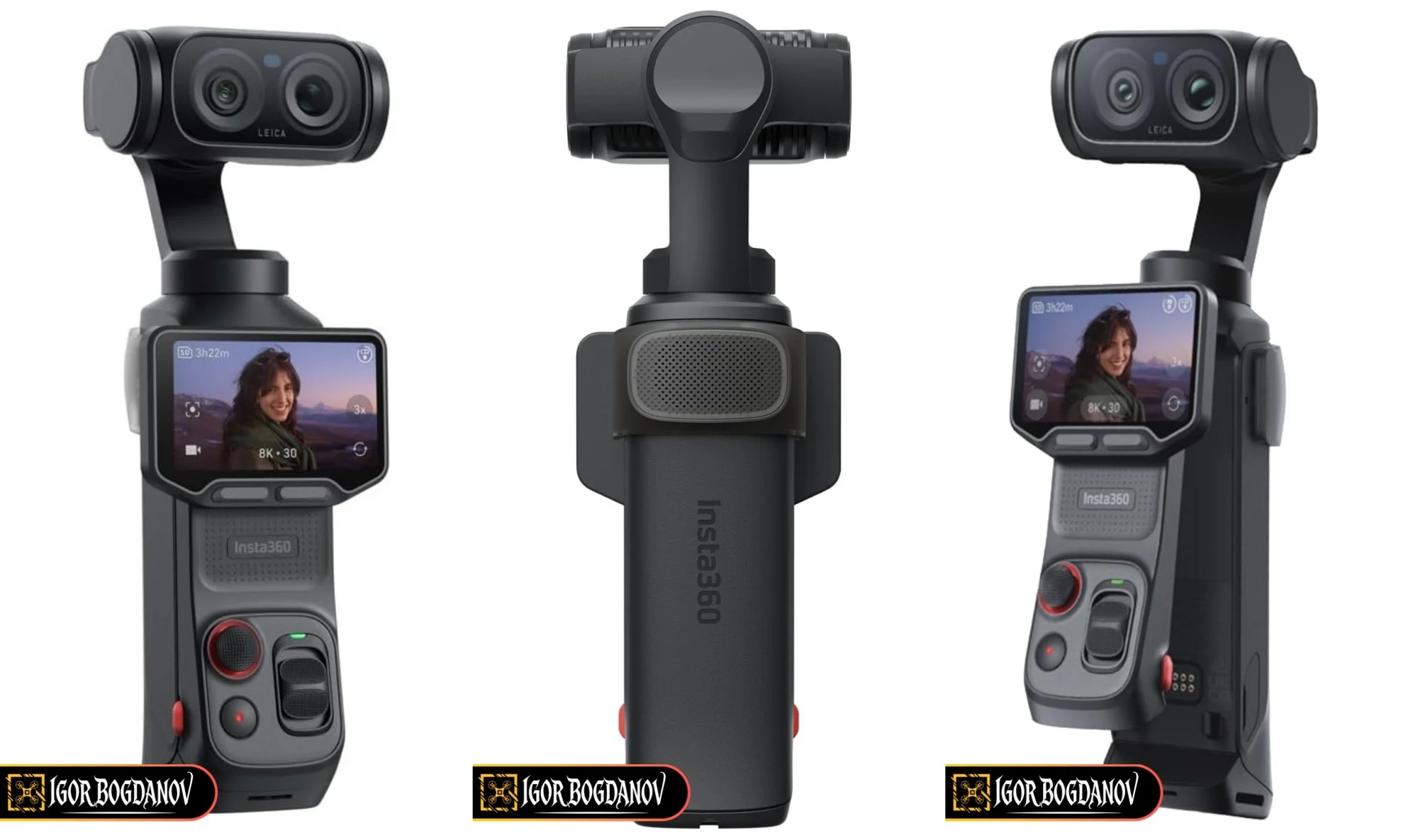
Insta360 is setting the stage for a significant leap in action camera versatility with its emerging Luna Ultra model. This highly anticipated device promises to blend the immersive capabilities of 360-degree capture with the reach and detail of a high-magnification optical zoom. According to the latest intelligence, the Insta360 Luna Ultra specs leak reveals rumoured 6x optical zoom. Stay informed on digital camera rumours and photography news. This combination represents a convergence of two previously separate tracks in imaging technology, offering a highly versatile tool for professionals and enthusiasts who want to master every angle.
The Revolutionary Leap: 360 Meets True Telephoto
Insta360 has established the consumer 360 camera category, but the Luna Ultra points to a fundamental shift in creative potential. Traditional 360 cameras like the X series rely entirely on digital zoom or high-resolution cropping to isolate subjects. This inevitably compresses detail and introduces noise, especially in challenging lighting conditions. The rumored 6x optical zoom changes this dynamic completely. By leveraging a sophisticated lens mechanism, the Luna Ultra can physically magnify light before it hits the sensor, preserving image quality and sharpness across the entire zoom range. This allows creators to shoot a scene and later choose between an immersive wide context and a tightly framed subject, all from a single spherical capture. The global content creation community stands to benefit immensely from this capability, from real estate walkthroughs that require detail shots to travel vlogs that need fast adaptation to changing scenes.
Unpacking the Technical Innovation
Optical Zoom Mechanics in a Compact Body
Achieving a 6x optical zoom in a body small enough to fit in a pocket is a significant engineering challenge. The most likely solution is a folded optics or periscope design. By turning the lens elements 90 degrees relative to the camera body, manufacturers can simulate a much longer focal length within a limited depth. This rumored design for the Insta360 Luna Ultra would allow it to maintain the dual-lens 360 capture required for its primary function while hiding a powerful secondary imaging path for the telephoto reach. High-precision stepper motors would instantly and silently shift the focal length, allowing for smooth transitions during recording.
Video Capture and Data Pipeline
For a 360 camera, the resolution of the sensor is paramount. To reframe a shot with any quality, the camera must capture an enormous amount of data from both lenses. If the Luna Ultra can combine this essential spherical data with a discrete optical zoom image, the data processing requirements skyrocket. The camera will need a top-tier processor to stitch, stabilize, and stream high-bitrate video simultaneously. Expect support for common global resolutions such as 5.7K and 8K at various frame rates, paired with efficient H.265+ encoding to manage file sizes. The stabilization, a key selling point for the Insta360 brand, must be robust enough to handle the jitter magnification inherent to long telephoto shots, likely through an advanced version of their FlowState algorithm.
Target Audience and Use Cases
- Travel and Adventure Vloggers: Capture the grand vista of a mountain range and then zoom seamlessly to a climbers expression in a single shot. This eliminates the need for a secondary camera and complex editing to cut between vastly different focal lengths.
- Event and Wedding Videographers: The ability to place one camera on a tripod and capture the entire ceremony, then later digitally pan across the audience and zoom into specific expressions or details, provides an unparalleled safety net against missing a crucial moment.
- Documentary and News Filmmakers: The format allows for discreet capture of scenes. The spherical nature means the operator does not need to be perfectly framed at the moment of recording, while the optical zoom ensures the final extracted clip retains broadcast-quality sharpness.
Pro Tip: When utilizing a 360 camera with optical zoom for post-production reframing, prioritize lighting. A well-lit scene allows for a higher base ISO and a higher shutter speed, reducing motion blur during the digital panning process. The combination of a steady shot, good light, and optical zoom will produce the cleanest 4K or 1080p output from a 360 workflow.
Anticipated Impact on the Market
The Insta360 Luna Ultra is not simply an incremental upgrade; it is a divergence from the established path. It challenges the assumption that 360 cameras are purely for creative experimentation or safety net recording. By integrating a quality optical zoom, Insta360 positions this device as a primary camera system rather than a secondary one. This places it in direct competition not only with other 360 cameras but also with traditional zoom-equipped camcorders and a segment of mirrorless setup users. The pricing is likely to reflect this premium position, with industry speculation placing the global launch price around the $699 to $799 USD mark. The competition will be forced to respond, potentially accelerating the timeline for similar features in competing products.
Frequently Asked Questions
How does optical zoom differ from digital zoom in a 360 camera ecosystem?
In a standard 360 camera, digital zoom works by cropping into the stitched spherical image or extracting a portion of a very high-resolution raw frame. This downscales the image and increases pixel noise. Optical zoom, as rumored in the Insta360 Luna Ultra, physically moves lens elements to magnify the scene before it reaches the sensor. The subject is captured with maximum native resolution, making the zoomed-in footage significantly sharper and cleaner, suitable for professional broadcast standards.
Will the optical zoom affect the cameras 360-degree stitching quality?
It is highly likely that the optical zoom pathway is engineered as a discrete system or as a secondary mode within the dual-lens setup. When the optical zoom is active, the camera may capture the zoomed image as the primary output while the 360 sensors provide context or are downscaled. Insta360s advanced stitching algorithms are expected to seamlessly integrate this into the standard file format, allowing users to reframe their shots as usual with the added clarity of the telephoto image.
Is the Insta360 Luna Ultra suitable for live streaming or video conferencing?
While its primary design is geared toward recording and post-production reframing, its capabilities may extend to live applications if the hardware includes support for USB-C or HDMI output. The optical zoom would be highly beneficial for live event streaming, allowing an operator to provide tight close-ups without physically moving the camera, all while maintaining a wide backup shot. Compatibility with major streaming platforms and conferencing software will be a key feature for business and educational users globally.
What kind of storage and battery life can users expect?
Recording high-resolution 360 video with a simultaneous high-bitrate zoom stream demands significant resources. Users should prepare for large file sizes. The device will likely support high-speed microSD cards (U3/V30 class or higher) and potentially external SSDs via USB-C. Battery life is a concern for any compact camera pushing intense processing, so users might expect around 60 to 80 minutes of continuous high-resolution recording. Carrying spare batteries or a portable power bank will be essential for a days shooting in the field or on location.
When is the expected release date for the Insta360 Luna Ultra?
Based on the timing of the current leak cycle and Insta360s historical product launch patterns, an official announcement is most likely expected in the late third quarter or early fourth quarter of 2026. Pre-orders may open shortly after the press reveal. As with all rumors, the final launch date is subject to changes in manufacturing and development schedules.
Final Verdict: A New Standard for Versatility
The rumored Insta360 Luna Ultra is shaping up to be the most versatile action camera system on the market. By solving the core limitation of digital zoom in the 360 format, it delivers a genuine all-in-one solution for modern content creators. While the price might be high, the value of capturing a perfect shot from a single compact camera is undeniable. The photography and videography world should pay close attention to this development. Have you been waiting for a 360 camera with optical zoom? We want to hear your thoughts on this exciting leak. Share your expectations for the Luna Ultra in the comments below.