Beyond Software Greatest Hardware Surprises in WWDC History
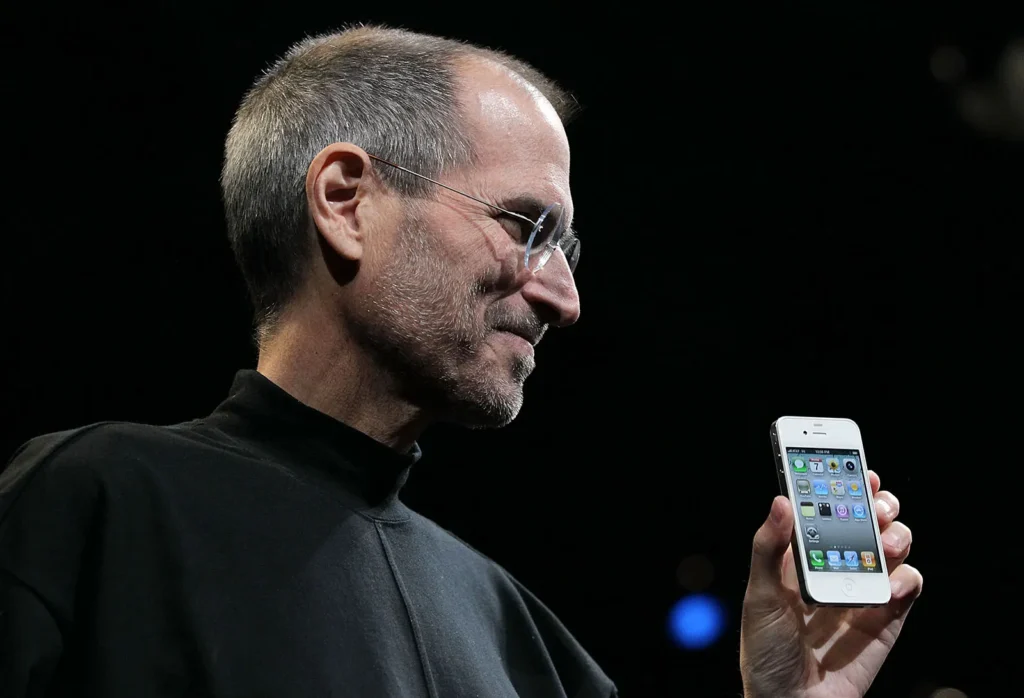
For decades, the Worldwide Developers Conference has been the premier stage for unveiling software, but the hardware reveals have historically shaped the entire technology landscape. This guide allows you to Explore the top hardware surprises from Apple WWDC keynotes including computing and mobile milestones that defined the future of technology. We analyze the context, impact, and legacy of each major reveal, from processor pivots to entirely new product categories.
The Processor Pivots That Defined Eras
The most consequential decisions in Apple's history have often been announced under the guise of a "One more thing" moment at WWDC. The shift from PowerPC to Intel in 2005 broke the compatibility barrier, allowing Macs to run Windows natively and immediately doubling the company's addressable market. This move forced the entire computing industry to adapt and set the stage for the modern cross-platform ecosystem that developers rely on today.
The Apple Silicon Shockwave (2020)
Fast forward to 2020. The transition to Apple Silicon, announced at WWDC, represented the most seismic hardware shift since the original Mac. The prototype M1 Mac Mini stunned developers with its performance-per-watt, demonstrating a unified architecture across iPhone, iPad, and Mac. This milestone redefined what users could expect from mobile computing and created a new standard for battery life and thermal efficiency that competitors are still working to match.
The Mac Pro: A Study in Design Philosophy
The 2013 Mac Pro (the "trash can") and the 2019 Mac Pro (the "cheese grater") bookend a decade of design philosophy. The former prioritized thermal efficiency in a compact form factor, while the latter capitulated to the community's need for modularity and PCIe expansion. Both were unveiled at WWDC, setting the tone for professional workflows globally and proving that the platform could adapt to varying climates and studio configurations.
Mobile Milestones That Created the App Economy
While Macs are the logical focus of a developer conference, the mobile hardware announced at WWDC has generated massive global industries and redefined personal technology. These weren't just product refreshes; they were strategic pivots that established new categories.
The iPhone 3G and the App Store (2008)
The iPhone 3G was not just a hardware refresh; combined with the App Store, it was the device that made the smartphone truly mainstream. It lowered the entry price, solved the data speed bottlenecks, and brought third-party apps to the masses. This single keynote created the mobile economy, forcing the entire industry to standardize around high-speed data and robust ecosystem management.
Retina Display and the Standardization of Fidelity (2012)
The MacBook Pro with Retina display launched at WWDC 2012, setting a new bar for display technology on laptops. It merged the high-pixel density of the iPhone with the professional demands of the Mac. This move made "retina" a household term and a universal benchmark, pushing the entire PC supply chain toward higher resolution standards across every price bracket.
Spatial Computing and the Smart Home Frontier
Apple has consistently used the wide stage of WWDC to plant flags in new hardware categories, ensuring developer adoption from day one. These moves often seem risky at launch but define the market for years to come.
HomePod (2017) and High-Fidelity Audio
The original HomePod proved that Apple prioritized acoustic engineering over market share. While the pricing was aggressive for the time, its room-sensing technology and beam-forming drivers influenced the entire smart speaker market's approach to audio quality. The hardware forced a conversation about voice control versus audio fidelity that still shapes product decisions today.
Apple Vision Pro (2023) and the Spatial Computing Era
The Apple Vision Pro was the most significant "One more thing" since the original iPhone. It introduced micro-OLED displays, the revolutionary EyeSight system, and a fully independent computing platform strapped to the face. This hardware does not just create a new product category; it defines the specification floor for all future spatial computing devices, demanding a new level of engineering from the entire industry and validating a path toward mixed reality.
Pro Tip: When evaluating a WWDC keynote, pay close attention to the chip architecture being announced. The presence of a new M-series or A-series processor often signals a significant shift in software capabilities for the coming year. Developers who ignored the M1 chip's potential missed a year of optimization. Always invest in the hardware foundation revealed at WWDC to stay ahead of the platform curve.
The narrative of WWDC is often painted as a software story, but the hardware revelations historically serve as the firm foundation upon which the software castle is built. From the 2005 Intel switch to the 2023 Vision Pro, these hardware milestones are the North Stars guiding developers and the broader market. Understanding this hardware trajectory allows anyone in the Apple ecosystem to predict the future of computing and consumer electronics. What was your favorite hardware reveal from a WWDC keynote? Share your memory and insight in the comments below.
Frequently Asked Questions
What makes WWDC hardware announcements different from the September iPhone event?
WWDC hardware tends to be architectural and developer-facing, focusing on chips, pro-level Macs, and entirely new categories like headset computing. The September event is typically a pure consumer hardware refresh cycle focused on the flagship iPhone models and Watch.
What is the single most important hardware ever announced at WWDC?
While subjective, the Apple Silicon transition in 2020 ranks highest for its vertical integration impact across the entire product line, from iPad Pro to Mac Pro, setting a universal standard for performance and battery life that altered the trajectory of the entire PC industry.
Are WWDC hardware products usually available immediately after the keynote?
Availability varies significantly. Some products (like the 2012 Retina MacBook Pro) ship immediately, while others (like the Mac Pro or Vision Pro) launch later in the year to give developers lead time. The accompanying software is generally released to the public in the fall.
Will Apple continue to announce hardware at WWDC in the future?
Absolutely. As Apple moves deeper into vertical integration with its own silicon and ventures into spatial computing and health technology, WWDC remains the perfect venue to introduce hardware that requires early developer buy-in to cultivate a robust third-party ecosystem.
How can a consumer strategically prepare for a WWDC keynote?
If you are considering a new Mac, iPad, or entering a new Apple platform, waiting until after the WWDC keynote is a smart strategy to avoid buyer's remorse. Even if the external hardware is unchanged, the required storage or RAM specifications often increase to support the demands of the next operating system version revealed at the conference.