Gobind Urges Data Centres on Noise and Sustainability
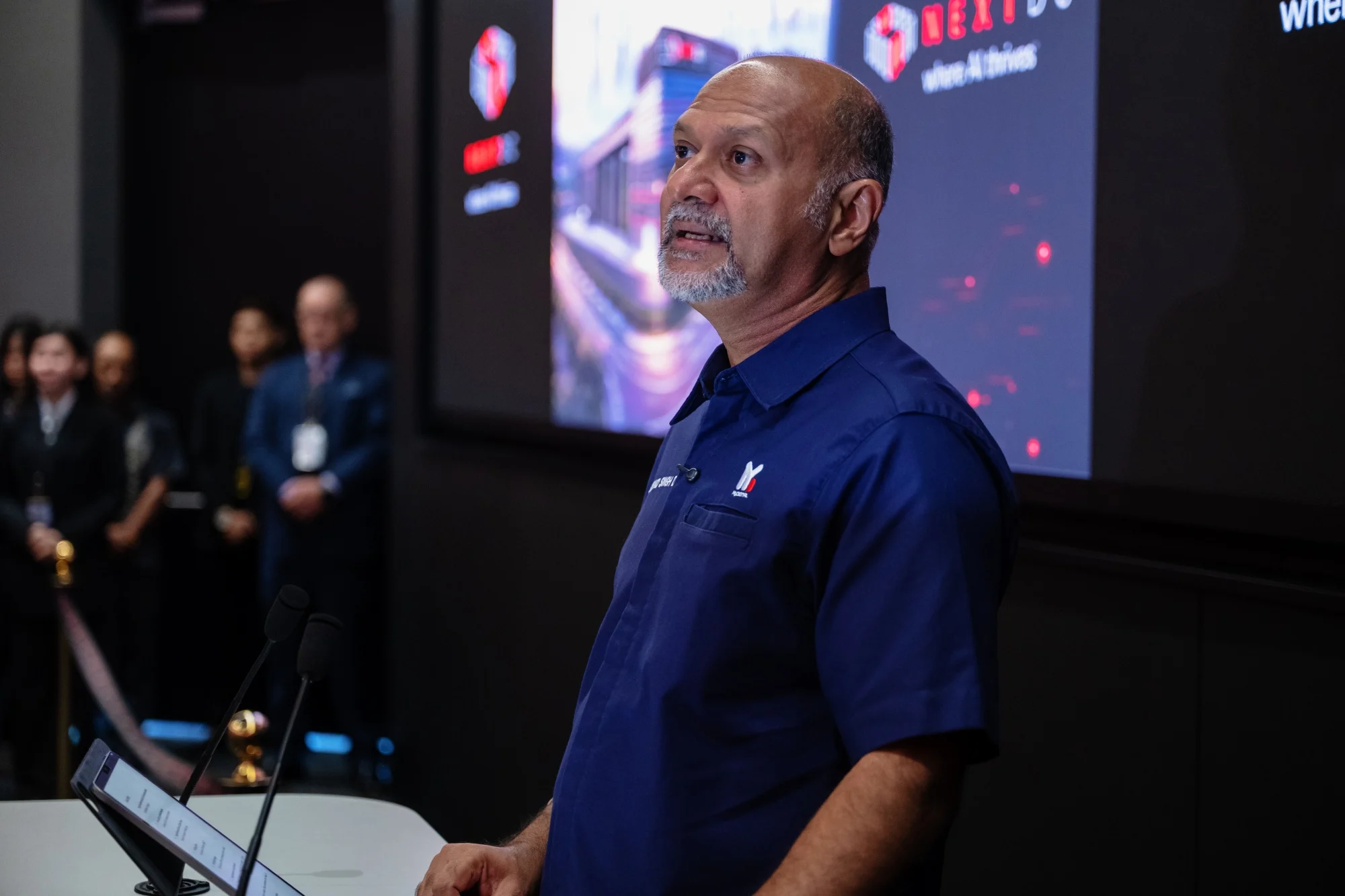
The race to build the backbone of the digital economy is creating friction in residential communities, giving rise to a critical industry-wide interrogation. Are data centres doing enough on noise and sustainability? This news article covers Gobind Singh's push for the industry, including NEXTDC, to address concerns. This specific call to action from a federal minister signals a new era of accountability where operational externalities can no longer be ignored.
The Anatomy of a Data Centre Dispute
Community complaints against data centers typically follow a predictable pattern: increased truck traffic during construction, followed by a persistent low-frequency hum from mechanical equipment. Gobind Singh's intervention represents a government's proactive attempt to mediate this friction before it escalates into construction moratoriums or operating hour restrictions. The emphasis on NEXTDC underscores that no operator, regardless of size or reputation, is immune to local sentiment.
Cooling Systems and Acoustic Design
The technical challenge is significant. A modern data center requires removing hundreds of kilowatts of heat per server rack. Air cooled systems demand massive air movers, while chiller plants and cooling towers project sound horizontally. Innovations in acoustic fan design, plenum barriers, and sound attenuators are required modern upgrades. The cost of post-construction noise remediation often runs into millions of dollars, making upfront acoustic design a critical financial and social priority.
Beyond the Decibel: The Sustainability Mandate
Noise is the acute symptom; sustainability is the chronic condition. Data centers account for an estimated 1-2% of global electricity demand, a figure expected to rise exponentially with AI workloads. Minister Gobind Singh's push aligns with global trends tying operational approvals to energy and water efficiency.
Water Consumption and Circular Economy
Evaporative cooling offers efficiency gains but consumes millions of gallons of potable water annually. In water-stressed regions, this is a critical sustainability metric. The industry is being forced to adopt closed-loop cooling systems or dry cooling methods, drastically reducing water usage while slightly increasing energy consumption. The balance between water and energy is the next great engineering frontier for data centers.
The Role of Renewable Energy PPAs
Power Purchase Agreements (PPAs) for solar, wind, and geothermal are becoming standard operating procedure. However, the "additionality" of this renewable energy to the grid is often questioned. Critics argue that data centers simply consume existing green energy, leaving fewer renewables for other consumers. True sustainability requires building new renewable capacity directly tied to the data center's load.
The Investment Case for Proactive Sustainability
Wall Street and global investors are increasingly applying a "Green Premium" and "Brown Discount" to real assets. Data centers with high PUE, community conflicts, and regulatory non-compliance risk are facing higher costs of capital. Gobind Singh's public intervention serves as a material risk signal for any fund invested in the region.
Defined Risk Categories for Data Center Investors
- Operational Risk: Community protests and permitting delays.
- Compliance Risk: Operational curfews and noise restrictions.
- Financial Risk: Higher costs of capital and insurance premiums.
- Reputational Risk: Difficulty attracting ESG-conscious tenants and talent.
The cost of doing nothing--facing protests, permit denials, or operational curfews--dwarfs the upfront cost of soundproofing and renewable procurement. The business case for sustainability is no longer just environmental; it is strictly financial.
Pro Tip: For facility managers, the best strategy is to implement a "Net Positive" framework. Instead of aiming to do less harm, engineer operations that contribute positively to the local grid stability, water systems, and community well-being. This transforms the data center from an extraction asset to an infrastructure partner.
Industry Response and the Path Forward
Operators globally are responding with ambitious targets. Carbon-neutral by 2030. Water-positive by 2035. Zero waste to landfill. Yet, the timeline for action is often challenged by local communities who experience the construction and operational noise immediately. The tension between long-term pledges and short-term impact is the core of the regulatory debate sparked by Gobind Singh. The question must be asked at every phase, not just at inauguration.
We want to hear from you. Is your community facing similar challenges with digital infrastructure? What solutions have you seen work? Share your experiences in the comments below.
Frequently Asked Questions
What is a typical decibel level for an operational data center?
While internal server areas can reach 85 dB, external noise boundaries at the property line are often regulated between 55 and 65 dB, comparable to a busy road, requiring careful mitigation.
Why is Gobind Singh specifically targeting NEXTDC in this context?
NEXTDC is a major hyperscale operator with significant expansion plans in the region. By holding a prominent player accountable, the government signals that all operators must comply with the highest standard of community and environmental responsibility.
How do data centers achieve net-zero carbon emissions?
Through a combination of onsite renewables (solar), offsite PPAs, purchase of Renewable Energy Certificates (RECs), and carbon offsets, alongside aggressive energy efficiency measures like advanced cooling technologies.
Can existing data centers be retrofitted for noise reduction?
Yes, though it is costly. Solutions include acoustic louvers, fan silencers, constructing sound walls around chiller yards, and switching to low-noise generator sets.
What is the difference between PUE and WUE in data centers?
PUE (Power Usage Effectiveness) measures energy efficiency. WUE (Water Usage Effectiveness) measures water efficiency. Both are critical, and a trade-off exists between them depending on cooling technology (air vs. evaporative).