Dyson Launches Spot+Scrub AI Robot Vacuum
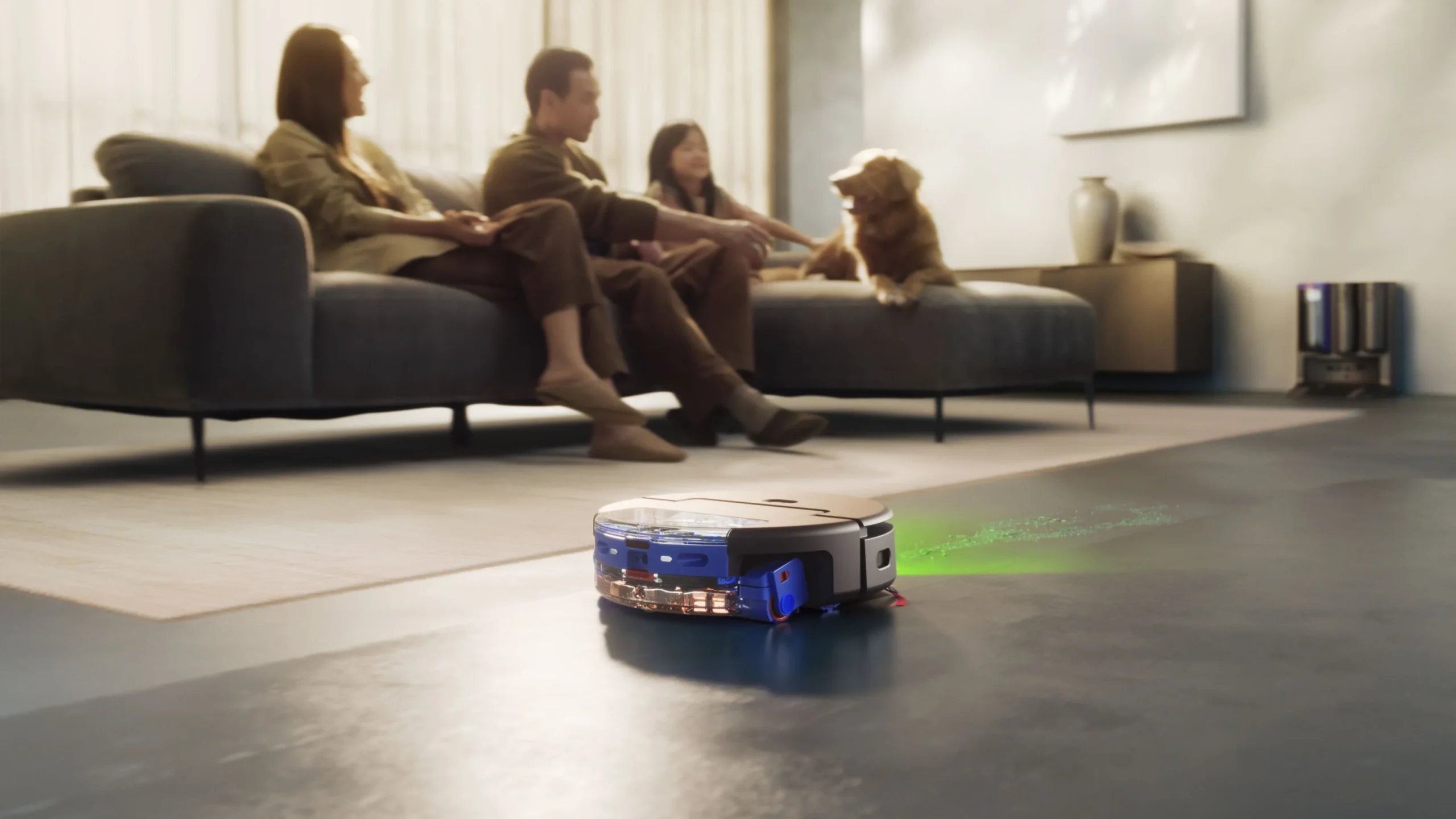
The evolution of the smart home cleaning market has reached a critical inflection point with the introduction of Dyson's latest innovation. Dyson's Spot+Scrub robot vacuum uses AI for precision cleaning and scrubbing. Find out how it compares to other robots. This specific model bridges the gap between thorough dry vacuuming and active floor washing, setting a new standard for automated care in homes and home offices worldwide.
Redefining Automated Floor Care: The Spot+Scrub Difference
Dyson engineers have long resisted the "mop-over" trend, arguing that dragging a wet cloth across a floor often spreads dirt rather than removing it. With the Spot+Scrub AI, Dyson has finally entered the hybrid category but on its own terms. Rather than simply adding a water tank to an existing robot vacuum, the company developed an entirely new scrubbing mechanism designed for true deep cleaning. This strategic move acknowledges that modern households require more than just dry debris removal; they need a solution for sticky kitchen floors, dried mud in entryways, and the general grime that accumulates in high-traffic zones.
AI-Powered Precision Spot Cleaning
Equipped with a dedicated AI processor and a 360-degree vision system, the Spot+Scrub can identify specific messes, from dried coffee spills to sticky juice trails. Instead of cleaning an entire room, the robot intelligently focuses its energy on the soiled area. This precision saves battery life and water, and it dramatically improves the efficiency of the cleaning cycle. The on-board neural network continuously learns from its environment, allowing the robot to distinguish between a shadow, a pet toy, and an actual stain that requires scrubbing.
Active Scrubbing vs. Passive Mopping
The major differentiator of this system is the dedicated scrubbing pad, which oscillates at high frequencies while applying controlled downward pressure. This allows the robot to break up dried residues that standard robot mops typically fail to address. The system precisely meters water to the pad, avoiding the oversaturation that can warp hardwood floors or damage sensitive laminates. This active scrubbing motion represents a fundamental shift from the passive, dragging-wet-cloth approach used by the vast majority of current robot vacuum competitors.
How Dyson Stacks Up Against the Competition
To understand the significance of the Spot+Scrub, it helps to examine it against the current market leaders. Most high-end robot vacuums offer a combination of suction and a dragging mop cloth. Dyson's approach brings a mechanical scrubbing element that directly addresses the physics of stubborn soil removal.
- Versus Standard Vacuum/Mop Combos: Dual-tank systems prevalent in the market keep dirty water separate, but they rely on contact rather than agitation. Dyson's scrubber offers superior deep cleaning for high-traffic areas, actively lifting dirt rather than merely wiping it around.
- Versus Self-Cleaning Stations: While many competitors boast self-cleaning docks that wash the mop pads, the Spot+Scrub focuses on the efficacy of the single cleaning pass. Dyson's logic suggests that a perfectly clean pad starting each job is less critical than the mechanical action applied to the floor during the cleaning run.
- Versus Dyson's Own 360 Vis Nav: The pure vacuuming prowess of the 360 Vis Nav is unmatched in cordless robotics, but it lacked a wet cleaning option. The Spot+Scrub fills this gap, though users must manage a separate water tank and cleaning pad, a trade-off for significantly better wet-cleaning performance.
Expert Insight: Maximizing Your Robot Investment
Pro Tip: To get the best results from your new Spot+Scrub AI, pre-treat ultra-sticky or dried messes with a spot cleaner or a quick manual wipe. While the robot's AI identifies stains, giving the ceramic tile or hardwood floor a helping hand for the most stubborn debris ensures the scrubbing pad can focus on maintaining a streak-free finish. Additionally, ensure the robot is connected to a stable Wi-Fi network so its mapping algorithms can continuously update and optimize your cleaning path, particularly in homes with varied floor plans and lighting conditions.
Global Pricing and Configuration
While regional pricing varies, the Dyson Spot+Scrub AI Robot Vacuum is expected to launch in the premium tier of the market. Analysts project a starting price around $1,000 USD, positioning it against the Roborock S8 MaxV Ultra and the iRobot Roomba Combo j9+. Dyson is emphasizing durability and serviceability, ensuring that replacement parts and filters remain accessible through its international service network. For users integrating into global smart home ecosystems, the robot supports standard Wi-Fi protocols and major voice assistants, making it a viable option for residential and light commercial spaces in varying climates.
The Verdict: A Specialized Powerhouse for Demanding Homes
Dyson has proven that it does not simply follow trends; it re-engineers them. The Spot+Scrub AI Robot Vacuum is not just another me-too product. It is a carefully considered machine designed for users who value cleaning efficacy over autonomous convenience. For pet owners, families with young children, or anyone who finds themselves dealing with sticky kitchen floors and muddy entryways, this robot offers a tangible upgrade in home hygiene.
Does this sound like the solution your home needs? Have you had experiences with Dyson's previous robots or competing scrubbers? Share your thoughts in the comments below to help the community decide if the Spot+Scrub AI is the ultimate upgrade for their smart home ecosystem.
Frequently Asked Questions
Does the Dyson Spot+Scrub work on thick carpets and rugs?
The primary design philosophy of the Spot+Scrub centers on hard floors. While the robot can traverse low-pile carpets and rugs to reach its destination, the scrubbing mechanism must be deactivated for these surfaces. Dyson recommends using the device primarily on tile, hardwood, laminate, and linoleum. The unit's AI navigation will automatically lift the scrub pad when it detects a transition to carpet, preventing wetting of the fibers.
Is the Dust Bin and Clean Water Tank self-cleaning?
Unlike some competitors on the market, the Dyson Spot+Scrub AI does not currently feature a self-cleaning dock that backwashes the dirty water or empties the debris bin. Dyson has opted for a user-interactive experience, focusing on the purity of the cleaning action. The bin and tank are designed to be removed and rinsed easily under a tap, but the vacuum does not auto-empty.
What kind of floor mapping and navigation technology does the Spot+Scrub use?
Dyson utilizes a sophisticated Simultaneous Localization and Mapping (SLAM) system powered by a 360-degree camera and gyroscopic sensors. This allows the unit to build a precise map of your home, identifying obstacles like cables, furniture legs, and pet bowls. The data is processed onboard, ensuring user privacy by not requiring cloud processing for navigation.
Does it support voice assistants like Alexa, Google Assistant, or Apple HomeKit?
Yes, the Dyson Spot+Scrub AI Robot Vacuum integrates seamlessly with major smart home ecosystems. Users can control the device via the Dyson Link app, Amazon Alexa, and Google Assistant. Apple HomeKit support is limited to using Siri Shortcuts for basic commands, though Dyson has improved its official app logic to support more granular spot-cleaning commands.
How does the maintenance schedule compare to a standard robot vacuum?
Maintenance is straightforward but slightly more involved than a vacuum-only robot. The scrubbing pad should be rinsed after every couple of uses and replaced monthly for optimal hygiene. The HEPA filter, true to Dyson standard, should be washed every month and replaced annually. The water tank requires emptying after each cleaning session to prevent stale water odors.