BYD Stays Committed to Malaysia Despite New EV Import Rules
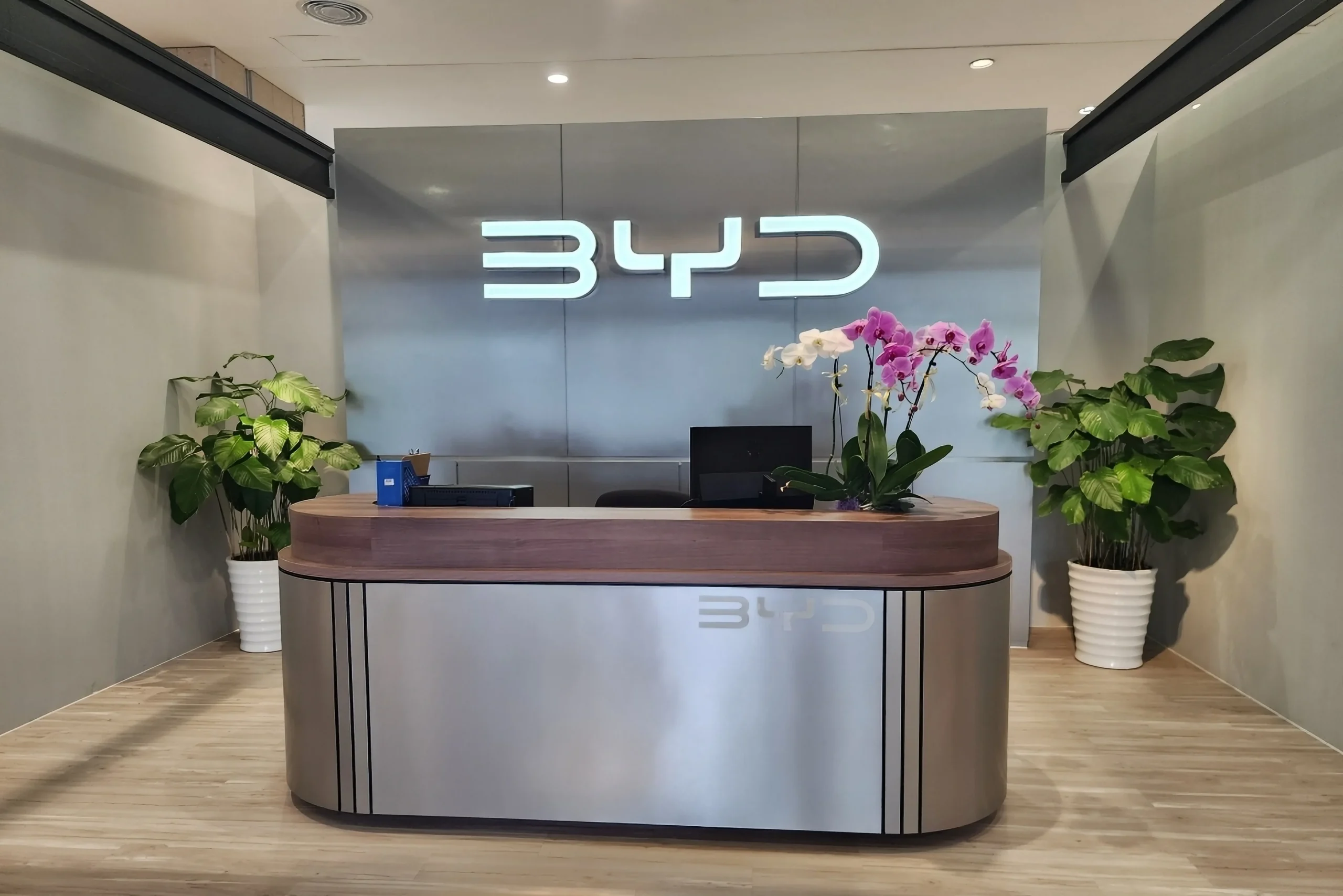
BYD is transforming its business model in Malaysia, moving beyond simple vehicle imports to establish a comprehensive local manufacturing hub. Despite new EV import rules, BYD reaffirms its long-term commitment to Malaysia, showing dedication to the automotive sector and electric vehicle growth. By investing heavily in a dedicated assembly plant, the company is ensuring that its popular models remain competitively priced and widely available, effectively turning a regulatory shift into a structural market advantage.
Turning Policy into Opportunity: BYD Localization Plan
Malaysia new National Automotive Policy (NAP) framework is designed to push the industry up the value chain. By recalibrating tax incentives, the government is shifting the focus from fully imported vehicles (CBU) to locally assembled ones (CKD). The policy explicitly favors companies willing to invest in domestic production facilities, creating a clear economic moat for manufacturers who commit to local assembly.
The Fine Print of the Import Rules
While the exact details of the import duty structure are complex, the core principle is straightforward: importing a completely built-up vehicle incurs a significantly higher tax burden compared to assembling one locally from knock-down kits. This delta in taxation is the primary lever the government is using to attract foreign direct investment into its automotive supply chain. For a manufacturer, the math quickly favors localization if the market volume is sufficient.
BYD Strategic Countermove
Rather than reducing its exposure to the Malaysian market or passing the increased costs to consumers, BYD has doubled down. The accelerated construction of its manufacturing facility in Beranang, Selangor, signals a deep commitment that goes far beyond normal import operations. This facility is designed to handle the full assembly of key models, allowing the company to navigate the new tax landscape with confidence.
The Economic Logic Behind Local EV Assembly
For a global automaker, the decision to establish local manufacturing is never taken lightly. It involves significant capital expenditure, complex supply chain development, and extensive workforce training. In BYD case, the move offers several distinct advantages that benefit both the company and the end consumer.
Price Stability and Market Penetration
One of the biggest barriers to EV adoption is price volatility, often caused by fluctuating currency exchange rates and sudden changes in import tariffs. Local assembly insulates BYD from these specific shocks. By importing vehicles in parts rather than whole, the company locks in a more favorable tax structure, allowing for consistent pricing that builds long-term consumer trust and accelerates market adoption.
Supply Chain Resilience
By establishing a robust local base, BYD can gradually onboard Malaysian component suppliers into its global network. This aligns perfectly with the government goal of creating a robust EV ecosystem. Furthermore, local production reduces the logistical vulnerabilities associated with congested global shipping lanes, ensuring a steadier supply of vehicles to dealerships.
Global Context: A Blueprint for Expansion
BYD strategy in Malaysia is remarkably consistent with its successful global playbook. From Thailand to Brazil to Hungary, the company has proactively built local factories in anticipation of, or in direct response to, local protectionist policies. This consistency proves that the company views localization not as a burden, but as the primary path to market leadership.
Lessons from Thailand and Indonesia
In Thailand, BYD quickly became a market leader by capitalizing on the government progressive EV 3.0 and 3.5 incentive schemes, which required a strict timeline for local assembly. Similarly, in Indonesia, the company committed to a massive manufacturing facility to qualify for import duty exemptions. The Malaysia playbook mirrors these successes, proving the model is scalable across diverse regulatory environments.
What This Means for the Global EV Market
The Malaysia case study proves that companies willing to engage deeply with local economic priorities can overcome regulatory barriers. This creates a competitive dynamic where the winners are not necessarily those who sell the most vehicles initially, but those who invest the most in local ecosystems. It sets a global precedent that long-term commitment is rewarded over short-term market access.
Expert Insight: When evaluating a brand long-term presence in a market, scrutinize its manufacturing footprint before its marketing budget. A dedicated assembly plant is a multi-million dollar, highly illiquid asset that cannot be easily abandoned. A brand that assembles locally is far more likely to maintain stable pricing, reliable parts supply, and high-quality service compared to one relying entirely on imports. This physical investment is the single strongest signal of genuine market confidence.
The Road Ahead for BYD and Malaysian EV Buyers
For Malaysian consumers, this commitment is excellent news. It means access to cutting-edge EV technology at stable price points, backed by a stronger local service infrastructure and faster parts availability. For the regional industry, it sets a precedent: proactive localization is the most effective strategy for navigating the complex world of automotive trade policy.
What is your take on BYD shift to local manufacturing? Do you think this aggressive localization strategy will accelerate EV adoption in Malaysia compared to other regional markets? Share your perspective in the comments below.
Frequently Asked Questions
Will the price of BYD cars in Malaysia drop due to local assembly?
Local assembly allows BYD to qualify for significant tax incentives that are not available for fully imported vehicles (CBU). While final pricing depends on many market factors, the CKD (Completely Knocked Down) production model generally allows for more competitive and stable pricing compared to the import model. The goal is to improve value for the customer while maintaining healthy margins.
What is the difference between CKD and CBU vehicles?
CBU (Completely Built Up) refers to a fully assembled vehicle imported from another country, which incurs higher import duties and taxes. CKD (Completely Knocked Down) involves importing the vehicle in parts and assembling it locally. CKD vehicles typically qualify for lower taxes because the importing nation captures the value-add of assembly and local labor.
Which other countries have similar EV import rules to Malaysia?
Many major economies use this model to nurture their local industries. India implements high import duties to encourage manufacturing. Thailand, Indonesia, and the Philippines in Southeast Asia have similar tiered incentive structures. In North America and Europe, local content requirements are used to qualify for consumer tax credits and avoid tariffs. This is a standard global industrial policy tool.
How soon will the BYD plant in Malaysia start operations?
BYD has accelerated the timeline for its Beranang facility in response to the policy changes. Local production is expected to ramp up in the near term, with the facility initially focusing on assembling the Atto 3, Dolphin, and Seal models to meet market demand and regulatory requirements for tax incentives.
Does this affect the warranty or service quality on BYD vehicles?
No. A vehicle assembled under strict BYD global quality standards retains the same comprehensive warranty and service benefits as any other market. In fact, local assembly often strengthens the after-sales network by ensuring a dedicated local parts warehouse and specialized technical training for Malaysian service centers.