Build A Rocket Boy Lays Off Two-Thirds of MindsEye Staff
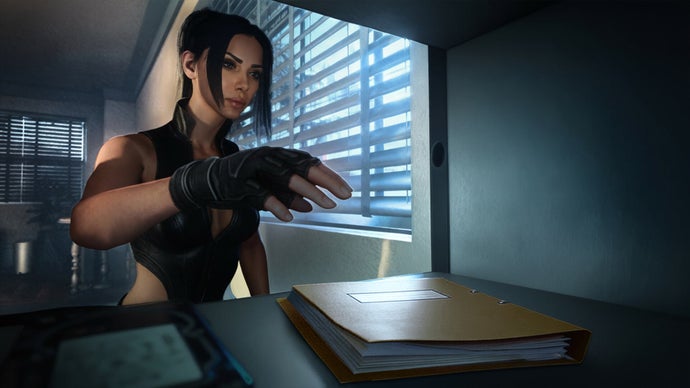
Mass layoffs have once again shaken the video game industry as Build A Rocket Boy reportedly dismissed the majority of its remaining workforce, sending shockwaves through development communities from Edinburgh to Los Angeles. Build A Rocket Boy cuts most MindsEye staff after sabotage mission. PS5, Xbox Series X/S, PC single player third person action adventure by IO Interactive devs. The drastic reduction, affecting roughly two-thirds of the approximately 250 employees still on payroll, raises serious questions about the future of one of the most ambitious upcoming titles in the action-adventure genre. For players worldwide awaiting its global launch on modern consoles and PC, this development shake-up signals potential turbulence ahead and forces a hard conversation about sustainability in veteran-led independent studios.
The Scale of Restructuring at Build A Rocket Boy
The Edinburgh-based studio, founded by former Rockstar North president Leslie Benzies, has undergone a dramatic contraction that few industry analysts predicted at this stage of the project. According to reports, the company eliminated around two-thirds of its remaining staff, translating to approximately 170 jobs lost in a single wave. This scale of reduction is not a routine fiscal adjustment or a targeted trimming of non-essential roles; it represents a fundamental dismantling of the primary team tasked with delivering a premium single-player experience across major platforms. When a studio cuts this deeply after releasing a specific mission, the action usually reflects a loss of publisher confidence or an exhaustion of development capital rather than a standard post-milestone restructuring.
From Industry Veterans to Mass Layoffs
Build A Rocket Boy attracted top-tier talent from renowned franchises including Grand Theft Auto and Hitman, creating an all-star roster that generated immediate global attention. The pedigree of the workforce made the studio a focal point for industry observers tracking veteran-led independent projects that aim to compete with major publishing houses. However, even decades of collective expertise at Rockstar and IO Interactive could not insulate the team from severe financial and operational pressures inherent in modern AAA development. The recent cuts suggest that pedigree alone cannot sustain a studio without consistent capital flow, disciplined scope management, and a clear path to commercial release within a reasonable timeframe.
What the Numbers Reveal
Reducing a headcount from roughly 250 to fewer than 90 employees effectively strips the studio of its primary production capacity and institutional knowledge. In global game development, such a downsizing typically precedes either a complete project cancellation, a hard pivot to outsourced asset production, or an indefinite delay that pushes launch years beyond the original target. For a AAA-scope title designed for PS5, Xbox Series X/S, and PC, maintaining visual fidelity, narrative cohesion, and systemic gameplay with a skeleton crew is exceptionally difficult, especially when competing against well-funded counterparts worldwide that continue to expand their teams.
Inside MindsEye and the Controversial Sabotage Mission
The layoffs coincide directly with the release of a sabotage mission tied to MindsEye, fueling widespread speculation that the content underperformed commercially or triggered a sudden loss of stakeholder confidence. While the exact internal metrics remain private, the timing indicates that leadership viewed the mission's reception as a tipping point rather than a celebratory milestone. For a narrative-driven third-person action adventure, any content release that fails to generate sufficient player engagement or revenue momentum can rapidly exhaust remaining development reserves and convince financiers to withdraw support. In an era where every mission serves as both a creative statement and a financial stress test, one underwhelming release can collapse an entire production schedule.
A Project Born from Rockstar and IO Interactive Pedigree
MindsEye was widely positioned as a return to cinematic, single-player storytelling led by developers who shaped modern stealth mechanics and open-world design philosophy. The involvement of IO Interactive veterans signaled an intention to deliver systemic gameplay, intricate level design, and meticulously crafted enemy encounters. Yet translating that heritage into a new intellectual property requires sustained investment across every department, from animation to quality assurance. When funding tightens, studios often cut content pipelines and outsource critical work first, which directly impacts the depth and polish players expect on PlayStation, Xbox, and PC platforms globally. The resulting product may carry the names of legendary creators while lacking the staffing required to execute their full vision.
Global Implications for the Single-Player Market
High-budget single-player campaigns face mounting scrutiny from investors who increasingly favor live-service revenue models with recurring microtransactions. The reduction at Build A Rocket Boy sends a chilling signal to independent studios worldwide attempting to revive traditional story-driven games without a multiplayer monetization backbone. If a team with this level of experience and brand recognition cannot secure a stable multi-year runway, smaller studios operating in North America, Europe, and Asia face even steeper financing odds. The outcome could influence publisher willingness to fund comparable narrative projects for console and PC audiences, potentially narrowing the market for standalone action adventures in the coming generation.
Industry Insight: Navigating Development Uncertainty
Pro Tip: For studios and developers worldwide, this situation underscores the importance of maintaining modular production pipelines and milestone-based funding agreements. Diversifying your portfolio across multiple smaller projects rather than banking everything on one high-risk flagship can provide the financial buffer needed to survive a single content underperformance. Always negotiate contract terms that protect core staff during content delivery phases, and never rely on one publisher demo or vertical slice to secure long-term payroll. Build relationships with multiple platform holders to reduce dependency on a single revenue stream.
What This Means for Players on PS5, Xbox, and PC
Consumers waiting for MindsEye must now carefully weigh the risks of supporting a project in active crisis. A reduced workforce typically translates to longer update cycles, diminished post-launch support, and potential compromises in visual polish, artificial intelligence behaviors, or narrative scope. While the core game may still eventually ship, the version that reaches global markets might differ significantly from the original vision promised during early reveals and marketing campaigns. Players should approach any new trailers or screenshots with measured expectations, understanding that the team responsible for realizing those assets may no longer be employed at the studio.
Development Roadmap Uncertainty
With the majority of the development team gone, completing the remaining campaign content and optimizing performance across diverse hardware variants becomes exponentially harder. Studios in crisis often rush to meet minimum viable product standards, which can result in unstable frame rates, reduced texture fidelity, truncated story arcs, or unpolished combat mechanics. Players should monitor official channels for delay announcements rather than assuming the previously communicated launch window remains intact. History shows that games surviving similar cuts often require an additional twelve to twenty-four months to reach acceptable commercial quality.
Pre-Orders and Early Access Risks
Gamers across all regions should exercise extreme caution when considering pre-orders or early access purchases for titles experiencing internal turmoil of this magnitude. Without a full team to address day-one patches, optimization issues, or post-release downloadable content, the long-term value proposition diminishes rapidly. This advice applies universally, whether you are purchasing from digital storefronts in the United States, European Union, or Asian markets. Waiting for verified independent reviews, raw gameplay footage, and confirmed retail availability remains the safest strategy for protecting your investment and ensuring the final product meets modern platform standards.
Red Flags to Monitor
Before committing to a purchase, players worldwide should watch for these common indicators of troubled development:
- Unexplained silence from community managers across global social channels.
- Removal of previously listed features from official platform stores.
- Reports of senior designers and directors departing for other studios.
- Delayed press previews without updated embargo dates or review codes.
Frequently Asked Questions
What platforms will MindsEye support?
MindsEye is currently planned for release on PlayStation 5, Xbox Series X/S, and PC, targeting a global audience with a single-player third-person action-adventure format.
Who are the key developers behind Build A Rocket Boy?
The studio was founded by Leslie Benzies, former president of Rockstar North, and employs veterans from Rockstar and IO Interactive, the latter known for the Hitman franchise.
Why did Build A Rocket Boy lay off so many staff?
Reports indicate the layoffs followed the release of a sabotage mission for MindsEye, suggesting the content failed to meet internal or investor expectations, triggering severe cost-cutting measures.
Is MindsEye canceled?
As of now, there has been no official cancellation announcement. However, the reduction of roughly two-thirds of the workforce places the project in a precarious position and increases the likelihood of significant delays or scaled-back scope.
Should players still anticipate a full AAA experience?
Given the staff reductions, delivering a full-scope AAA experience on schedule is unlikely. Players should temper expectations and wait for concrete updates regarding feature completeness and release timing.
Final Assessment
The situation at Build A Rocket Boy serves as a stark reminder that even studios staffed by legendary developers are not immune to the harsh financial realities of modern game production. While MindsEye may still eventually reach consoles and computers worldwide, the recent layoffs fundamentally alter its trajectory and place enormous pressure on the remaining skeleton crew. Gamers and industry professionals alike should watch closely as the studio attempts to salvage the project with a fraction of its original brain trust. Share your thoughts in the comments on how this restructuring might impact the final game, and let us know if you plan to wait for comprehensive reviews before adding this title to your library.