Xbox CEO Scraps Copilot for Gaming to Refocus on AI
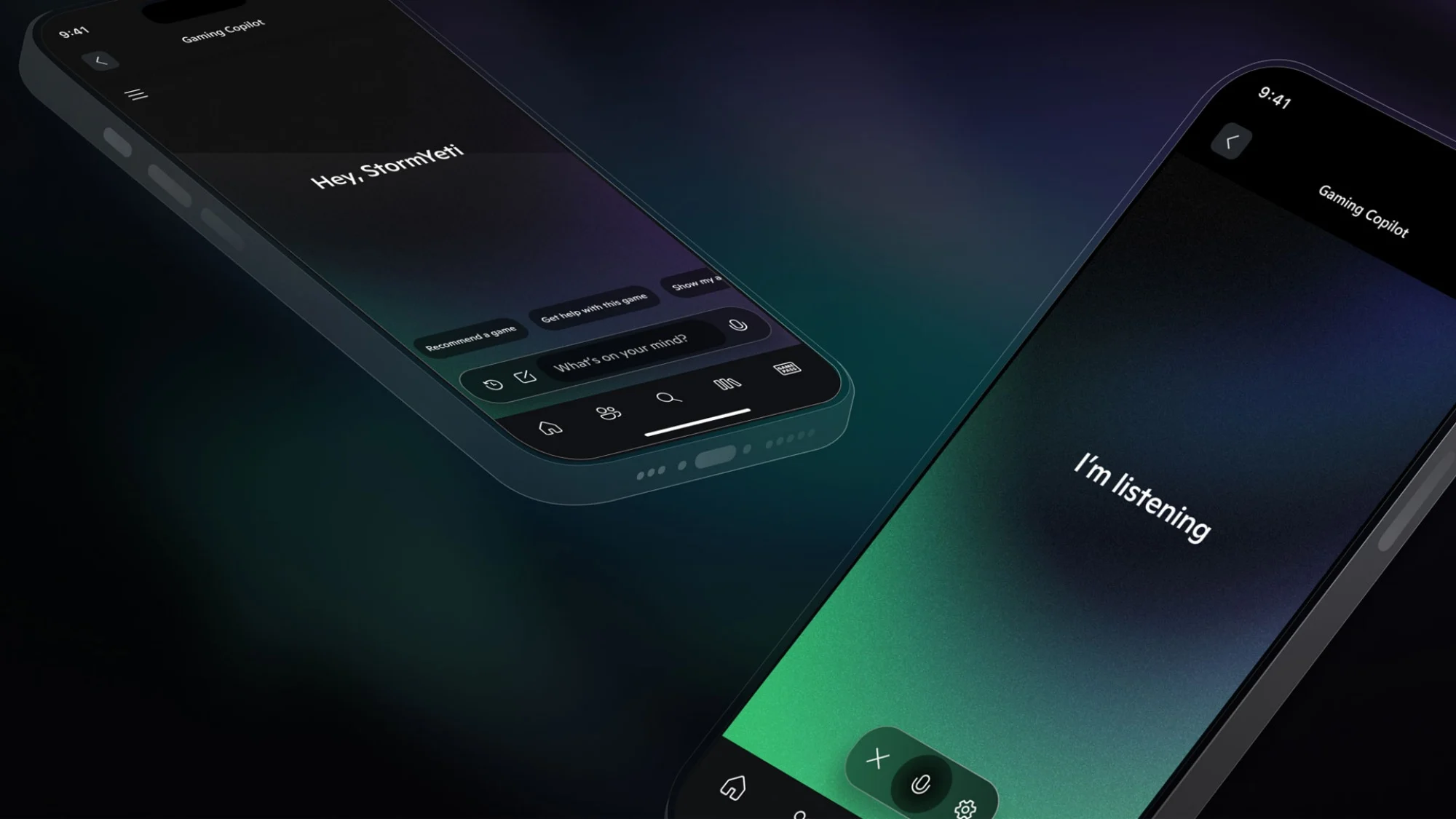
Microsoft Gaming leadership has terminated the Copilot for Gaming project in a calculated move to consolidate artificial intelligence efforts across the Xbox ecosystem. Xbox scraps Copilot for Gaming to refocus on Artificial Intelligence. Discover how this major shift could reshape Gaming and what it means for AI at Xbox. Rather than maintaining a standalone assistant interface for players, the organization is funneling those resources into backend machine learning frameworks, generative tooling for creators, and adaptive cloud systems that serve diverse gaming markets from North America to Southeast Asia. This reversal signals a maturation of Xbox’s AI strategy, prioritizing scalable infrastructure over surface-level consumer features while ensuring that both players and developers receive tangible performance benefits regardless of regional connectivity or hardware generation.
The Strategic Decision to Shelve Copilot for Gaming
Reassessing Consumer-Facing AI Assistants
The Copilot for Gaming concept positioned an AI companion at the center of the player experience, offering real-time tips, walkthrough assistance, and conversational support directly on console and PC. While technically functional during internal previews, the feature failed to demonstrate enough distinct value to justify its ongoing engineering overhead. Leadership concluded that a generalized assistant added marginal utility for core gamers who already rely on established communities, wikis, and streamlined user interfaces. By removing this redundant layer, Xbox eliminates an unnecessary touchpoint and reduces interface complexity for users across varying broadband environments, controller schemes, and hardware configurations. The change also simplifies the software update cycle, allowing quality assurance teams to focus on stability and security rather than maintaining an auxiliary conversational layer.
Resource Reallocation and Cost Efficiency
Maintaining a large language model consumer frontend demands continuous training, localization, and safety moderation. For a global platform supporting dozens of languages and regional content standards, those costs scale rapidly. The decision to shutter the project allows Microsoft to redistribute that budget toward AI research with broader applications, including automated quality assurance, neural rendering research, and personalized recommendation engines. These backend investments offer universal compatibility, functioning regardless of whether a player uses a flagship console, a budget-friendly Series S, or cloud streaming via mobile devices in emerging markets. The financial reallocation further supports long-term sustainability, ensuring that AI-driven improvements do not depend on subscription premiums or regional price adjustments that could alienate price-sensitive audiences.
Where Xbox Is Redirecting Its AI Investments
Empowering Developers With Generative Tooling
One immediate beneficiary of the strategic shift is Xbox’s first-party and third-party developer ecosystem. The company is reportedly channeling former Copilot for Gaming engineers into teams building generative AI pipelines for asset creation, dialogue systems, and procedural world generation. These tools reduce development cycles for studios of all sizes, from major publishers to independent creators operating in emerging markets. By embedding AI earlier in the production chain, Xbox aims to lower the barrier to entry for global talent while maintaining rigorous content standards and intellectual property protections. Studios can now produce localized voiceovers, scalable texture libraries, and dynamic quest architectures without hiring massive regional teams, effectively democratizing high-fidelity game production across continents.
Cloud Optimization and Adaptive Gameplay
Beyond development kits, the refocused AI division is targeting Xbox Cloud Gaming infrastructure. Machine learning models now govern dynamic resolution scaling, predictive input buffering, and server load distribution across Microsoft’s regional data centers. The result is a smoother streaming experience for players in areas with inconsistent network infrastructure, ensuring that high-fidelity gaming remains accessible without requiring expensive local hardware upgrades. This infrastructure-first approach aligns with Xbox’s long-term vision of platform agnosticism, where the value lies in the service rather than the device.
Implications for the Global Gaming Landscape
The cancellation of Copilot for Gaming does not indicate retreat from artificial intelligence. Instead, it reflects an industry-wide recalibration as platform holders recognize that AI’s most transformative role may reside in invisible systems rather than visible chatbots. Xbox’s redirected strategy will likely materialize across several key areas:
- Automated Quality Assurance: Machine learning models that detect bugs and performance anomalies across diverse hardware configurations before public release.
- Live-Service Moderation: Real-time toxicity detection and adaptive community management that functions across multiple languages and cultural contexts.
- Dynamic Difficulty Adjustment: Algorithmic balancing that preserves player engagement without requiring manual patching across regional servers.
- Cloud Latency Reduction: Predictive networking AI that optimizes streaming performance for users on variable mobile and fixed-line connections worldwide.
Competitors across the console and PC markets are investigating similar backend applications, but Xbox’s move positions its ecosystem to deliver these capabilities as universal platform standards rather than isolated add-ons.
Pro Tip: Developers and players evaluating next-generation platforms should prioritize ecosystems that invest in server-side AI and developer tooling over flashy assistant demos. Sustainable innovation in gaming AI will emerge from pipeline efficiency and network optimization, not from conversational overlays that duplicate existing community knowledge.
Frequently Asked Questions
What exactly was Copilot for Gaming?
Copilot for Gaming was an experimental AI assistant designed to operate within the Xbox environment, offering players real-time guidance, conversational help, and system navigation support. It functioned similarly to other Copilot-branded Microsoft assistants but was tailored specifically for gaming contexts and interactions.
Why did Xbox leadership cancel the project?
The project was discontinued because it did not deliver sufficient unique value to players relative to its operational cost. Xbox leadership determined that reallocating those AI resources toward backend infrastructure, developer tools, and cloud optimization would generate broader, longer-term benefits for the global gaming community.
Will Xbox continue to use artificial intelligence in future products?
Yes. Xbox remains committed to artificial intelligence, but with a focus on platform-level integration rather than standalone consumer assistants. Future applications include generative development tools, adaptive cloud streaming, automated moderation, and personalized content discovery systems.
How does this change impact independent developers?
Independent developers stand to benefit from Xbox’s redirected AI investments. By focusing on generative tooling and automated testing pipelines, Microsoft aims to provide smaller studios with enterprise-grade capabilities that reduce production costs and accelerate time-to-market across international storefronts.
Is this part of a broader shift within Microsoft’s AI strategy?
The cancellation reflects a pragmatic consolidation common across large technology organizations. Microsoft continues to advance AI aggressively through Azure, Copilot for productivity, and research divisions, but individual business units like Xbox are optimizing their roadmaps to ensure gaming-specific AI investments align with core platform growth and global scalability.
Conclusion
The decision to shut down Copilot for Gaming represents a mature, infrastructure-oriented evolution of Xbox’s artificial intelligence strategy. By abandoning a high-maintenance consumer assistant in favor of developer tooling, cloud optimization, and platform-level machine learning, Microsoft Gaming is betting on systemic improvement over superficial features. For players and creators worldwide, this refocus promises more stable services, faster development cycles, and adaptive technologies that work across diverse network conditions and hardware tiers. Share your perspective in the comments below: do you prefer invisible AI optimizations, or would you rather have a visible digital assistant while you play?